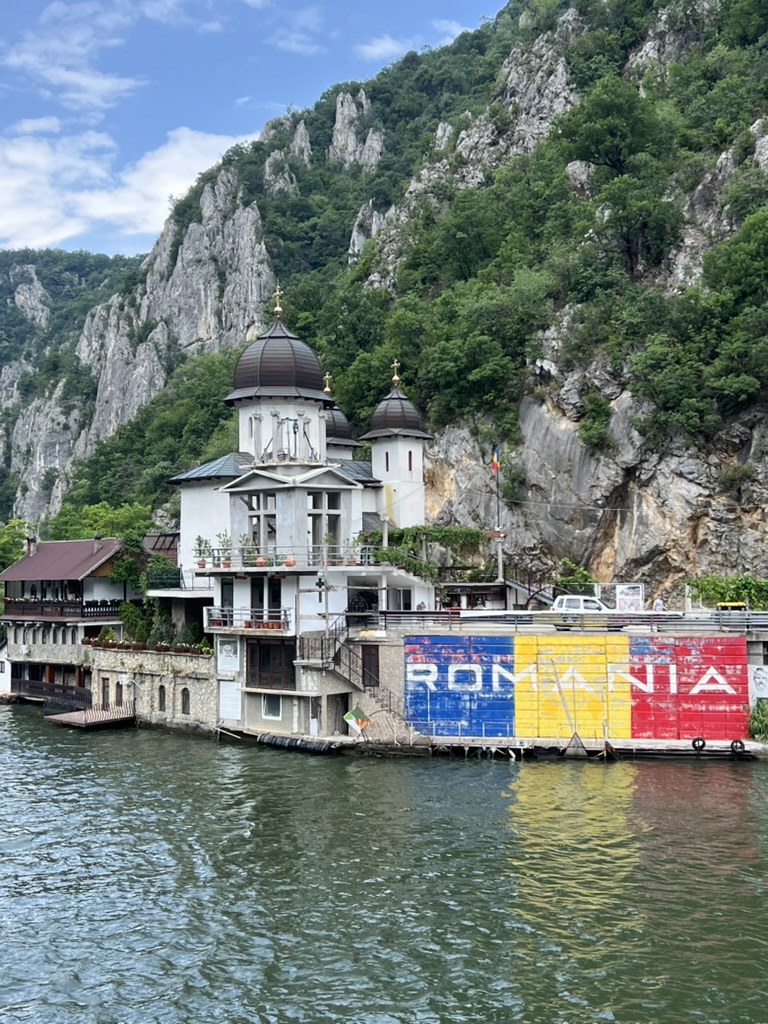
Travel advisor Grace Wong set sail on Avalon Waterways' lower Danube itinerary expecting history and came home with something she never anticipated: a deep, lasting connection to the people who live it every day.
At a Glance
The lower Danube from Oltenița to Budapest remains one of Europe's genuinely undiscovered corridors, offering developed, historically layered cities like Bucharest, Brașov, and Budapest without the crowds of Western Europe. Travelers encounter unexpected urban sophistication, genuine local warmth, and cultural immersion that river cruises uniquely enable through their unhurried pace and city-center docking.
Most North Americans could not point to Oltenița on a map. Fewer still have walked the cobblestone streets of Brașov or watched the Danube slide past riverbanks that carry centuries of complicated, layered history. That is precisely the point. When travel advisor Grace Wong boarded an Avalon Waterways river cruise on the lower Danube, sailing from Oltenița to Budapest with a pre-cruise stay in Bucharest and Brașov, she was stepping into one of Europe's last genuinely undiscovered corridors. What she found there reshaped not only her understanding of Eastern Europe, but her entire philosophy as a travel professional.
She Expected History. She Didn't Expect This.
Wong will tell anyone who asks that the single most memorable thing about the lower Danube was not an ancient fortress, not a sweeping river vista, and not a candlelit dinner aboard the ship. It was the people. "How friendly the people were in the countries and cities that we visited," she says, the observation still carrying a warmth that no amount of professional distance can flatten. In a region that many Western travelers associate primarily with Cold War imagery and post-communist struggle, it was human generosity that left the deepest mark. Locals across Romania and Hungary welcomed her with an openness that felt neither performed nor curated for tourists. It felt genuine, because it was.
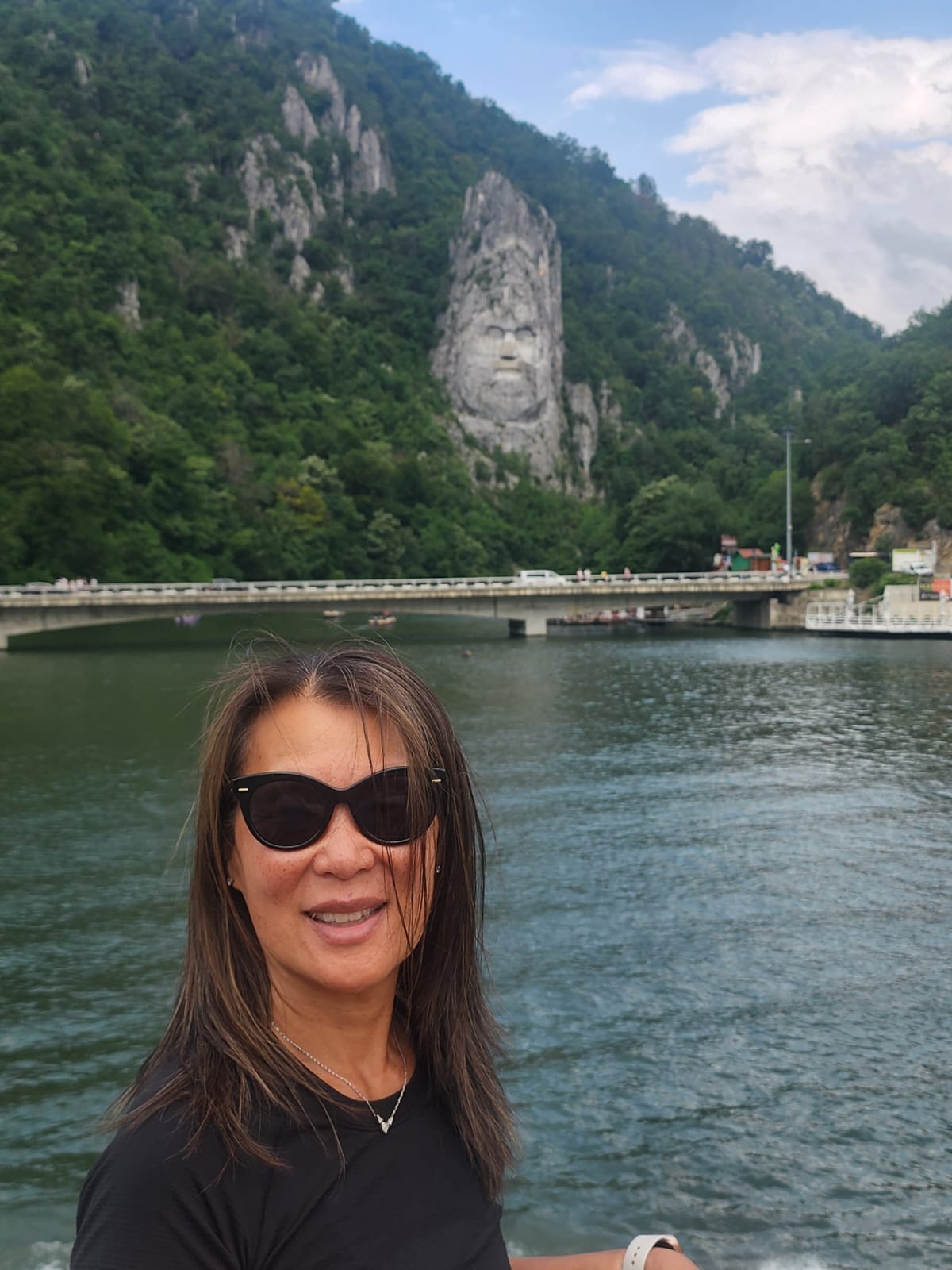
That warmth becomes even more striking when set against the backdrop of what these countries have endured within living memory. Which brings Wong to the thing that surprised her most.
What She Got Completely Wrong About Eastern Europe
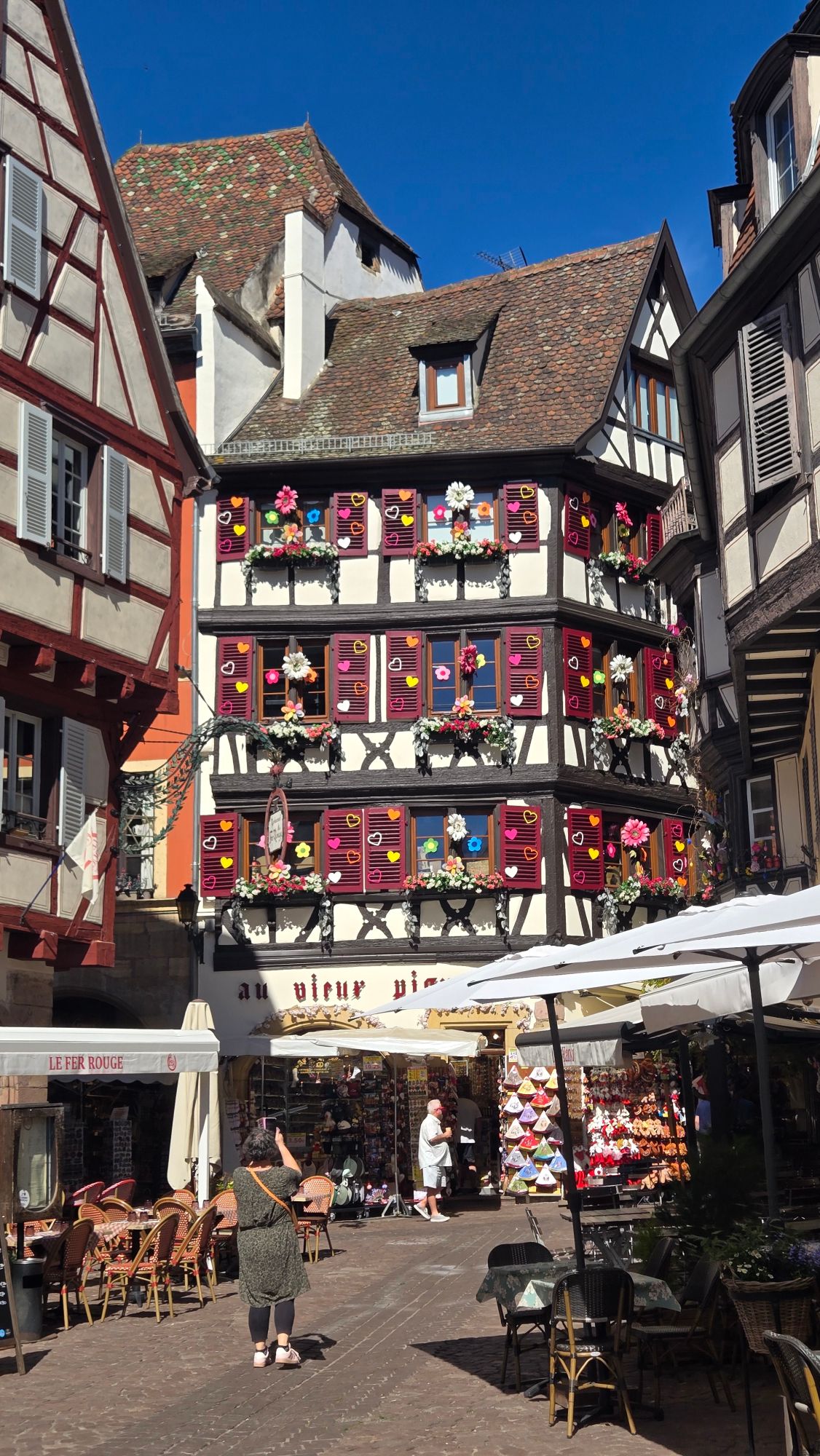
Wong arrived with the assumptions that many North American travelers carry, quietly and often unconsciously, about the former Eastern Bloc. She left those assumptions on the riverbank. What genuinely caught her off guard was "how developed these cities that we visited despite recent history." The urban sophistication she encountered, the infrastructure, the architecture, the cultural life visible in the streets of Bucharest, Brașov, and Budapest, simply did not match the outdated mental picture she had carried into the trip. It was one of those rare travel moments where reality does not just meet expectation but dismantles it entirely and builds something richer in its place.
This is the kind of recalibration that only happens when a travel professional does the work of actually going. No brochure, no supplier webinar, and no destination guide could have delivered this particular lesson. It had to be lived.
Europe Before the Crowds Find It
If there is a single insight from Wong's Danube journey that carries the most weight for travelers exhausted by the shoulder-to-shoulder queues of Paris and Venice, it is this: the lower Danube is still uncrowded. Wong is clear-eyed about what that means and how rare it is. "It's very undiscovered, not crowded at all like other European cities," she says. "Most North Americans have not been to these cities that we visited on this cruise." That is not a minor footnote. In an era when overtourism has fundamentally altered the experience of traveling through much of Western Europe, finding a region of magnificent, developed, historically layered cities that has not yet been absorbed into the mainstream travel circuit is something close to extraordinary.
Wong now positions herself as a specialist in exactly this kind of access, knowing a destination before the crowds do, and being able to match the right clients to it before the window of discovery closes.
Who This Trip Is For — and Who Should Skip It
Part of what distinguishes a great travel advisor from a booking engine is the willingness to say, honestly, that a particular trip is not right for everyone. Wong does this without hesitation. The lower Danube itinerary is made for travelers who want to see undiscovered places, who love history, and who are drawn to the idea of magnificent, sophisticated cities that most of their friends and family have never visited. It is an experience built for curiosity and a genuine appetite for cultural immersion.
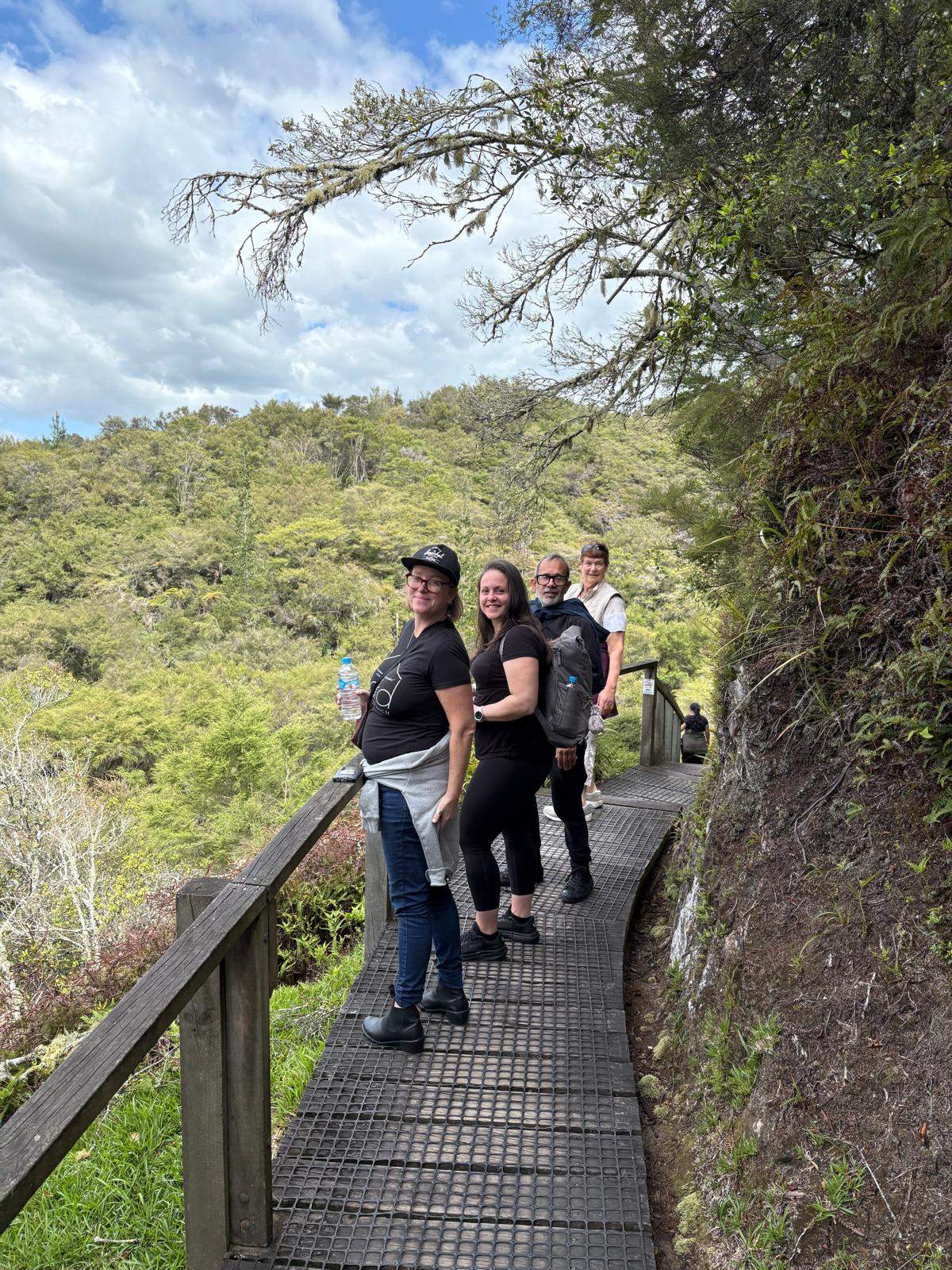
But Wong is equally direct about who should look elsewhere. Those who cannot manage longer walks, hikes, and cobblestone streets will find the itinerary physically demanding in ways that could overshadow the experience. It is not a limitation of the destination so much as a reality of it, and knowing this before booking protects the client's investment and their enjoyment.
The Insider Detail That Only Experience Can Give You
There is one piece of practical intelligence that Wong passes on to every client now considering this route, and it is the kind of tip that only comes from having actually done the trip. "Take the time to do the pre-cruise as the port is not easy to get to," she says. Oltenița is not a city with the transport connections of a major European hub. Arriving without the buffer of a pre-cruise extension in Bucharest and Brașov is a logistical gamble that adds unnecessary stress to what should be a seamless embarkation. Those pre-cruise days also happen to be revelatory in their own right, offering a window into Romania that many river cruise passengers never see. The advice is equal parts practical and experiential: slow down, arrive early, and let the destination begin before the ship does.
A Philosophy Built on the River
Wong returned from the lower Danube with more than photographs and memories. She returned with a professional conviction. "River cruises immerse you into the history, culture of the destination," she says, and the simplicity of the statement belies how thoroughly she means it. The river cruise format, with its unhurried pace, its intimate scale, and its habit of docking in city centers rather than distant ports, creates a kind of access to place that flying between hotels simply cannot replicate. For clients who want to learn about history and culture in a meaningful, felt way, rather than simply passing through it, Wong now knows exactly what to recommend.
It is a philosophy that is already shaping her next journey. Wong has her sights set on a river cruise along the Mekong, a choice that signals not a pivot but a deepening commitment. The lower Danube did not just show her a destination. It showed her a way of traveling that she intends to keep exploring, and to keep sharing with every client who is ready to discover the world before the rest of the world catches up.