When travel advisor Edward Vanstone traded his desk for a Tuscan villa and two months on the open road with his wife and newborn, he discovered that Italy's most unforgettable moments rarely appear on any itinerary.
At a Glance
Italy rewards travellers who prioritize depth over breadth, exploring one region thoroughly rather than rushing between cities. Travel advisor Edward Vanstone's two-month Tuscan sabbatical revealed that the country's greatest gift—overwhelming history, regional food culture, and unexpected moments—emerges only when visitors loosen their itinerary grip and embrace spontaneity.
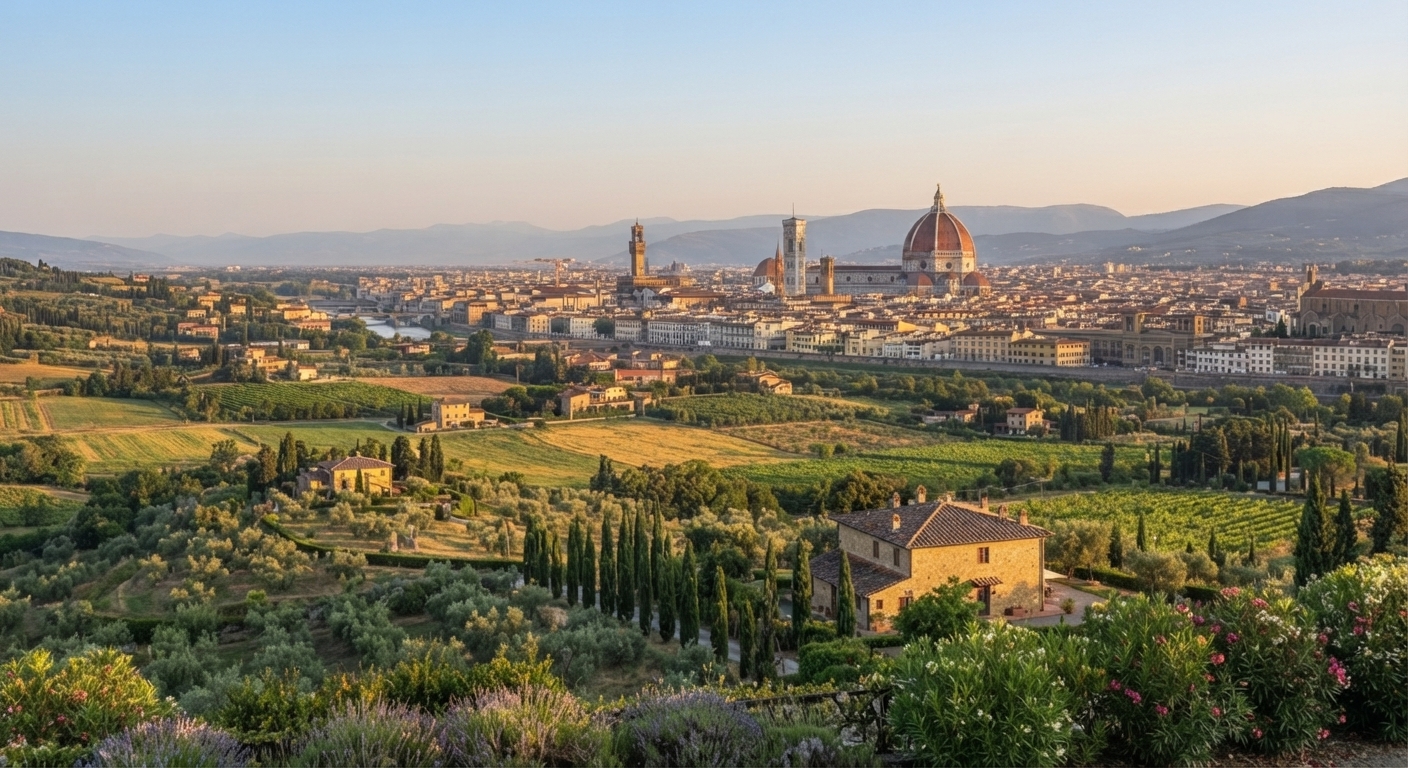
There are trips you plan, and then there are trips that plan you. For Edward Vanstone, a seasoned travel advisor, the latter arrived in the shape of a rented villa, a manual-transmission car, and nearly two months of open Italian road stretching out ahead of him, his wife, and their newborn son. It was not a fam trip or a group tour. It was a sabbatical, born of new parenthood and a shared decision to step entirely outside the rhythm of ordinary life.
The timing was deliberate. His wife was still on maternity leave. Vanstone had stepped back from work. Together, they chose Italy, not for a highlight reel of major cities, but for something slower and more immersive. They based themselves in Tuscany, rented a car, and began to explore. What followed was one of the most formative travel experiences of Vanstone's career, not because everything went smoothly, but precisely because it did not.
A Country That Feeds You, Body and Soul
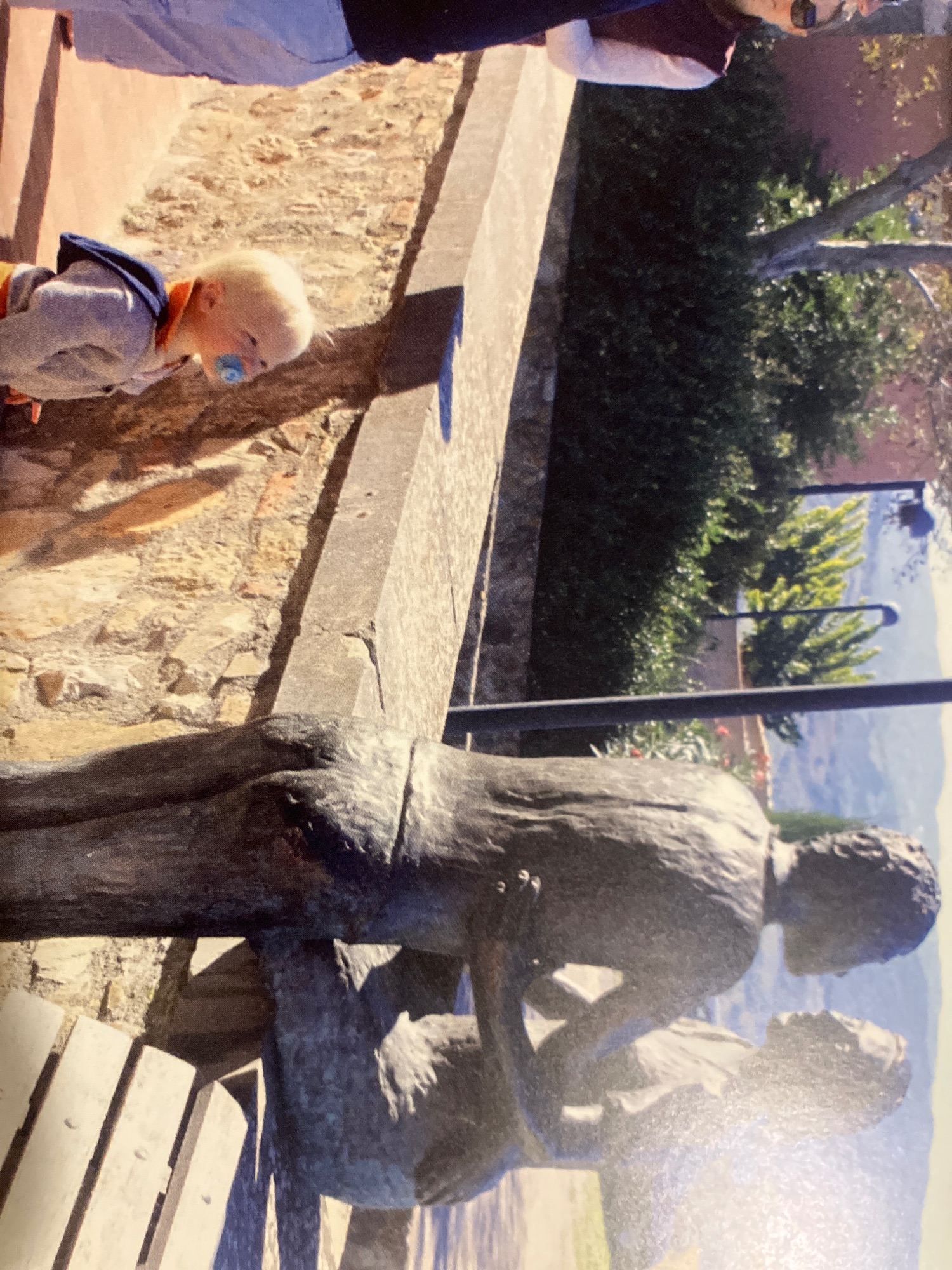
For Vanstone, a self-described foodie, Italy announced itself first through its food. Not in any single landmark restaurant, but in the accumulation of small villages, each with its own regional devotion to cheese, wine, pasta, olives, and tomatoes. He describes moving through these towns as a kind of edible education, one where every few kilometres brought a new local specialty and a new reason to linger at the table. "Food for Italy and Italians is passion," Vanstone says. "When you're there and experiencing it, it's undeniable, the passion that they have for it. And to be able to experience and live it yourself is really very special."
That passion, he notes, is not performative. It exists in the way a local describes the origin of a particular olive oil, in the pride behind a bowl of hand-rolled pasta, in the insistence that the wine in this valley is different from the wine in the next. For a travel advisor, these are not just charming details. They are the raw material of deeply personal client recommendations, the kind that no brochure can manufacture.
Learning to Drive, the Italian Way
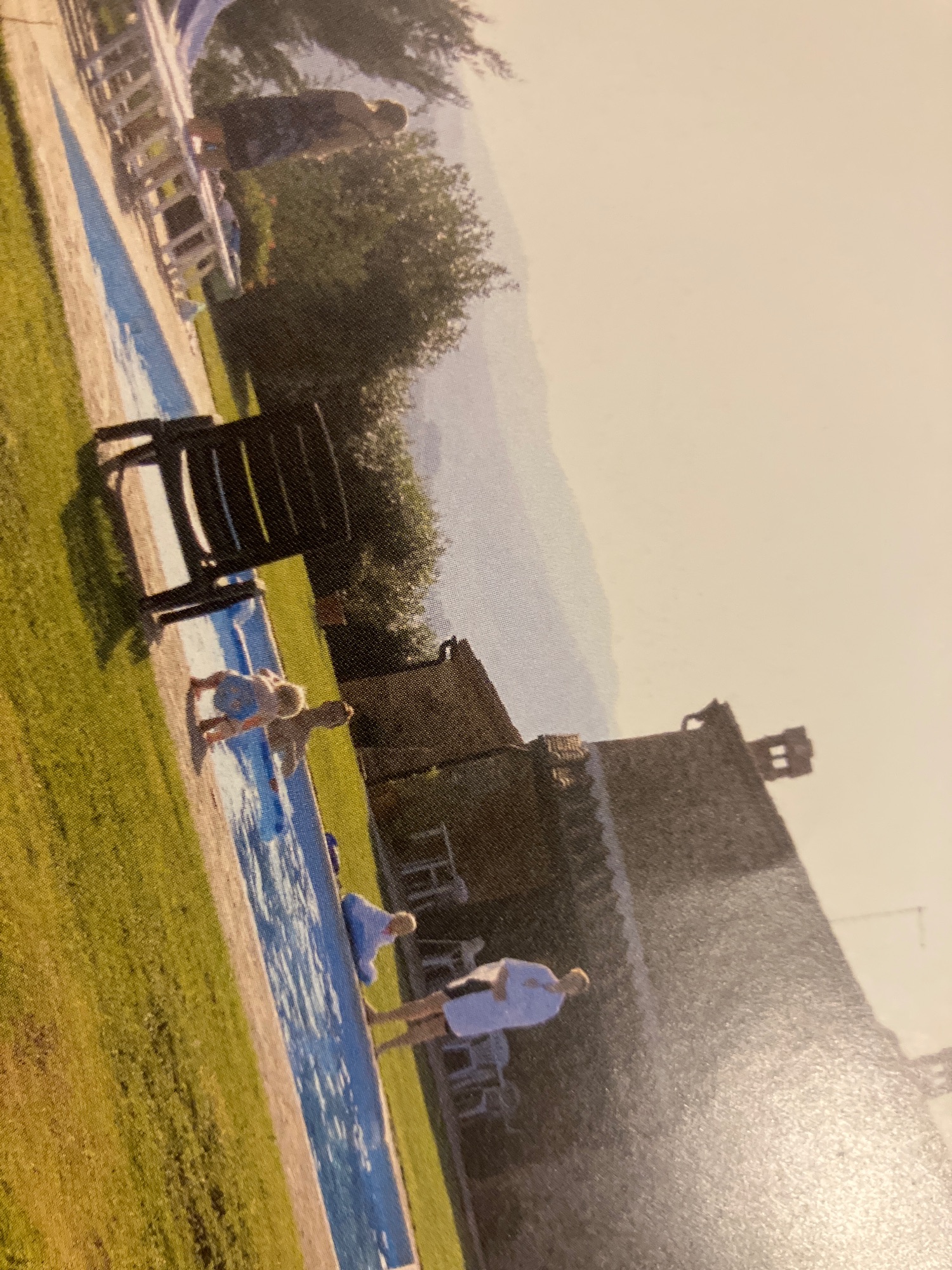
Not every revelation arrived at the dinner table. Some came at speed, on roads that twisted through hillsides and climbed through elevation changes that demanded full concentration. Vanstone had opted to self-drive the countryside, a decision that came with consequences he had not fully anticipated. "I learned how to drive standard in Italy, which I would not recommend to anyone to try and learn while you go," he admits with characteristic candour. "The drives are beautiful and breathtaking, but certainly not relaxing, and the Italians love to drive, and you kind of have to learn to love to drive to navigate the roadways there."
Beyond the driving style of locals, he encountered genuine infrastructure challenges: washouts, unexpected road closures, and routes that required patience and adaptability. For clients planning a self-drive itinerary through the Italian countryside, Vanstone now speaks from hard-won experience. He knows which expectations to set, which contingencies to build in, and why flexibility is not just a travel philosophy in Italy but a practical necessity.
History Hiding in Plain Sight
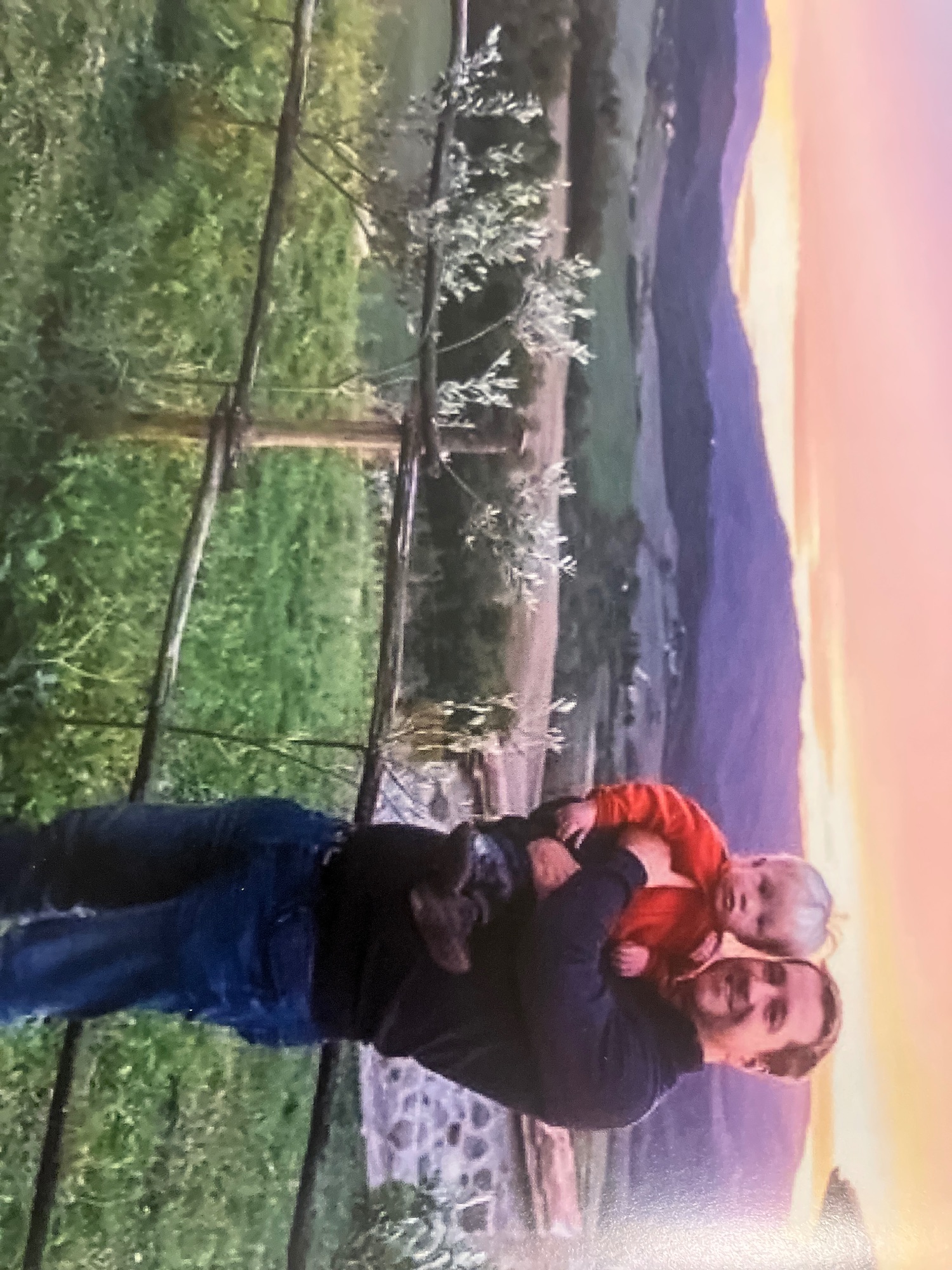
One of the surprises that stayed with Vanstone was the sheer weight of history beyond the obvious drawcards of Rome and Florence. He had expected grandeur in the major cities. What he had not expected was to find it in nearly every small town he passed through, in the architecture, in the people, in the stories embedded in stone walls that had been standing for centuries. "The amount of history in the towns all throughout Italy was really mind-blowing to experience," he recalls. "It's everywhere, all around you, and it's really almost overwhelming how much there is to see and do there."
That sense of overwhelm, he has since come to understand, is both Italy's greatest gift and its most common travel trap. The country is bigger than most visitors expect, and its depth of culture and history is inexhaustible. It is a lesson that has fundamentally changed how Vanstone structures Italian itineraries for his clients.
The Walled City and the Superheroes
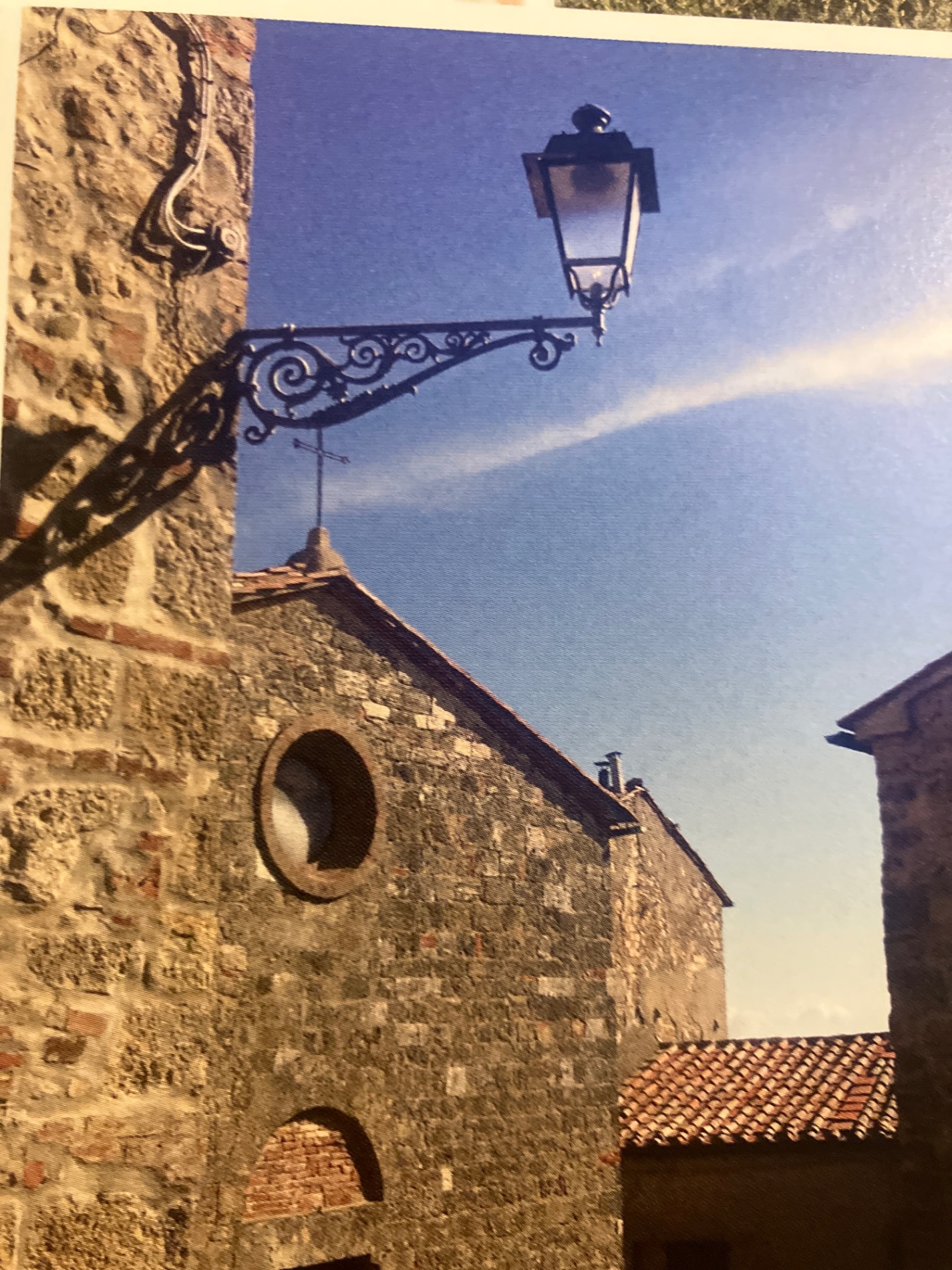
The trip's most extraordinary moment arrived, as the best ones often do, entirely unplanned. Passing through on the way from one destination to another, Vanstone and his wife made a spontaneous detour into Lucca, a medieval walled city in Tuscany that had not featured prominently in their plans. What they found inside those ancient walls stopped them in their tracks.
"There was this Comic Con convention going on, and all around this walled city were these thousands of people dressed up as comic characters and superheroes," Vanstone says. "And that intertwined with the Roman architecture was really kind of like one of the most surreal experiences I've ever had travelling. It was such a unique and fun day. Had we not just sort of gone into the city to see what we'd find, we never would have had that experience." The image lingers: Stormtroopers against stone arches, costumed revellers filling streets that have echoed with footsteps for two thousand years. It was absurd, joyful, and completely unforgettable.
For Vanstone, the Lucca moment crystallized something he had been feeling throughout the trip. Italy rewards the traveller who loosens the grip on the itinerary. "The biggest lesson that Italy offers travellers is sometimes it's good to not over plan and be prepared for the unexpected," he says. It is a lesson he now carries directly into his work with clients.
Less Is More, and More Is Italy
Two months in Italy, covering only the northern half of the country, gave Vanstone a perspective that reshapes how he approaches the destination professionally. He is direct about the most common mistake he sees: "I think one of the biggest mistakes with Italy is trying to bite off too much." His advice now is built around depth over breadth, choosing one region and knowing it well rather than racing between cities in an attempt to see everything.
He reaches for a culinary analogy that feels entirely appropriate for a country that lives through its food. He notes that Italians talk about simple ingredients and simple food, and when you really focus on quality ingredients and let those simple, quality ingredients shine, that is when you get the best dishes. The same principle, he believes, applies to the travel itself. One area, explored with patience and curiosity, will deliver more than five cities skimmed in a fortnight. Italy is not one trip, he suggests. It is five or six, each one peeling back another layer of a country that never quite reveals itself all at once.
His insider guidance for those heading there is equally straightforward: learn to get lost. Not carelessly, but intentionally. Stop at a village that appears between point A and point B. Follow a road that looks interesting. Trust that Italy, more than almost anywhere else he has travelled, delivers when you go off the beaten path.
The Advisor Who Has Lived It
What makes Vanstone's Italy expertise different from that of an advisor who has studied the destination is precisely what cannot be studied: the feel of winding Tuscan roads under tires, the taste of a wine that belongs only to the valley where it was made, the surreal delight of finding a medieval city hosting a comic book convention on a random afternoon. These are the details that no amount of research replicates, and they are the foundation on which he now builds every Italian itinerary he designs for clients.
He is already looking forward to new chapters, both personally and professionally. With a second child now added to the family and both kids growing older, Vanstone has his sights set on Indonesia, a return to Asia with a family ready to absorb a different kind of cultural world entirely. As he puts it, he is "very excited to sort of get out there and do that with them, now that the kids are a bit older and can sort of see a different cultural space like that." The sabbatical that made him a better traveller is now shaping how he travels as a father, and the openness to the unexpected that Italy taught him will, without question, make the journey richer for everyone along for the ride.