When travel advisor Aaron Devine set off through Rome, Florence, Spoleto, and Assisi on his own, he returned not just with memories, but with the kind of hard-won perspective that no training manual can teach.
At a Glance
Central Italy, particularly towns like Spoleto, rewards experienced culture-seekers who prioritize depth over efficiency. The region's ancient cobblestone streets, authentic cuisine, and deliberate pace offer travelers a recalibrated sense of scale and intentionality that differs markedly from North American expectations and tourist-heavy destinations.
There is a particular kind of education that only travel itself can provide. For Aaron Devine, a travel advisor with nine years of experience helping clients navigate the world's most coveted destinations, that education arrived on the cobblestoned streets of central Italy. It was a trip he planned himself, booked himself, and navigated himself, complete with the flight connections, hotel logistics, language barriers, and the quiet, humbling moments in between. It changed him, and it changed the way he works.
The Road to Rome, and Beyond
Devine's Italian itinerary was not the kind packaged for first-timers chasing the most famous landmarks. He moved through Rome, Florence, Assisi, and Spoleto, tracing a route through the beating heart of central Italy. It was, by any measure, real Italy. The kind that rewards patience, curiosity, and a willingness to get slightly lost. He booked every element himself, and that decision turned out to be the whole point.
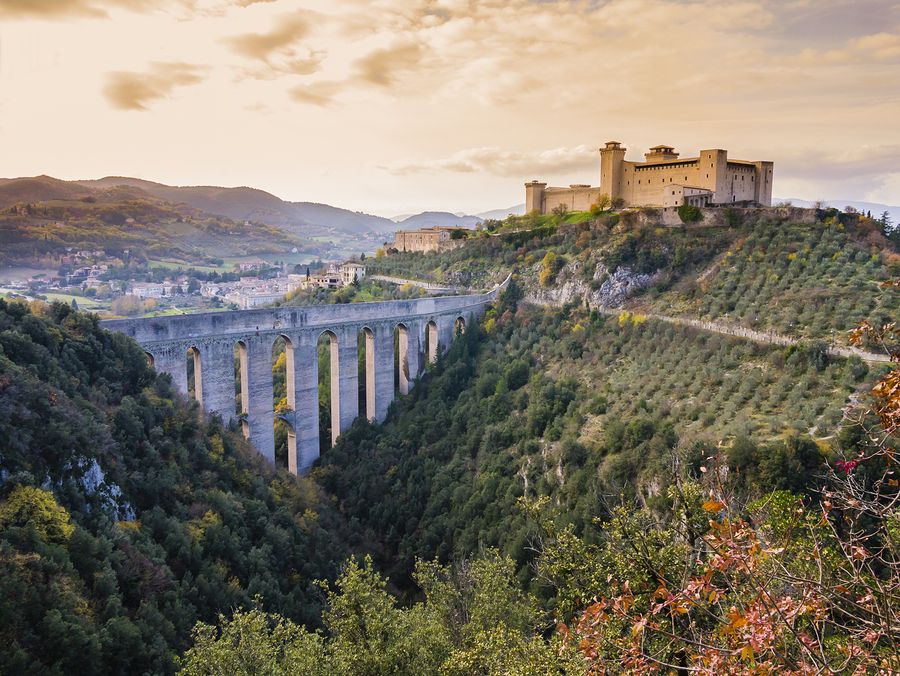
Navigating the trip independently required, as Devine puts it, "a lot of navigation with flights, with hotels, with getting from one place to another, language barrier, and all those things." Rather than viewing the complexity as a burden, he recognized it as a gift. Every friction point became a data point. Every workaround became a future piece of advice. "My being there allowed me to realize what it would take to advise other people on what they need to do when they're trying to get to these places," he says. It is a deceptively simple insight, and a profoundly practical one.
Spoleto: Where History Stands Still
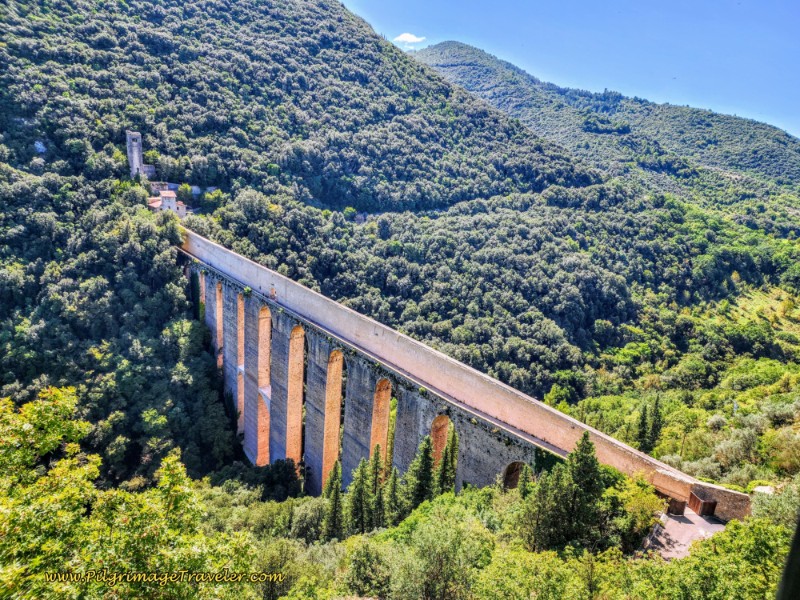
Among all the places Devine visited, it was Spoleto that lodged itself most deeply in his memory. Not for any single monument or museum, but for the feeling of walking its pedestrian cobbled streets, free of vehicles, surrounded by stone and silence and centuries. He describes standing in a place "built so many hundreds of years ago that it's older than the entire country of Canada." That thought, arriving quietly on an ancient street in Umbria, carried a particular weight for a Canadian traveler. It reframed scale. It reframed time. It was the kind of moment that travel, at its best, is designed to deliver.
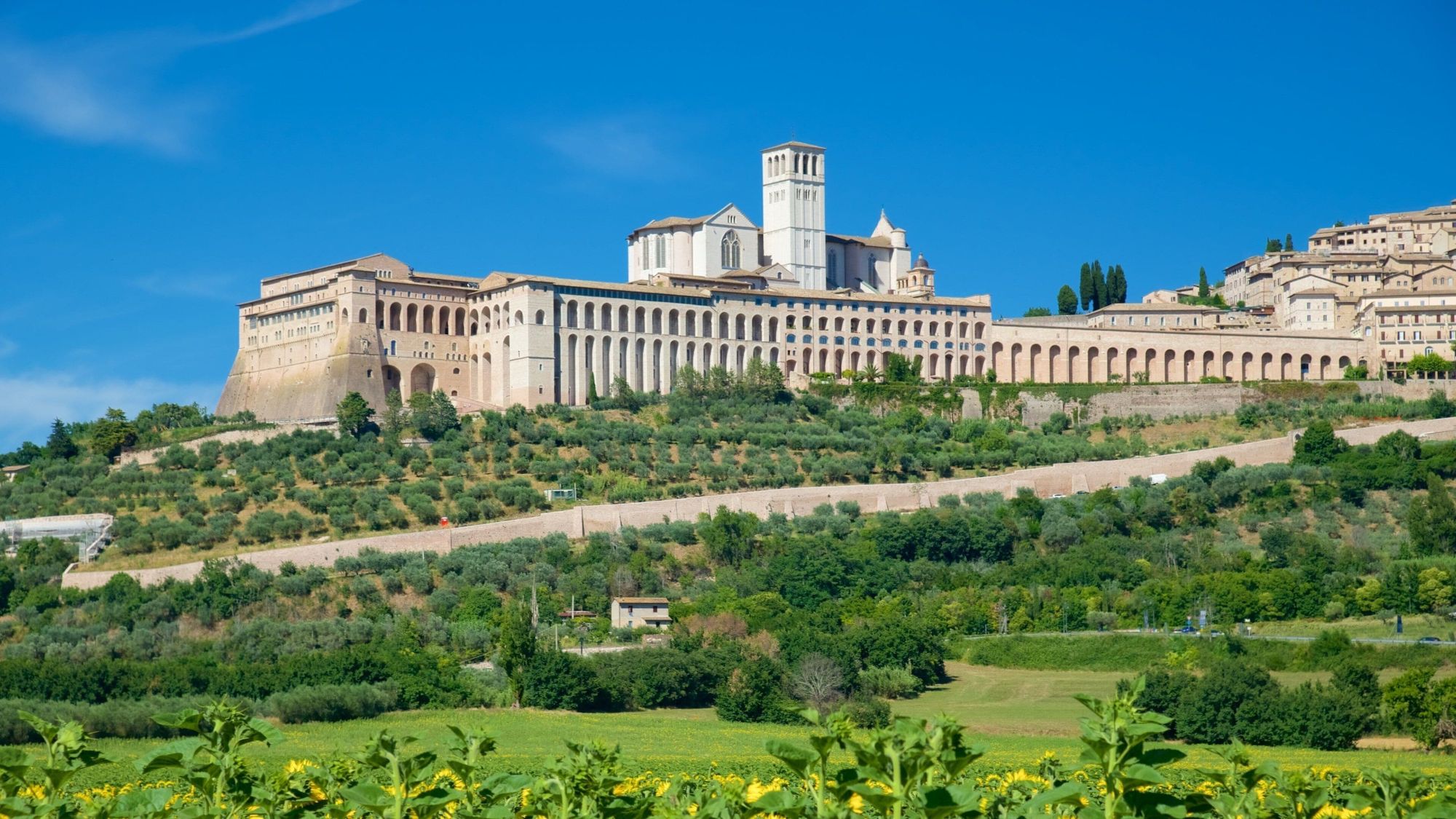
Spoleto is not the Italy of postcards or package tours. It is a hilltop town that asks something of the traveler who arrives there, a willingness to slow down, to look closely, to resist the urge to move on too quickly. For Devine, that quality is precisely what made it memorable, and precisely what makes it the right destination for the right kind of traveler.
The Food, the Pace, and the Revelation
Like so many North Americans who make their first trip to Italy, Devine arrived with certain assumptions, particularly about the food. Those assumptions did not survive contact with the real thing. What he thought was Italian food, based on his "experience in Canada," he explains, simply "didn't line up with what true Italian food was." The ingredients were fresher, the flavors more direct, the experience of eating altogether different. It was a revelation that is almost universal among first-time visitors to Italy, and yet almost impossible to fully anticipate in advance.
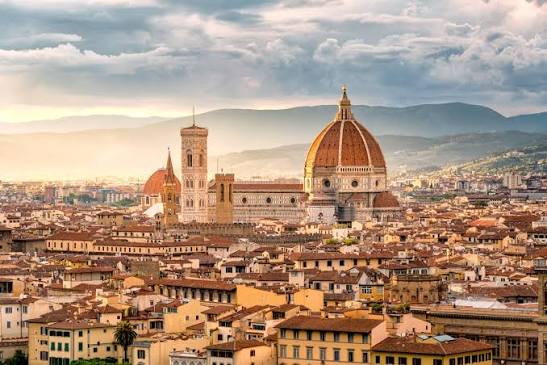
Beyond the food, it was Italy's pace of life that left a lasting impression. Shops closing in the middle of the afternoon. A population that appeared, to an outside eye, to have genuinely solved the riddle of work-life balance. For a traveler from North America, where productivity is something close to a civic virtue, the contrast was striking. "The pace of life," Devine notes, was one of the biggest differences he encountered, alongside the language, a slower, more intentional rhythm that took some conscious unlearning to appreciate.
That experience now informs how he prepares clients who are heading to Italy or anywhere with a similarly unhurried culture, for the first time. His philosophy is direct: "Not to be forewarned is to be forearmed." Knowing that the afternoon lull is not an inconvenience but a cultural institution, knowing that the meal will take longer and the streets will empty at midday, means a traveler can lean into those rhythms rather than chafe against them. It is the difference between frustration and delight, and it is exactly the kind of insider knowledge that a good advisor carries home from a trip like this.
Who Central Italy Is Really For
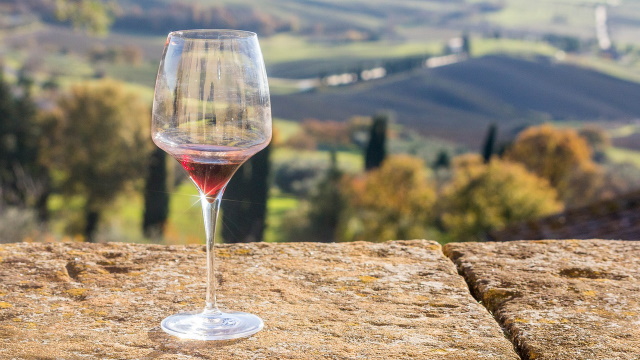
Devine is candid, and genuinely useful, when it comes to matching travelers to destinations. Central Italy, in his view, rewards a specific kind of visitor. He describes the ideal traveler as someone who is "a bit more experienced in life and looking for culture," someone who wants to absorb a place rather than simply photograph it. For those looking for quick hits, packed highlight reels, or high-adrenaline adventure, he is equally honest: they might be better served elsewhere. It is the kind of frank, considered guidance that only comes from someone who has walked those streets himself.
That honesty is part of what defines Devine's approach to his work more broadly. He is an advisor who has done the hard thing, traveled without a safety net, encountered the complexity firsthand, and brought it all back to his clients as something useful. Italy gave him that. The flights, the hotels, the language barrier, the cobblestones of Spoleto, the food that bore no resemblance to what he thought he knew. All of it sharpened him.
Looking ahead, Devine's Italy story continues to do exactly what transformative travel is supposed to do: it keeps informing the way he sees the world, and the way he helps others see it. His time in central Italy, he says, made him appreciate that "in order to get to some of these dream destinations, there's a lot of things to think about." For the clients who trust him to do that thinking on their behalf, that firsthand understanding is not a detail. It is everything.