Travel advisor David Petlin traded the well-worn path through Cork and Kerry for castles, coastlines, and a baking class in Northern Ireland, and came home with a completely new way of selling one of Europe's most misunderstood destinations.
At a Glance
Ireland's northern route through Belfast, Giants Causeway, and Galway offers distinct experiences often missed by travelers following the standard southern loop through Cork and Kerry. The north features the Titanic Museum, volcanic rock formations, vibrant cities, and exceptional farm-to-table cuisine, with April weather often sunnier than expected and microclimates that reward flexible planning.
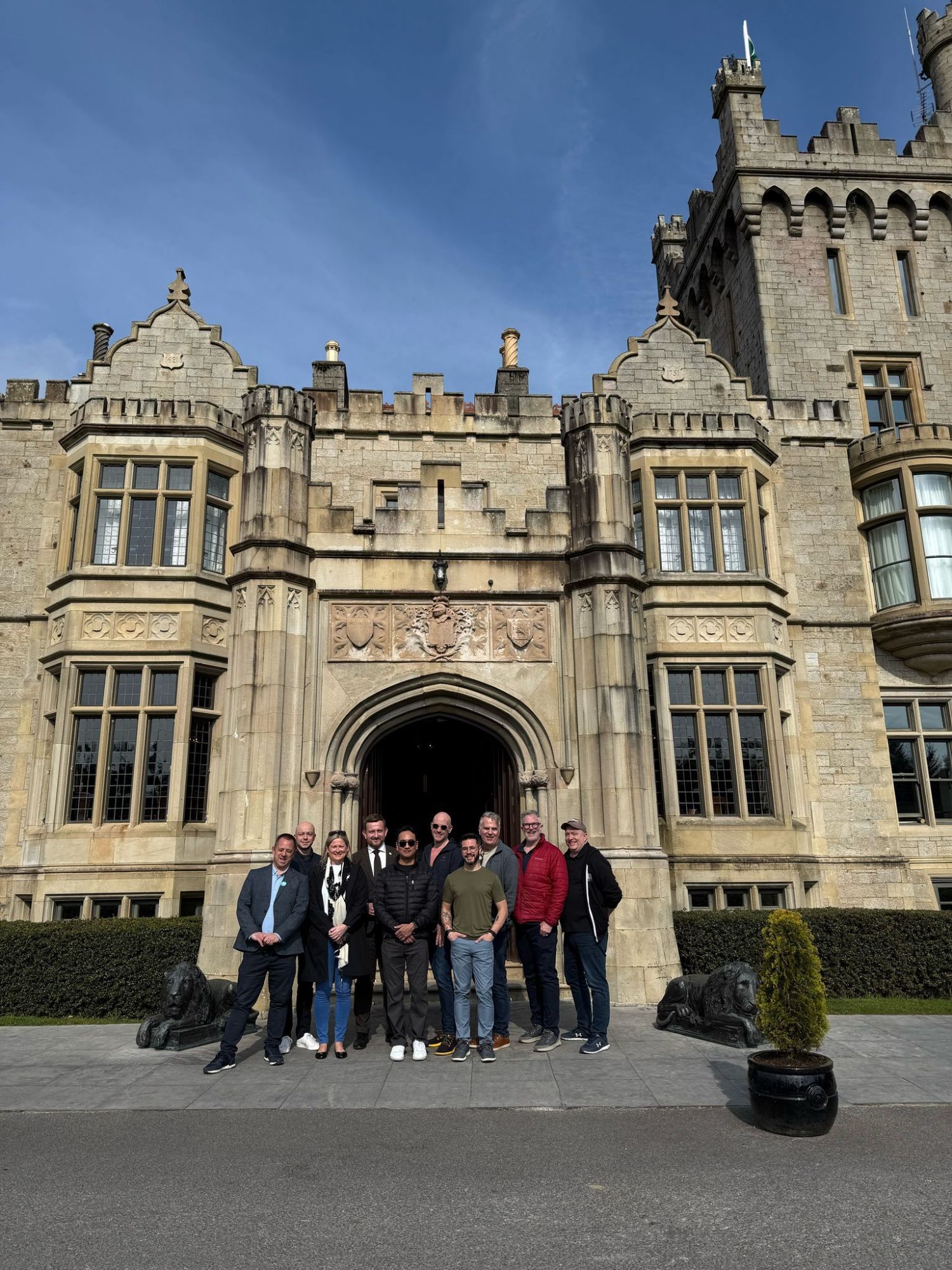
Most travelers land in Dublin, point themselves south, and follow a well-rehearsed script through Cork, Kerry, and Dingle before looping back through Shannon. It is a beautiful route. It is also, according to travel advisor David Petlin, only half the story. In April 2025, Petlin joined a curated fam trip hosted by Tourism Ireland and ground operator Malone and Kelly, traveling the northern arc of the island with a small group of fellow agents, two escorts, and a mission: to understand what clients are missing when they stick to the familiar path. What he found along the way challenged nearly every assumption he had brought with him.
Rethinking Ireland, One Bite at a Time
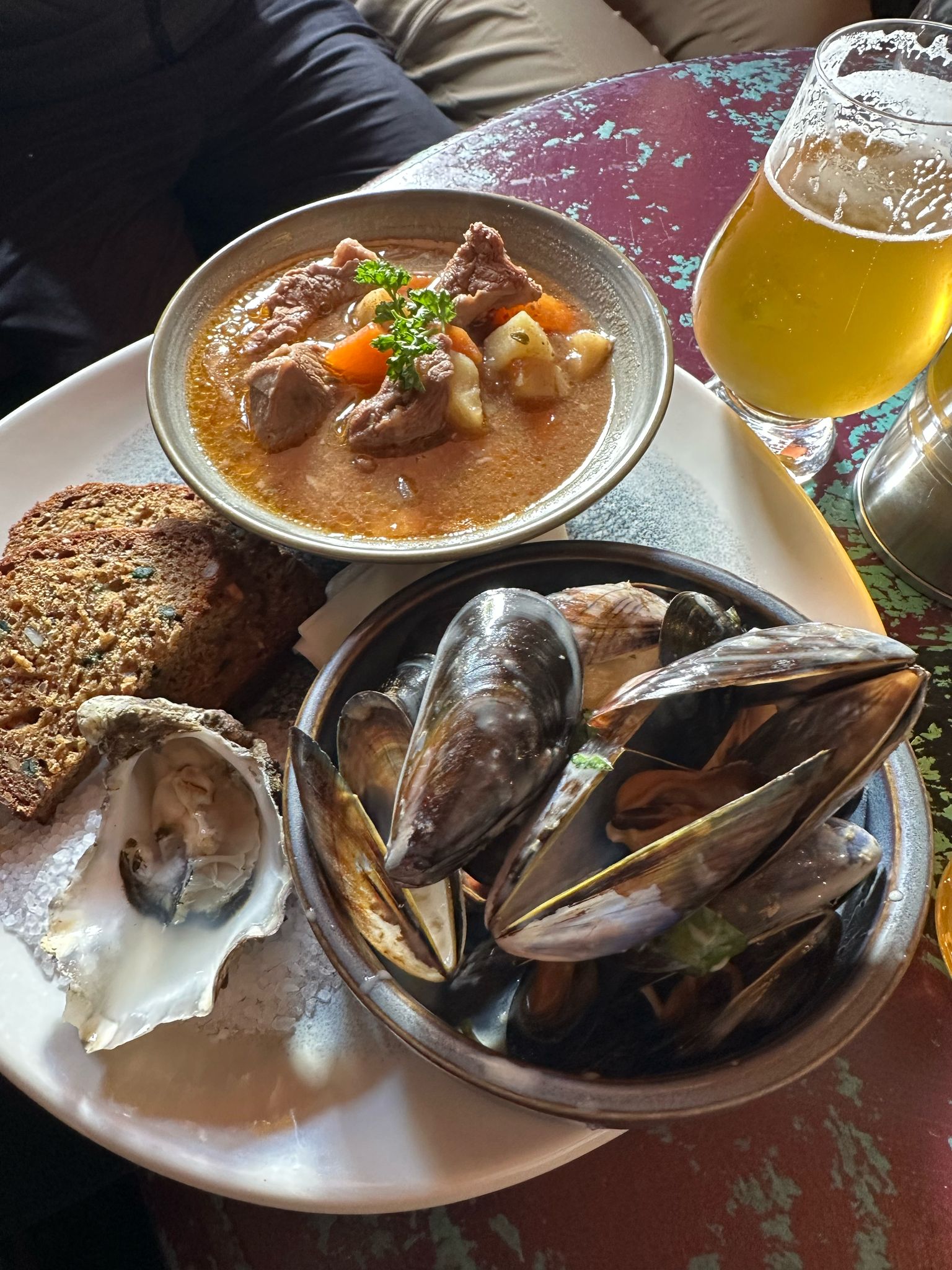
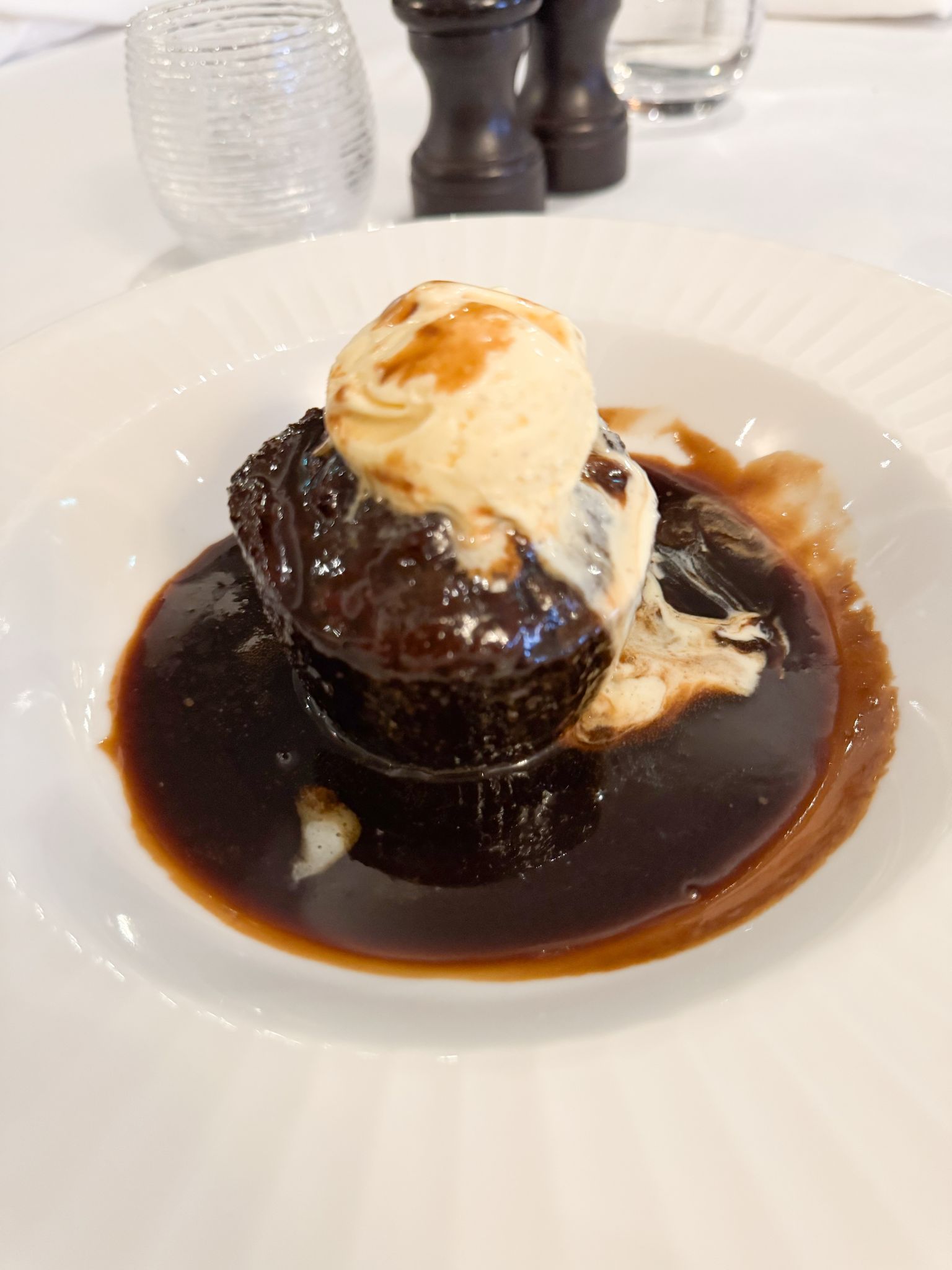
The myths started falling apart almost immediately, beginning at the dinner table. Ireland carries an unfair reputation in the culinary world, a kind of collective shrug about meat and potatoes and not much else. Petlin had heard it, and he suspected his clients had too. The reality was something else entirely. He describes the food as "very fresh, farm to table, locally sourced, great bread products, amazing butter, really good cuts of meat, all very locally sourced," and notes that what impressed him most was "how much care and craft went into all the food." For an advisor who builds food recommendations into every client conversation, this was not a minor discovery. It was a complete recalibration.
The group sat down to fine dining with Michelin-level ambitions, pulled up stools at local pubs, and somewhere in Northern Ireland, they got their hands in the dough. A baking class at a local bakeshop had them learning to make Guinness bread, soda bread, and steak scones from scratch, kneading and shaping with Irish butter that had barely traveled any distance at all to reach the kitchen. Petlin views that class as one of the trip's defining moments, a way for clients to take the culinary memories of Ireland home with them, not just as photographs but as skills. "From a food tour to a great restaurant," he says, "it's going to be the best part of your trip." Coming from an advisor who has traveled extensively and talked about food in nearly every destination he has visited, that is a meaningful statement. Ireland, he now tells clients with confidence, is absolutely a foodie destination.
Belfast: The City Worth Two Nights
The itinerary began in Belfast, and unlike every other stop on the trip, the group stayed two nights. That decision said something. Petlin admits that before this trip, Belfast had not been part of his sales pitch. He had offered clients day trips north from Dublin to Giants Causeway, passing through the city without pausing. Now he pauses. "I don't think before this trip I'd ever sold Belfast as a destination to clients," he reflects. Walking the streets at night changed his perspective. The city felt safe, vibrant, and unmistakably on the rise, with luxury hotel options that he had simply not known to mention before setting foot there himself.
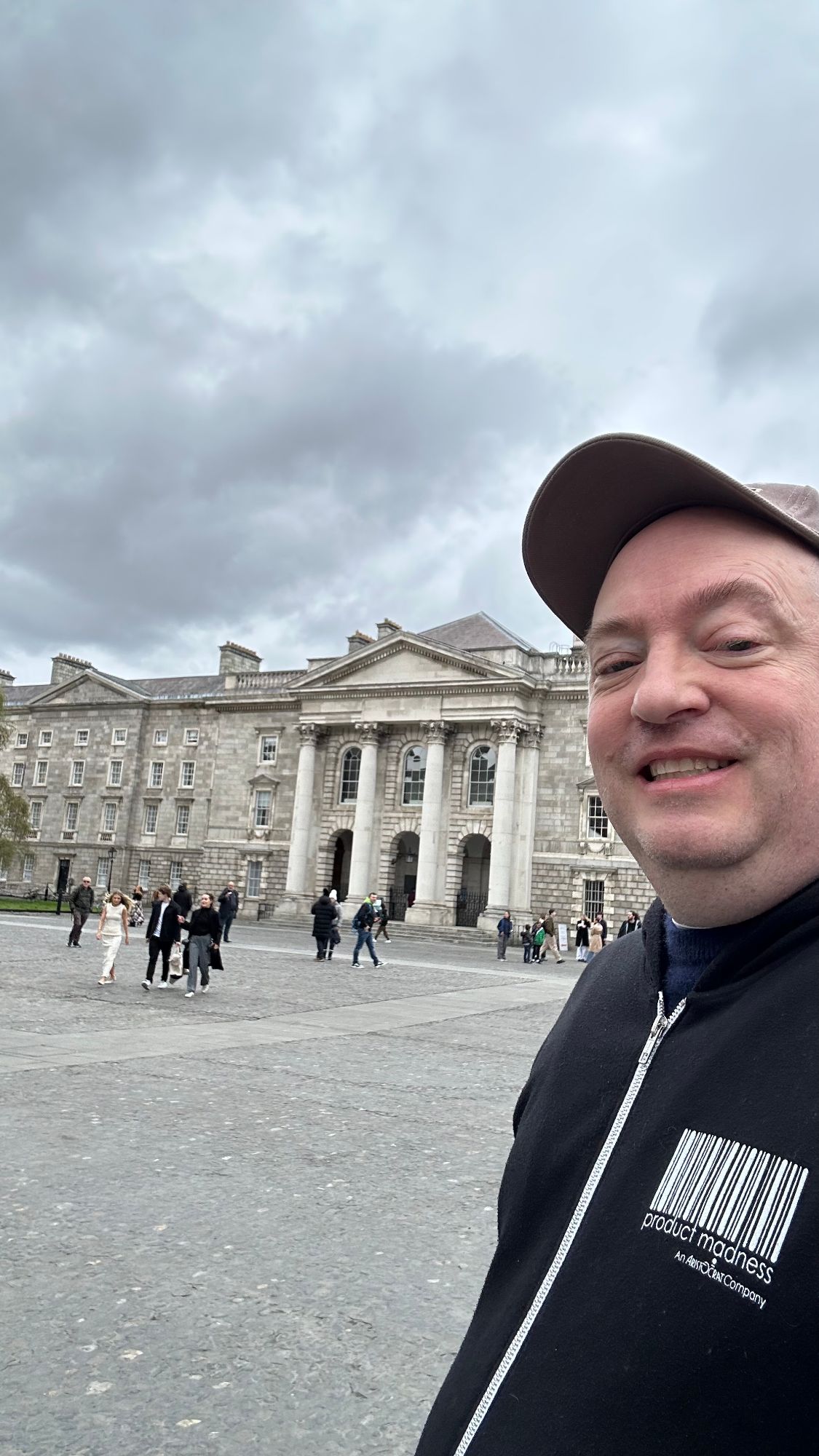
The trip opened in Belfast at the Titanic Museum, and Petlin's enthusiasm for it has not dimmed. It is the kind of attraction that gets eclipsed by the Blarney Stone and the cliffs in most travel conversations, yet it sits at the heart of Belfast's identity in a way that few museums connect so directly to the city around them. The building is extraordinary, the storytelling immersive, and the history, of how the ship was built, who built it, and what its loss meant to the people of Belfast, lands differently when you are standing in the place where it began. Petlin now works to route his Ireland clients through Belfast specifically so they can experience it. It has become, for him, a non-negotiable.
Sunshine, Sunburn, and a Myth Put to Rest
The weather surprised him too. Ireland's reputation for grey skies and persistent drizzle is so established that the trip organizers told the group to pack for cold and keep a raincoat within reach. For six days in April, that raincoat was largely unnecessary. "I actually got sunburnt the first day," Petlin says, still finding some humor in the detail. The sun held out at Giants Causeway, where the volcanic rock formations stretch toward the sea in a light that photographers would have planned around. The group had briefly considered a picnic on the causeway that day. It turned out to be too warm to sit outside comfortably. A light sprinkle arrived some afternoons and cleared quickly, leaving the evenings clean and cool. Petlin now speaks openly to clients about Ireland's microclimates, and about the real possibility that April or May might deliver more sunshine than anyone warned them about.
The Route That Rewrites the Itinerary
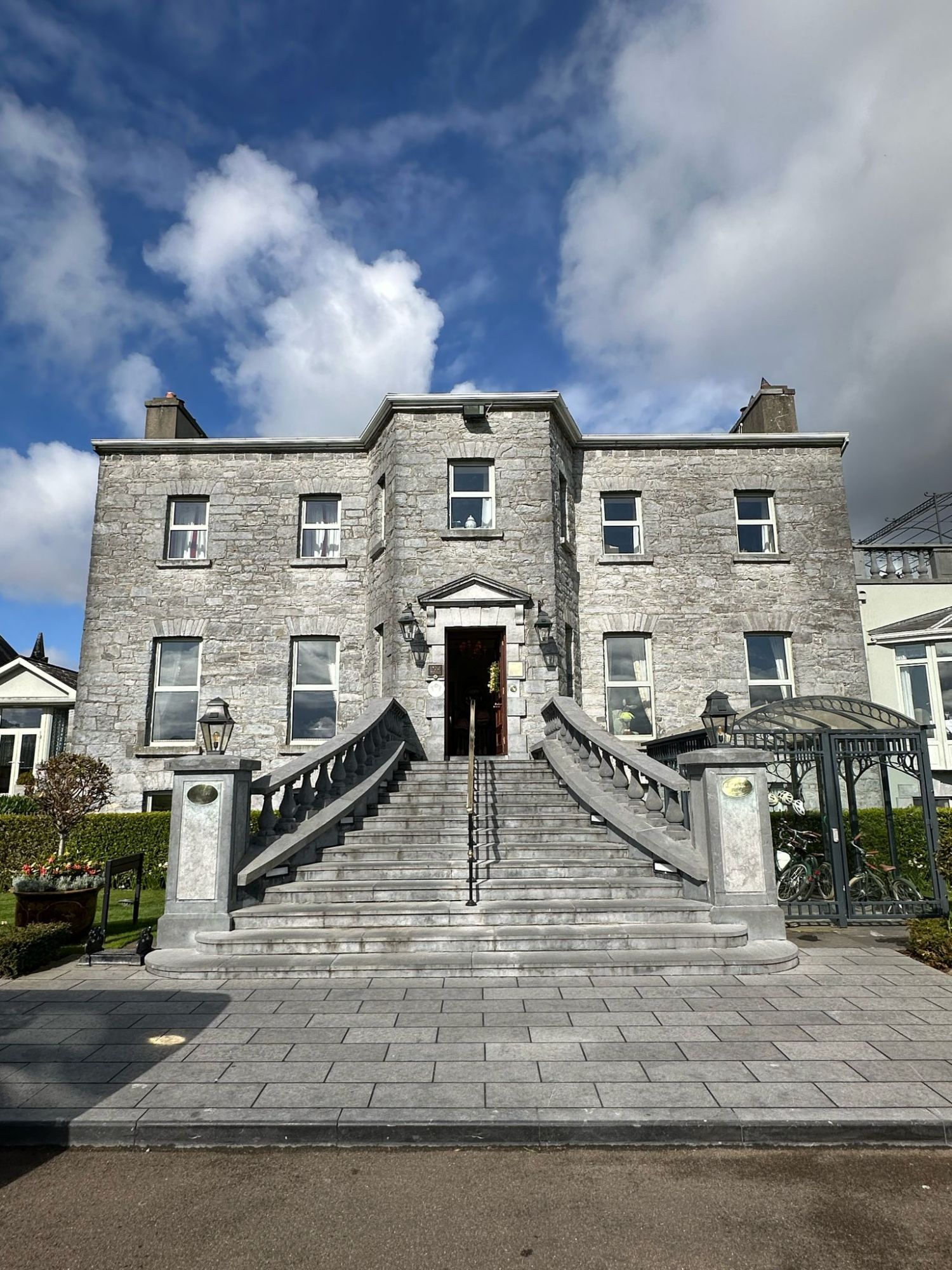
From Belfast, the group traveled across the north and down into Galway before crossing back to Dublin, where they finished with time at the K Club outside the city and a final night at the Fitzwilliam. Six nights, five destinations, a pace Petlin describes as fast and informative, and one he would not necessarily replicate for leisure clients. That professional honesty is part of what makes this kind of trip valuable. He came home knowing not just what to recommend, but how. For independent travelers, he now advocates for a slower approach, ten nights, three or four destinations, enough time to settle into a place rather than photograph it and move on. For clients who want to cover more ground, a group tour with a set itinerary offers movement without the exhaustion of planning each step.
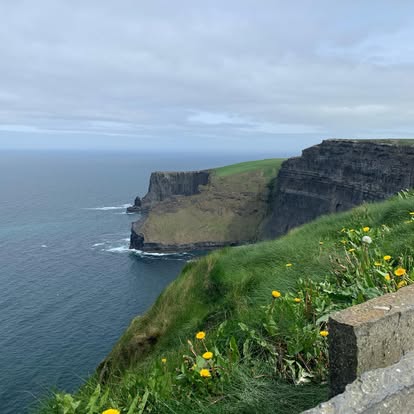
The northern route, he explains, is not simply a geographical alternative. It is a different Ireland. Giants Causeway, Titanic Belfast, and the texture of Northern Irish culture offer something that Cork and Kerry, for all their beauty, simply do not. The trade-off is real. Clients who go north will miss the Ring of Kerry and Blarney. But Petlin points out that the Cliffs of Moher are accessible from Galway on either route, softening that loss considerably. His job, he says, is to help each client understand what they value most and build an itinerary around that rather than defaulting to the version of Ireland that everyone else takes.
Ireland for Almost Everyone
When asked who should go, Petlin's answer is characteristically generous. Honeymooners and milestone travelers, yes. Families, couples, and solo adventurers, also yes. Retired travelers looking for comfort and history. Anyone with Irish heritage who wants to trace their roots through a genealogy tour. He is equally candid about Ireland's accessibility for first-time European visitors, noting that English is universal there, the culture is welcoming, and the learning curve is gentle compared to navigating a language barrier in Paris or Rome. "It's a very welcoming place," he says simply. "It felt very safe."
For Petlin, the professional takeaway from this trip is already shaping conversations with clients. He asks more questions now. He talks about food earlier. He raises the northern route as an option before clients have a chance to default to the south. And he has made Belfast a destination in its own right rather than a waypoint.
As for his own next chapter with Ireland, Petlin has his eye on 2027, when he hopes to return and finally travel the southern route he skipped this time. He wants to see it properly, perhaps with family in tow, and he is already thinking about how to loop back through Belfast to share the things that moved him most the first time. "I would love to get back in 2027," he says, "and see the southern part and the parts that I didn't get to see on this trip." For an advisor who turns personal experience into professional expertise, that is not just wishful thinking. It is the next chapter in a long relationship with a destination he is only beginning to understand.