Travel advisor Chris Whyte returned to Iceland for a second time expecting a research trip and came home with a revelation that is reshaping how he thinks about cruising entirely.
At a Glance
Iceland expedition cruising suits adventurous travelers seeking depth over comfort, with expert staff providing historical and environmental context that transforms the landscape into something weighted and human. The ship serves as a platform to remote locations, not the destination itself, requiring flexibility since itineraries change with weather and natural conditions.
There is a certain kind of traveler who hears the word "cruise" and immediately looks away. They are the hikers, the kayakers, the self-described adventurers who book custom itineraries and measure a good trip by how far it takes them off the beaten path. Chris Whyte knows these clients well. He is, in many ways, one of them. Which is exactly why what happened to him aboard the expedition vessel Sylvia Earle, off the coast of Iceland, is worth paying attention to.
Whyte's second visit to Iceland was part personal research mission, part professional development. He had signed on to participate in the ACTA Immersive Expedition Travel Experience, a program designed to give travel advisors firsthand insight into how expedition cruising actually works. He arrived with professional curiosity. He left with something closer to a complete rethink.
Where History and Landscape Collide
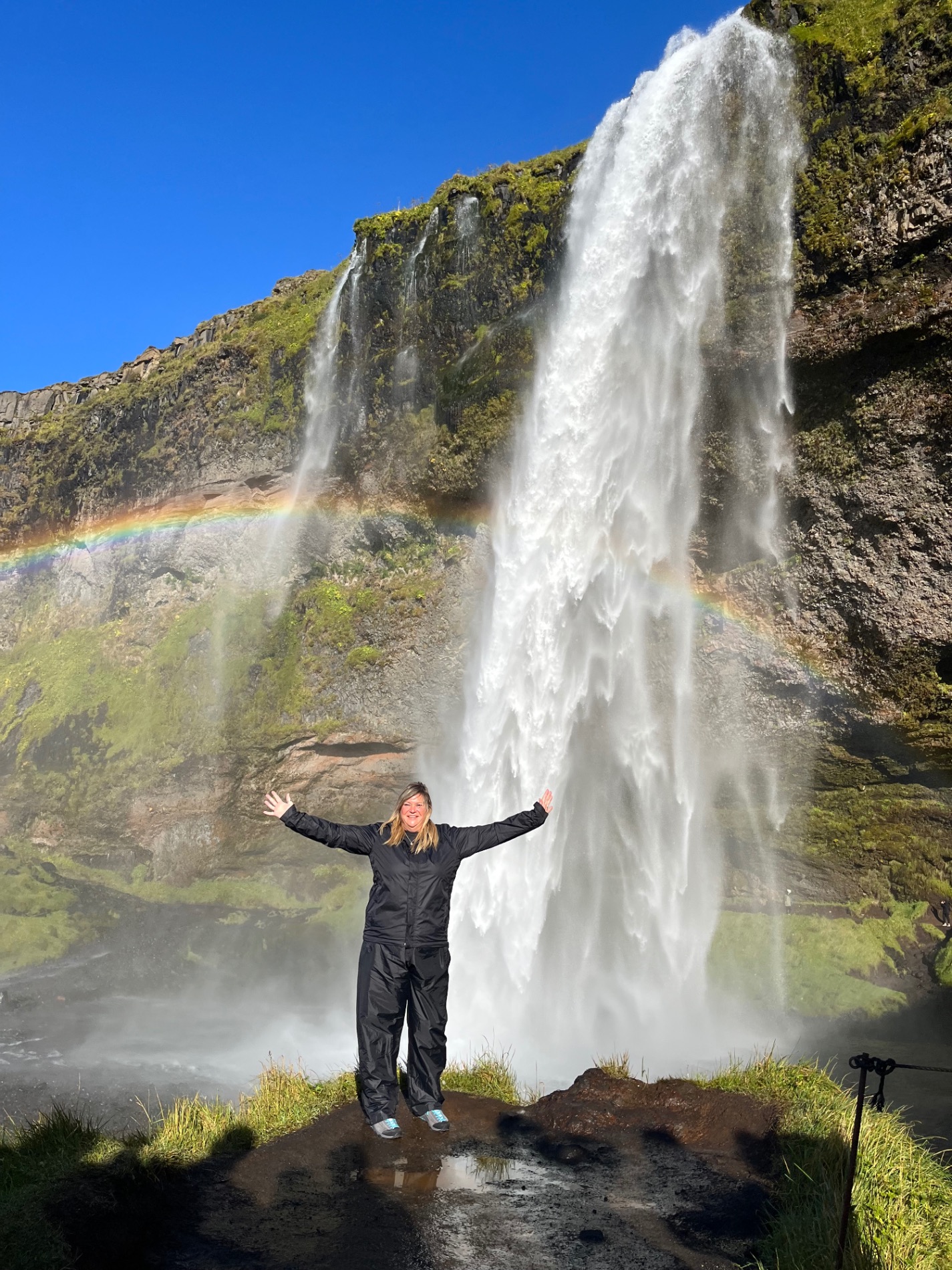
Iceland has a way of unsettling even seasoned travelers. The landscape does not ease you in. It confronts you. Volcanic rock fields stretch to the horizon, glaciers carve through terrain that looks barely hospitable, and the light shifts in ways that make the familiar feel strange. For Whyte, returning to this environment for the second time only deepened its impact. He describes what stays with him most as a layering of two powerful forces: "the incredible history of the place and the struggle of people to survive in a harsh environment, combined with the absolutely stunning vistas and scenery almost everywhere you go."
That phrase, the struggle to survive, is not incidental. Iceland's history is built on it. Early settlers carved out an existence in conditions that demanded ingenuity, resilience, and a deep reading of the natural world. Standing in that landscape with that knowledge changes how you see it. It stops being merely scenic and becomes something more weighted, more human.
The Ship as a Platform, Not a Destination
What pushed this second Iceland trip into genuinely transformative territory was not the landscape itself, but the layer of understanding placed over it by the expedition staff aboard the Sylvia Earle. Whyte had not anticipated the depth of what would be offered. "What really surprised and challenged me was the amount of information, context and additional detail provided by the expedition staff," he says. "Their ability to put facts into context and elaborate on environmental issues and historical facts that make the destination relevant really took it to another level, and it's something I wouldn't have access to in any other form of travel."
This is the distinction that Whyte now draws sharply when he talks about expedition cruising versus traditional ocean or river cruising. The ship, he explains, is not the point. The ship is the means. It is "potentially the cruise for non-cruisers. It's less about the onboard activities and more about the ship as a platform to get you access to unique and interesting places that regular travel would never let you experience." For someone who has spent years helping clients find their way into the world's more remote corners, this framing landed with particular force.
Who This Trip Is For, and Who It Isn't
One of the most valuable things a travel advisor can do is tell a client the truth about whether something is right for them. Whyte does not shy away from this. Expedition cruising, he is quick to note, is not for everyone, and saying so openly is part of what makes his recommendation credible when he does make it.
The travelers who will thrive on an expedition cruise are lifelong learners with an adventurous spirit, people who want depth over comfort and access over entertainment. But Whyte is equally clear about who should look elsewhere. "The itineraries can change at the last minute," he notes, "so if you're someone that can't really cope with a more flexible schedule, this might not be the right type of activity for you." Expedition travel is, by its nature, tuned to the environment. Weather dictates. Nature leads. Flexibility is not a bonus feature; it is a requirement.
For the right traveler, though, that unpredictability is part of the appeal. And Whyte now has a much clearer picture of which of his clients that describes. "I have a group of clients who are very interested in active destinations," he says, "people who would typically book hiking trips, kayaking trips, custom adventurous itineraries, and I think an expedition cruise would be a much better fit for them than I would have expected had I not had this experience." The immersive trip did not just teach him about Iceland. It helped him see his own client roster differently.
The Local Connection That Unlocks Every Destination
Beyond the expedition format itself, Whyte came away from Iceland with a reinforced belief in the power of local knowledge. It is a principle he applies across every destination he works with, but Iceland gave it fresh resonance. "One of the best ways to get as much out of visiting a destination is to interact with knowledgeable locals as much as possible," he says. "Being able to talk to people who live their lives there, who understand the culture and the lifestyle, really brings it to life." It is the kind of insight that sounds simple until you have experienced the difference it makes, and it is something Whyte now actively encourages every client to prioritize.
What Comes Next
A travel advisor who keeps traveling is one who keeps learning, and Whyte shows no signs of slowing down. His next personal journey will take him through Central Europe on a river cruise, another format he has yet to experience firsthand. After that, Australia and New Zealand are firmly on his horizon. Each trip is both a personal adventure and a professional investment, another layer of knowledge he brings back to the clients who trust him to know the difference between what looks good on paper and what actually delivers.
For anyone who has written off cruising without ever considering what an expedition vessel can offer, Whyte's Iceland experience is a quiet but persuasive argument to look again. The right cruise, it turns out, might be one that looks almost nothing like what you imagined a cruise to be.