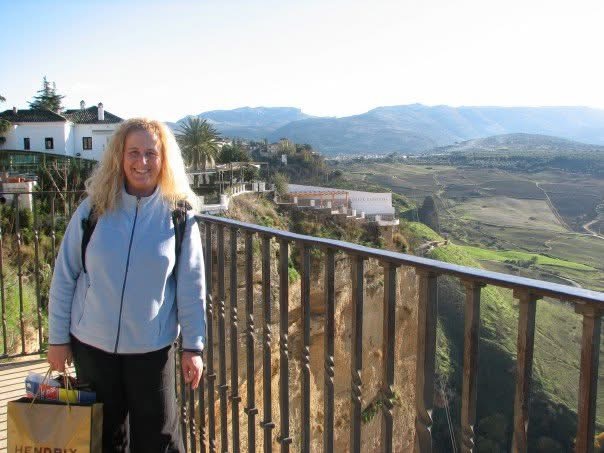
After years of walking back up the gangway wishing she could linger, travel advisor Amanda Swan makes the case for slowing down on the Caribbean's most underestimated island.
At a Glance
Grenada reveals its authentic character only through extended visits, not cruise stops. The island's layered history, spice estates, rainforest, beaches, and resilient culture require time to understand. Visitors who spend only hours in port miss the sensory and historical depth that defines the Spice Isle.
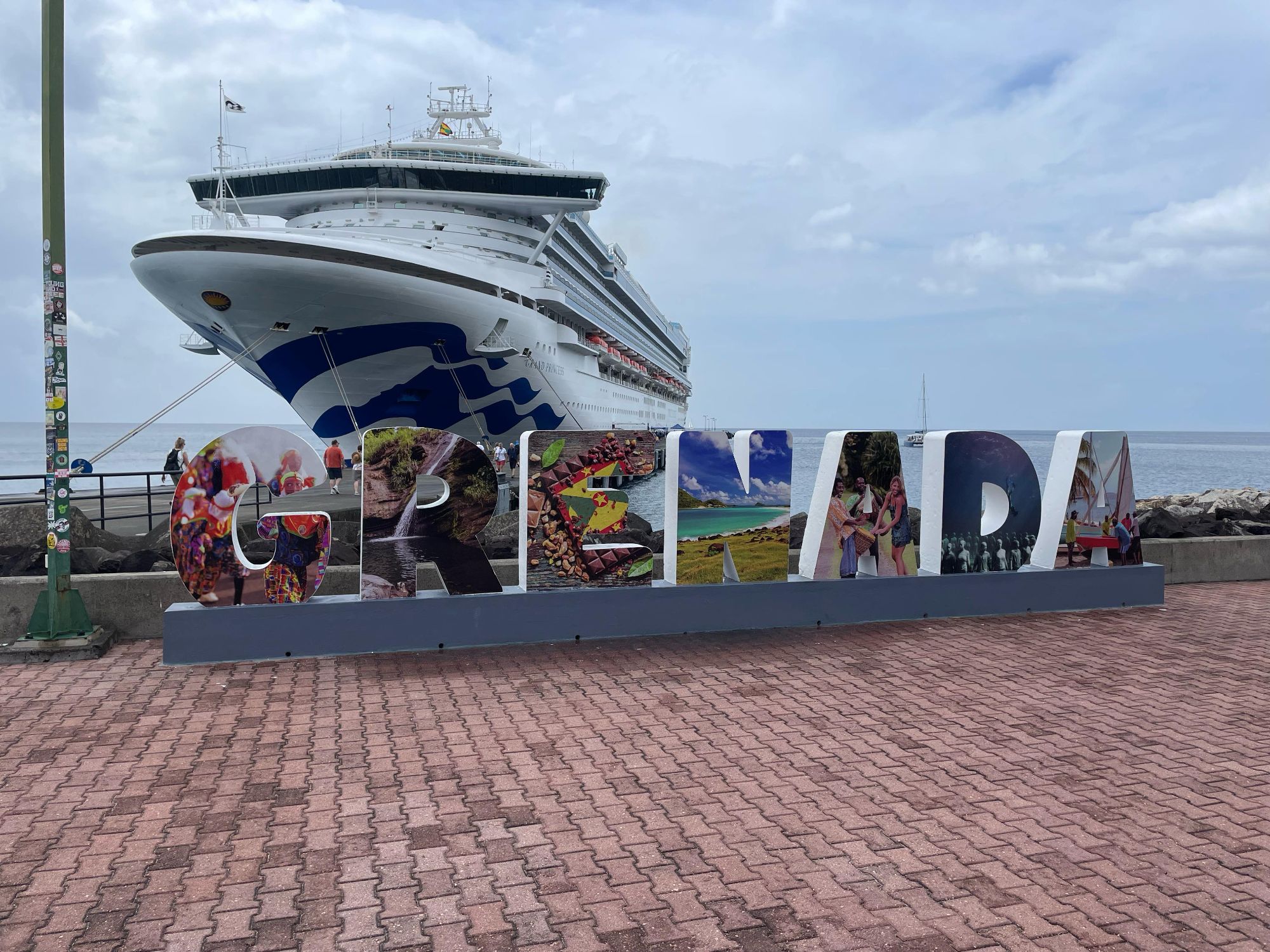
There is a particular kind of longing that comes from glimpsing a place and never quite getting enough of it. For Amanda Swan, founder of Swan Family Travel, that place has always been Grenada. Swan has visited the island several times, but always as a cruise passenger, always on the clock, always with the ship's departure looming. "Every single time, I've walked back up the gangway wishing I could stay," she says. It is a feeling that, for Swan, eventually became impossible to ignore.
Grenada sits at the southern end of the Caribbean's Windward Islands, and it wears its identity differently from many of its neighbours. It is greener, quieter, and less obviously tailored to the tourist gaze. Swan noticed this from her very first stop. "It doesn't feel built for cruise passengers," she says. "It feels like a real place where people live and work, and that's what drew me in." That authenticity, she now understands, is not accidental. It is the product of a landscape, a history, and a culture that have been shaped by forces far older and far more complex than any cruise itinerary.
The Isle of Spice, Up Close
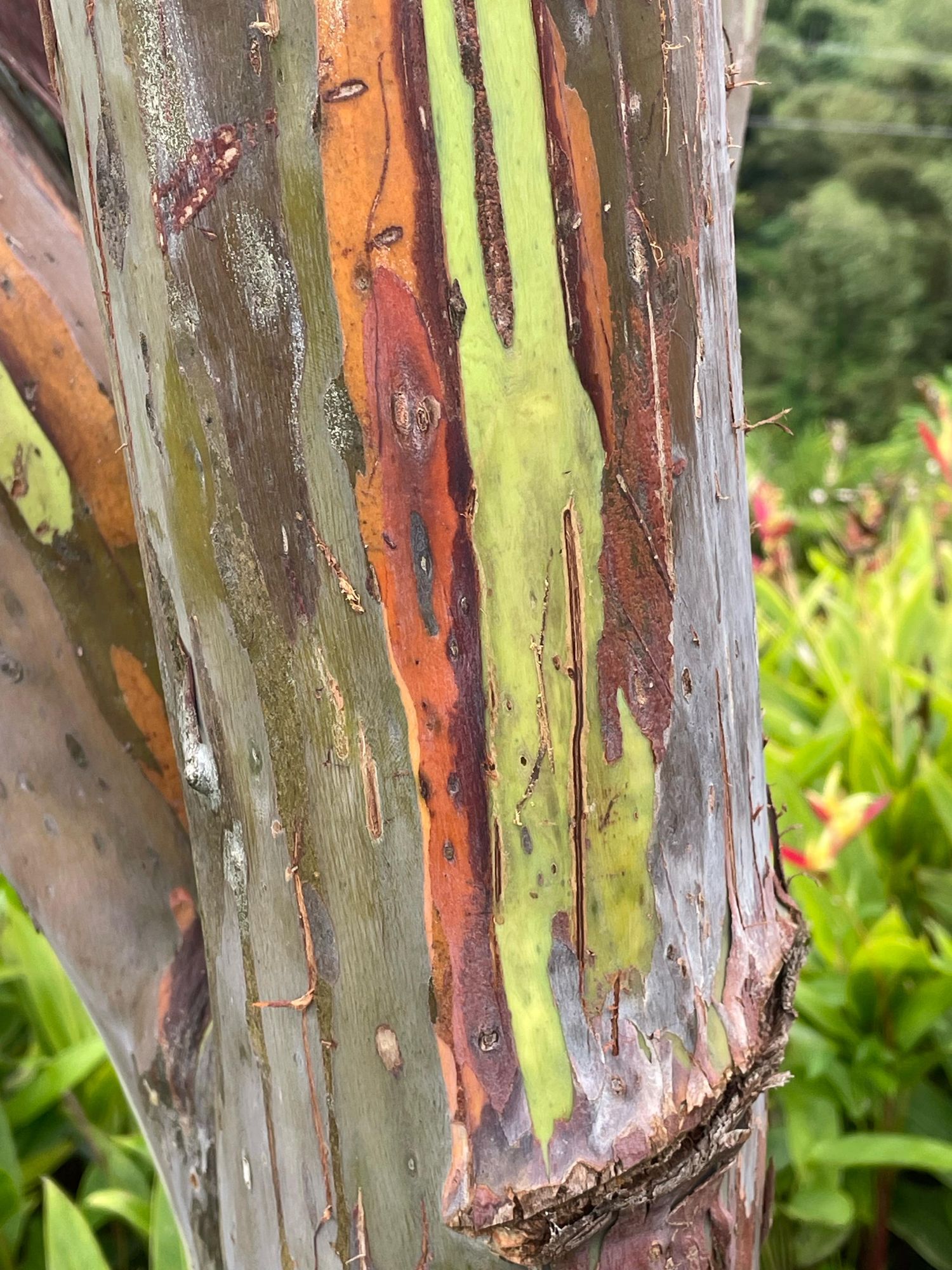
Grenada's nickname is the Isle of Spice, and Swan discovered that the name is not merely tourism branding. Nutmeg appears on the national flag, and the island grows an extraordinary range of spices including cinnamon, cloves, and ginger alongside the nutmeg that made it famous. On one of her cruise stops, Swan joined a tour that took her through the places where spices are grown and processed. The experience of seeing, smelling, and tasting fresh spices in the field was a sensory introduction to an island that rewards slow, attentive travel.
Beyond the spice estates, Grenada reveals itself in layers. Up in the mountains, Grand Etang National Park offers lush rainforest, crater lakes, and waterfalls, along with Mona monkeys moving through the canopy. Down at sea level, Grand Anse Beach stretches out in a long arc of soft white sand and calm, clear water. And beneath the surface, an underwater sculpture park, the first of its kind in the world, sees coral slowly reclaiming the forms of human figures. Swan has yet to snorkel it. That, along with a cocoa tea at Belmont Estate, a visit to the ancient River Antoine rum distillery, and a ferry ride to the neighbouring island of Carriacou where dolphins often follow the boat, remains on her list for the longer stay she is already planning.
A local lunch during one of her visits gave Swan another window into the island's character. The food, she says, was a revelation in its own quiet way. "The local food is delicious," she recalls. "We tried a local lunch and it had great flavour." It is exactly the kind of unremarkable, memorable moment that a two-hour port stop rarely allows.

A History Bigger Than the Island
What surprised Swan most about Grenada was not any single attraction but the weight and complexity of its history. For an island of its size, Grenada carries an extraordinary amount of story. Long before European contact, it was home to the Arawaks and later the Kalinago people. Columbus sailed past in 1498 without landing. The French arrived in the 1650s, and the Kalinago resisted fiercely. At Sauteurs in the island's north, a clifftop known as Leapers' Hill marks the place where, according to local history, the last Kalinago families chose to jump rather than surrender. Swan found standing there to be a genuinely affecting experience, a reminder that the Caribbean's islands hold stories far older and more layered than the resorts and cruise terminals suggest.
The island changed hands between France and Britain for more than a century, which is why French place names like Sauteurs and Grand Anse still sit comfortably alongside English ones. Enslaved Africans were brought to work the sugar and cocoa plantations, and their descendants form the heart of the island's population today. Nutmeg, it turns out, arrived later than Swan had assumed. It was brought from the East Indies in the 1840s and thrived so completely that Grenada became one of the world's largest producers. Independence came in 1974, followed by turbulent years in the late 1970s and early 1980s, and then, in 2004, Hurricane Ivan devastated the island, destroying most of the nutmeg trees.
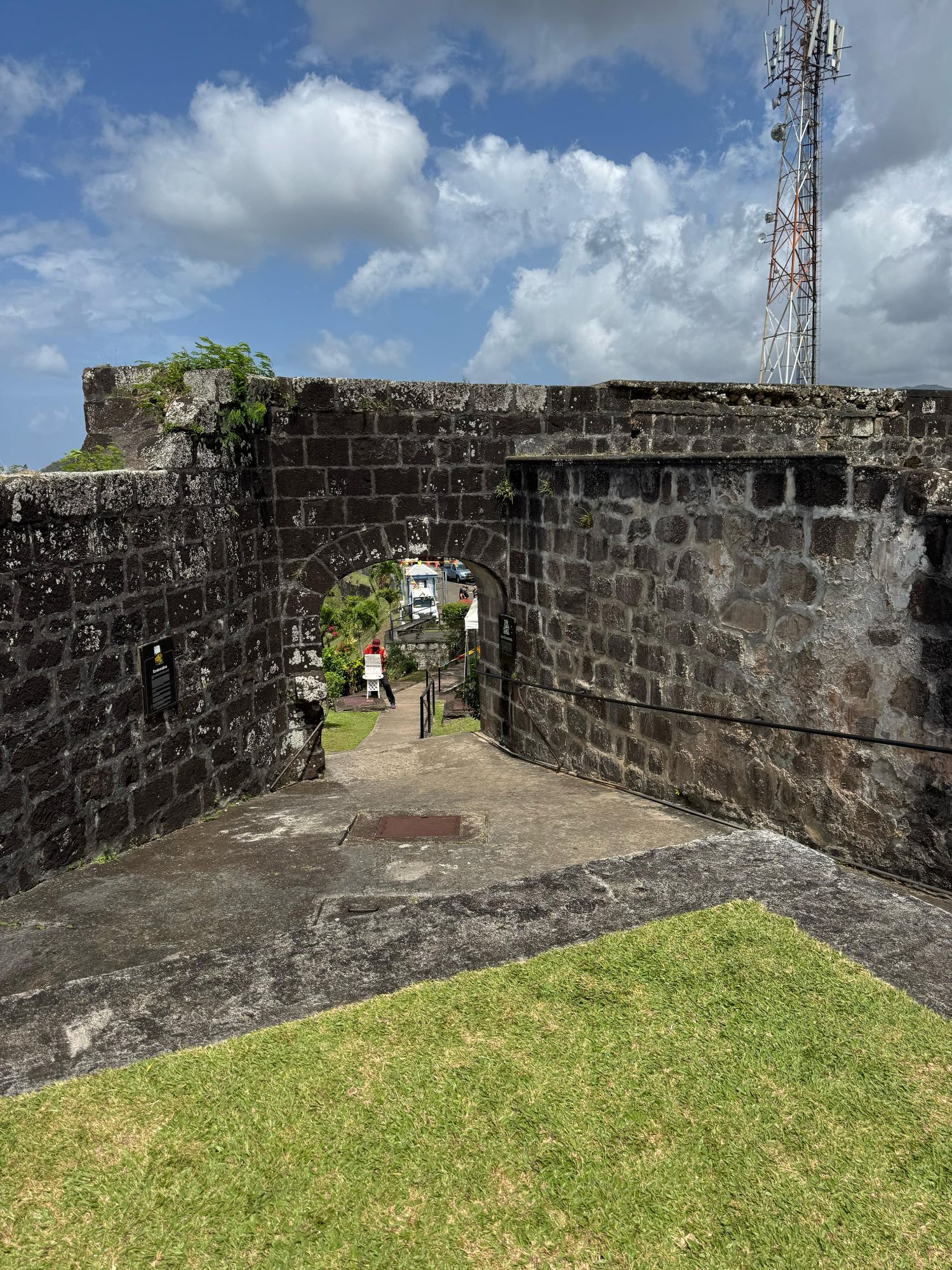
Grenadians replanted. They rebuilt. And walking through the island today, Swan says, you would never guess how much it has endured. "To me, that resilience is a big part of its charm," she reflects. It is a sentiment that speaks to something Swan values in a destination: the sense that a place has genuine character, earned rather than constructed.
Why a Longer Stay Changes Everything
The throughline of Swan's experience in Grenada is the gap between what a cruise stop offers and what the island actually has to give. A few hours in port is enough to sense that Grenada is special. It is not enough to understand why. The spice estates need time. The rainforest needs time. Leapers' Hill, with everything it represents, deserves more than a rushed stop on a shore excursion itinerary.
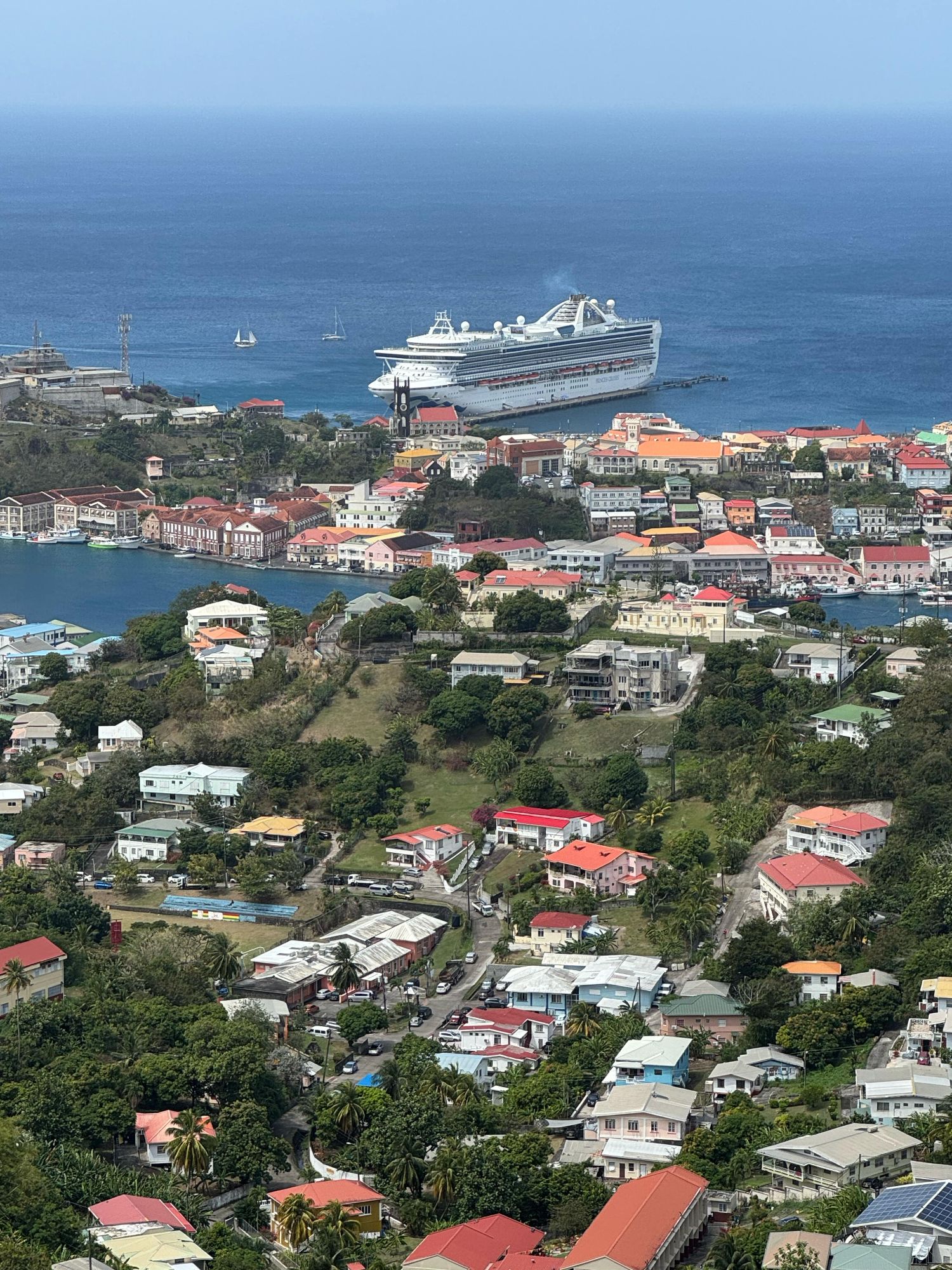
For Swan, the professional insight is clear, and it is one she intends to carry into every conversation she has about the island from here on. If you have only ever seen Grenada from the deck of a ship, or never visited at all, you have not yet seen Grenada. "If you've only seen it from a cruise ship like I have, or never been at all, I'd love to help you plan a longer stay on the Spice Isle," she says. It is both an invitation and a promise, one backed by the particular authority of someone who has stood on that clifftop, tasted those spices, and walked back up the gangway one too many times wishing she could stay.
Swan is already looking ahead to returning, this time without a departure time hanging over her. She wants to hike deeper into the rainforest, watch the sunset over Grand Anse, and take that ferry to Carriacou. For the travel advisor who has long admired Grenada from a distance, the next chapter is about finally getting close enough to know it properly.