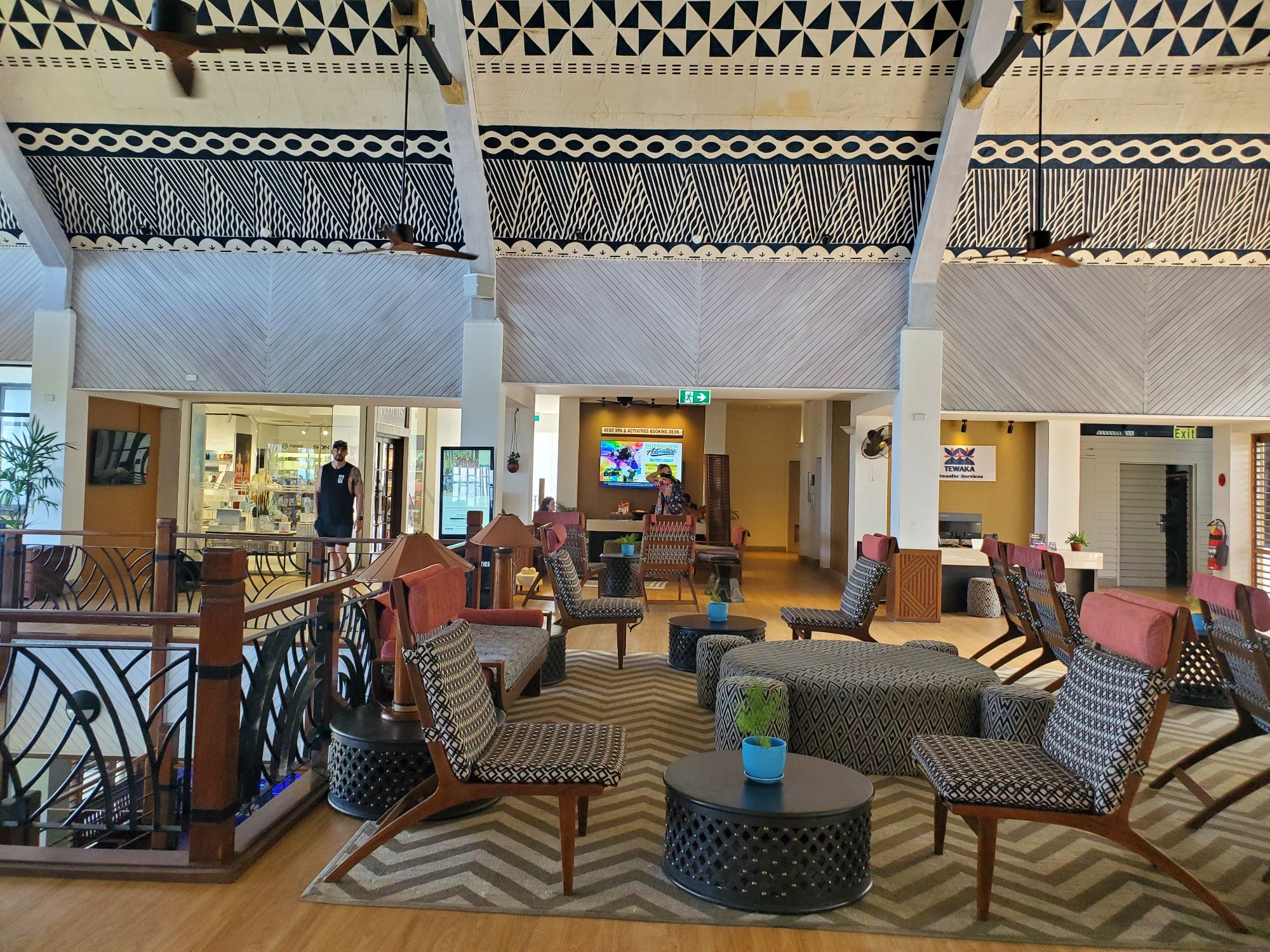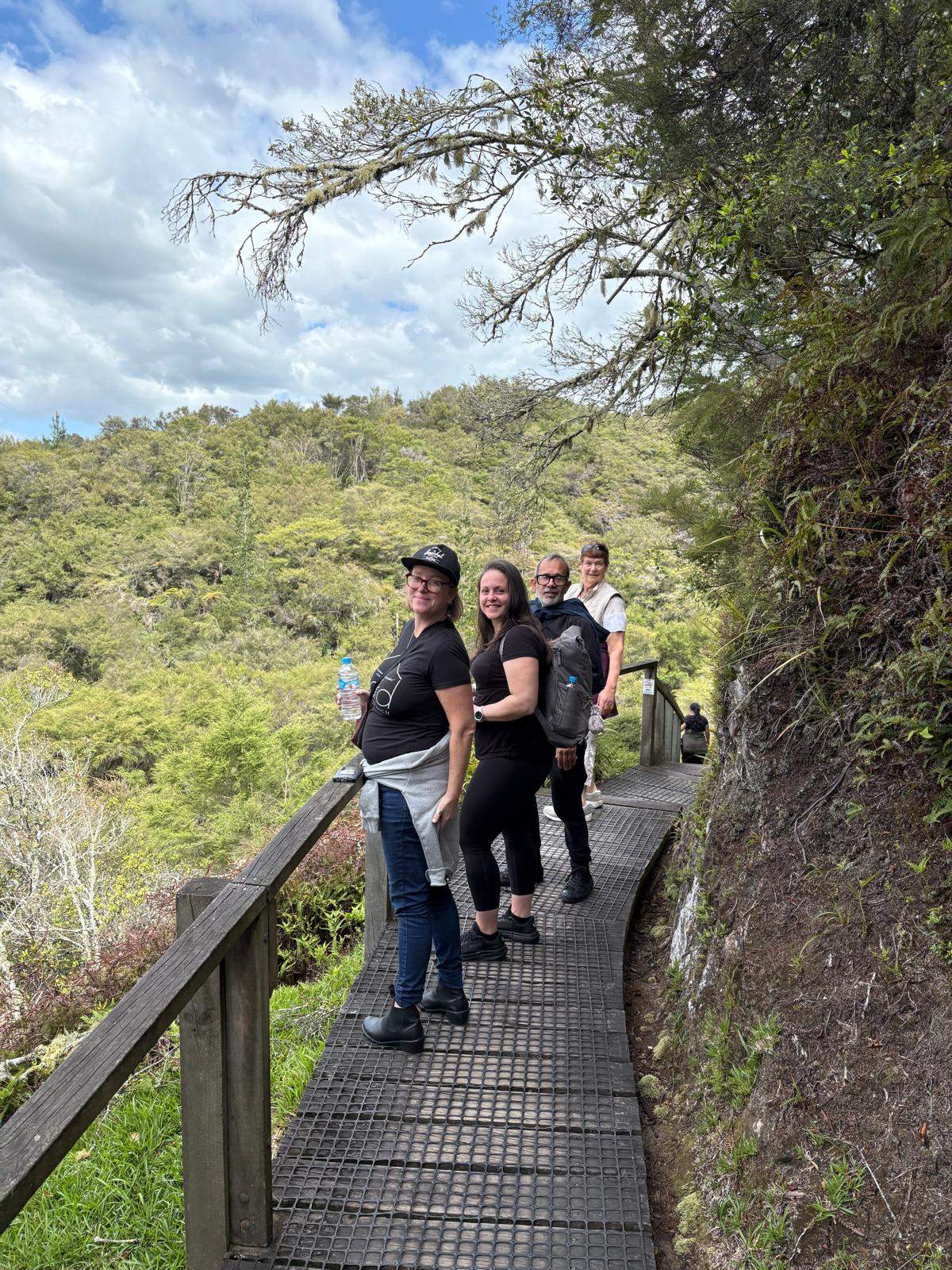
For travel advisor Urmila Singh, a recent trip to Fiji was never just a holiday — it was a multigenerational homecoming five decades in the making.
At a Glance
Fiji rewards slow travel and island-hopping rather than resort-focused visits. A coastal road trip reveals hidden restaurants and beaches beyond main tourist areas. Visitors should select two or three islands and allow adequate time at each, as each offers distinct experiences and the best moments emerge when travelers resist overplanning.
Some trips are about discovery. Others are about return. For Urmila Singh, a Canadian-based travel advisor with deep roots in the South Pacific, her recent journey to Fiji was both at once — a pilgrimage back to the island her family left 55 years ago, and the first time her children and grandchildren ever set eyes on the place they had always heard about but never seen.
"We went back after 55 years of living in Canada," Singh says, her voice carrying the particular weight of someone who has carried a place inside them for a very long time. "All the children had never been. Their first time seeing their grandparents' home, the place we left 55 years ago." It is the kind of statement that reframes everything that follows. This was not a fam trip or a resort review. This was a family standing on the soil of its own story.
A Homecoming Felt Across Generations
For Singh's children, Fiji was an idea — a name woven into family history, a backdrop to stories told at dinner tables across Canada. For her grandchildren, it was even more abstract. But the moment the family arrived, something shifted. The distance between the Fiji of memory and the Fiji of the present collapsed, and what filled that space was something no itinerary could have planned for: recognition. The warmth of the people, the unhurried rhythm of daily life, the sense that the island had been waiting.
Singh describes the experience of being back as "almost going back to nature — leaving the big city life behind. Enjoying everything fresh, nothing out of the box or the freezer. Just enjoying the weather, the beaches, the atmosphere, and that laid-back island vibe." For a family that had built its life in Canada, that contrast was not just refreshing. It was revelatory. The grandchildren, encountering their ancestral homeland for the first time, were not tourists. They were, in some quiet and meaningful way, coming home.
The Fiji That Waits Beyond the Resort
As a travel advisor, Singh brings a professional eye to every destination she visits. But in Fiji, that professional lens was sharpened by something more personal: the knowledge of someone who once lived there. What she found, beyond the well-known beaches and resort strips, was a destination that rewards those willing to move through it slowly and deliberately.
Her strongest recommendation for any traveller heading to Fiji is one that most visitors never act on. "Take a road trip around the island," she says. "There are beautiful hidden gems with restaurants and resorts along the way, places where you can stop in and eat, enjoy the beach, and keep driving." It is the kind of tip that only comes from someone who has actually done it, someone who pulled off the main road on instinct and found something worth stopping for. The coastal drive, with its unplanned encounters and impromptu lunches, turned out to be the trip within the trip.
Beyond the road, Singh was struck by how accessible and welcoming the destination felt. The people were friendly, she notes, and getting around was easier than many travellers might expect. There was no barrier between visitor and place, no sense of a destination performing itself for an audience. Fiji, as Singh experienced it, simply was what it was — generous, unhurried, and genuine.
Who Fiji Is For, and How to Plan It Right
When asked who should make the journey to Fiji, Singh does not hesitate. "Everyone should go and enjoy Fiji and the happiness and the life," she says. "The Fijian way." It is a deceptively simple answer, but it carries the conviction of someone who has seen that happiness land differently across generations, from grandchildren experiencing it as wide-eyed wonder to grandparents experiencing it as the particular joy of return.
That said, Singh is quick to point out that Fiji is not a single destination but an archipelago of distinct experiences. Her advice to clients, grounded in what she now knows from the inside, is to resist the temptation to rush. "There are many different islands to be explored," she explains. "Maybe choose two or three and ensure that you have enough time to go and enjoy each one, because each one would be a different experience." It is the counsel of an advisor who has moved beyond the brochure — someone who understands that the difference between a good Fiji trip and a transformative one often comes down to how the islands are sequenced and how much breathing room is built in between them.
Her broader guidance reflects the same philosophy: do the research before you go, decide what matters to you at each stop, and resist the urge to overplan at the expense of presence. In Fiji, she suggests, the best moments tend to arrive when you are not trying to manufacture them.
The Advisor Who Has Already Been There
What makes Singh's perspective on Fiji genuinely unusual is not just that she has visited. It is that she carries the destination in a way that no amount of research could replicate. She knows what it felt like to leave, and she knows what it felt like to return. She has watched her grandchildren encounter for the first time the same landscapes that shaped her own earliest years. That dual lens — childhood memory and adult professional assessment — gives her a kind of authority over this destination that belongs to very few people in the travel industry.
For clients who are dreaming of Fiji, particularly those planning a family trip or a journey that needs to mean something beyond logistics, that authority matters. Singh is not recommending a destination from a fact sheet. She is recommending it from lived experience, ancestral connection, and the very specific understanding that comes from having watched three generations stand on the same ground and feel it differently.
As for what comes next, Singh is already in motion. She is heading to Japan in November to attend the ACTA Summit conference in Yokohama, with a stop in Seoul for four nights beforehand. "I'm looking forward to that," she says, with the easy forward momentum of an advisor who is always one trip ahead. It is a reminder that for Singh, travel is not just a profession or a personal passion. It is an ongoing practice, a continuous act of learning that keeps her expertise current and her recommendations honest. Fiji will stay with her, as it always has. But there is always another horizon, and she is already moving toward it.