From the ancient forests of Uganda to the sweeping savannas of Kenya and the beaches of Tanzania, travel advisor Shari Lukens returns from East Africa with a deeper understanding of her craft and a journey she will never forget.
At a Glance
East Africa's transformative wildlife experiences centre on Uganda's mountain gorillas in Bwindi Impenetrable Forest, where intimate encounters with silverbacks reshape visitor perspectives. Kenya's early-morning game drives in Buffalo Springs and the Masai Mara reveal raw predator activity and local culture, while Tanzania's beaches provide rest. The region offers far more than spectacular animals—it encompasses people, culture, and community.
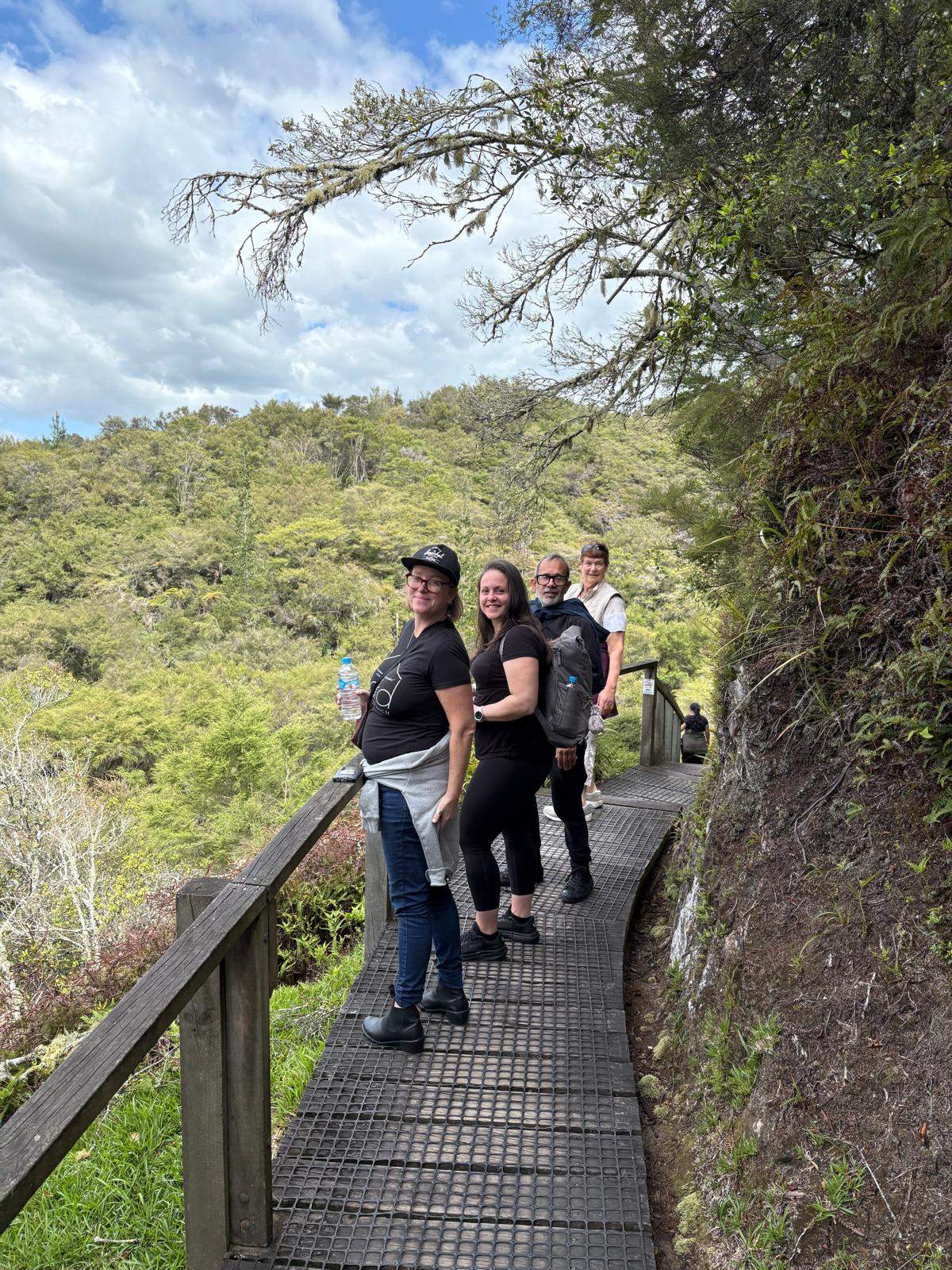
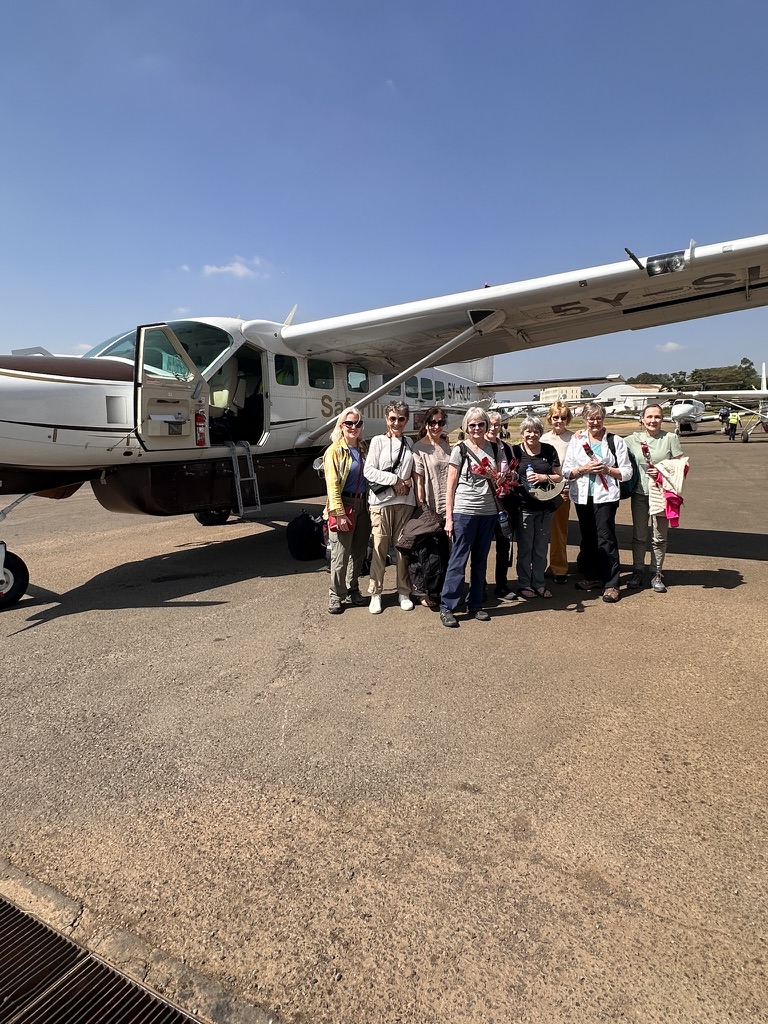
There are trips that entertain, and then there are trips that transform. For travel advisor Shari Lukens, a recent Niche Women's Tour through East Africa was firmly the latter. Beginning in the vibrant streets of Kigali, Rwanda, the journey took her deep into the ancient forests of Uganda in search of mountain gorillas, across the dramatic landscapes of northern and southern Kenya on a flying safari, and finally to the beaches of Tanzania for a few blissful days of rest. It was, by any measure, an extraordinary itinerary. But what Lukens brought home was something no brochure could have prepared her for.
Into the Forest: A Meeting Unlike Any Other
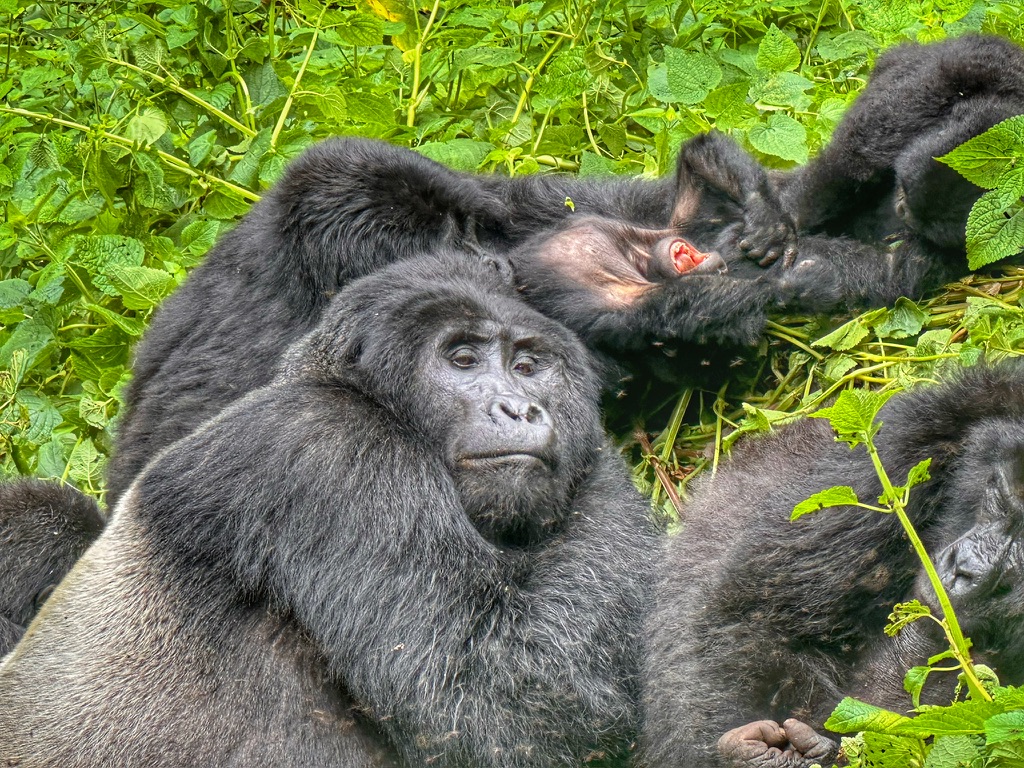
The moment that anchors the entire journey, the one Lukens returns to again and again when she tells the story, happened deep in Uganda's Bwindi Impenetrable Forest. Trekking through dense vegetation to find a family of mountain gorillas, she came face to face with something that defied expectation. A magnificent silverback presided over the group while babies climbed, played and explored with an ease and familiarity that felt startlingly close to human. Lukens describes the experience as "truly mind-blowing," noting that "there was something almost surreal about looking into the eyes of an animal that feels so incredibly close to us." She spent an hour watching them in near silence, and says she still feels as though she had only just begun to understand them.
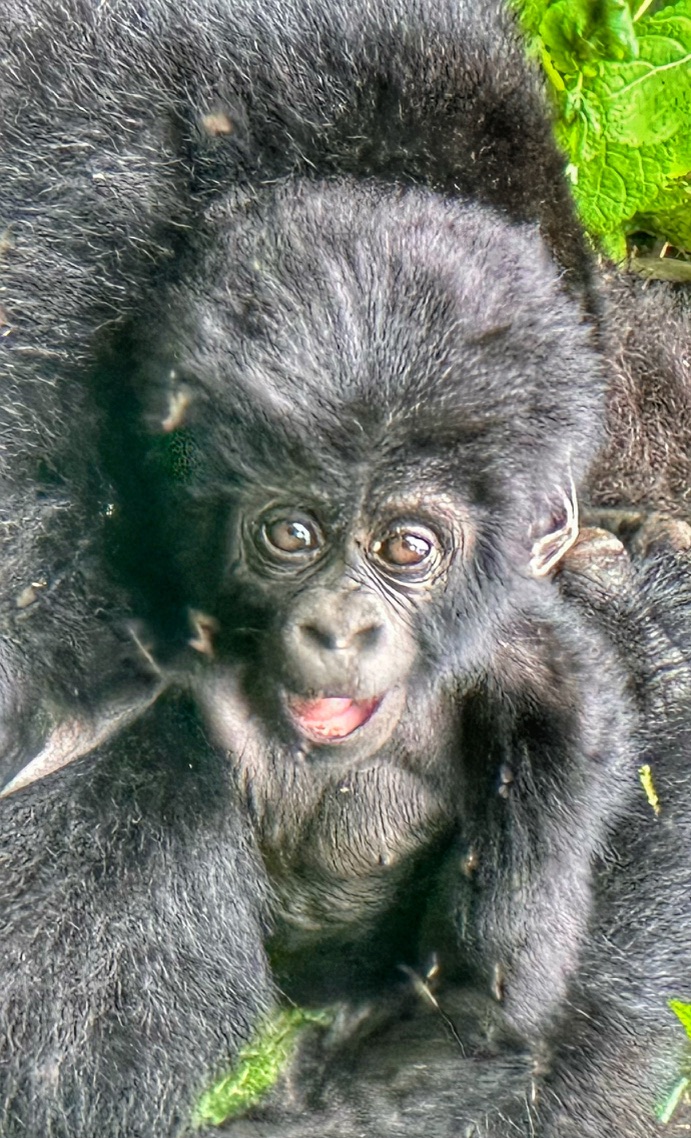
It was also the moment that began to reshape what she thought she knew about Africa as a destination. Lukens had anticipated incredible wildlife. She had not anticipated how intimate and personal the entire experience would feel. "I expected incredible wildlife, of course, but I didn't expect the experience to feel so intimate and personal," she reflects. That intimacy would follow her across every border she crossed.
The Kenyan Savanna: Senses on Full Alert
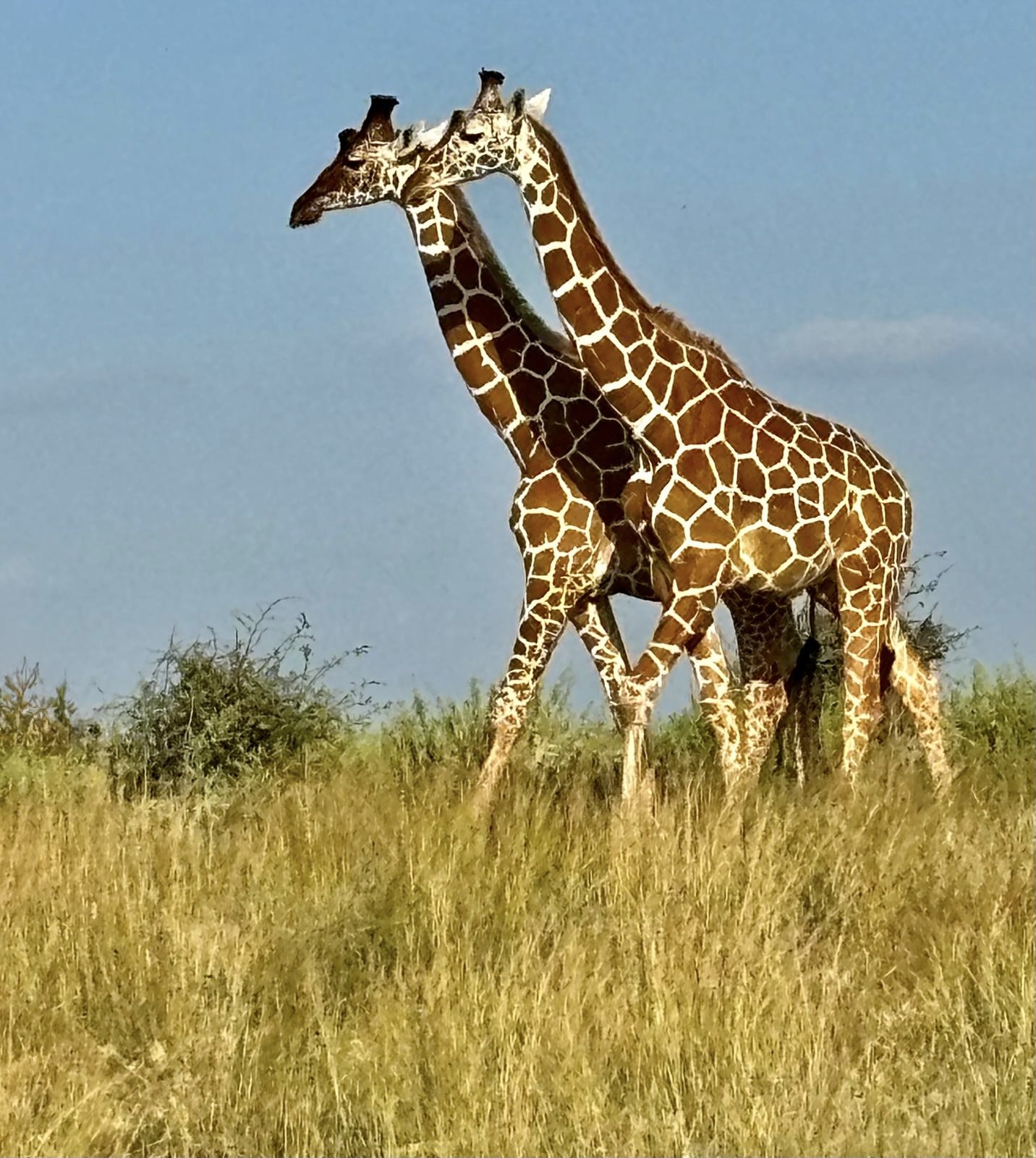
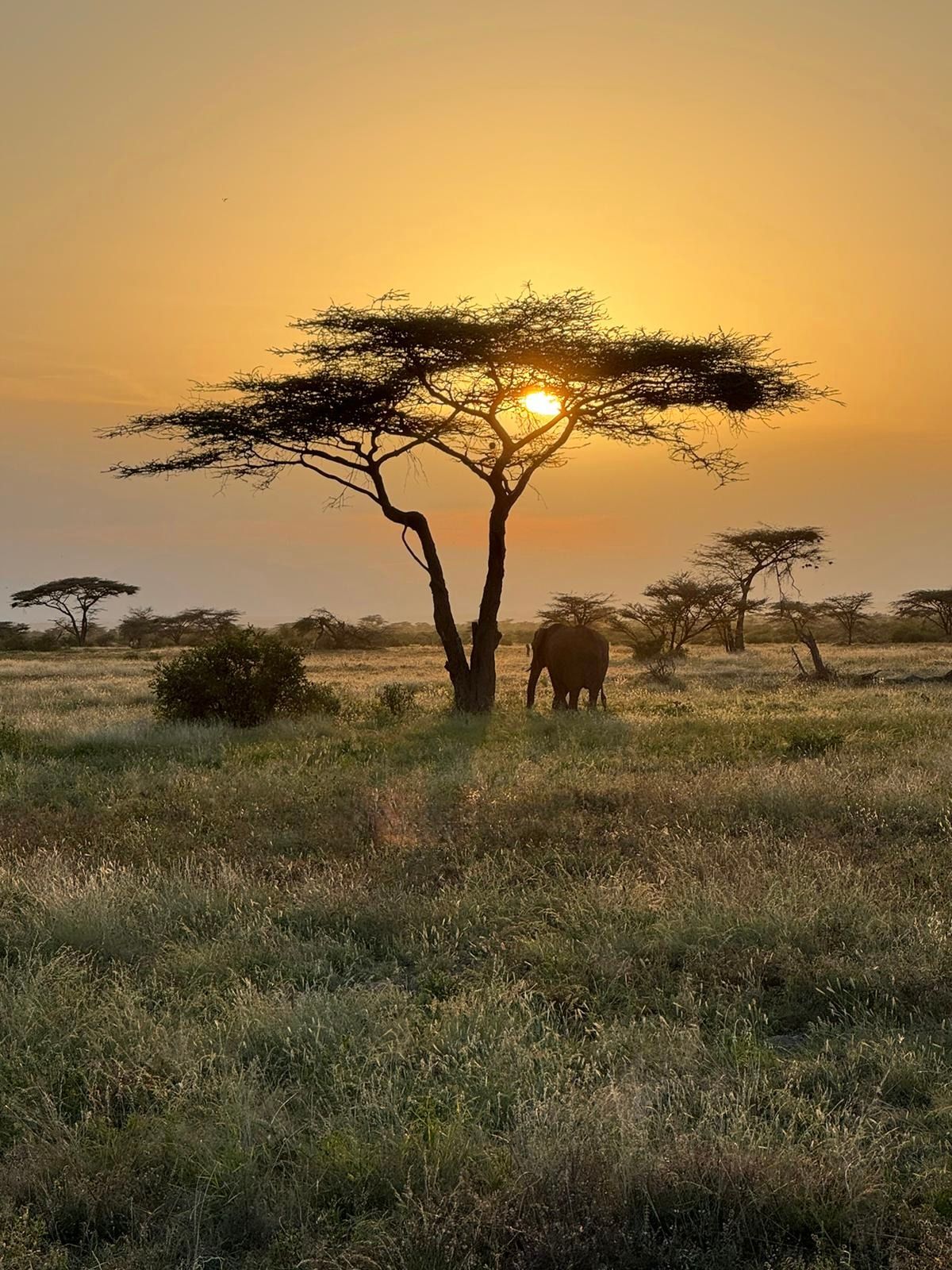
Arriving at the first camp in Buffalo Springs National Reserve in northern Kenya felt, in Lukens' words, like "stepping into a storybook." Giraffes moved with effortless elegance through the landscape. Elephants approached the open jeep with a curious confidence that surprised even the most seasoned members of the group. Rhinos and hippos moved through the terrain as though entirely unbothered by the human observers nearby. The birdlife was relentless in the best possible way, with new species appearing at every turn.
But it was the sounds of Africa that caught Lukens most off guard. One morning, before the sun had risen, the group left camp in complete darkness. Just beyond the entrance gate, a kill had taken place. Before anyone could see anything, they could hear it: the eerie, spine-tingling calls of hyenas gathering around the remains of a Cape buffalo taken down by lions. It was raw, wild and utterly exhilarating. "Sitting there in the darkness, listening to the sounds of the wild unfolding just feet from our vehicle, was exhilarating," she says. "It was intense, raw, completely wild and absolutely unforgettable."
Those predawn departures became one of her most important professional takeaways. The early-morning game drives, she now understands, are not simply about avoiding the midday heat. They are when the bush is at its most alive, and when the safari reveals itself most honestly. Her biggest insider tip for any traveller heading to East Africa is simple: don't sleep in.
Beyond the Wildlife: A Classroom in the Mara
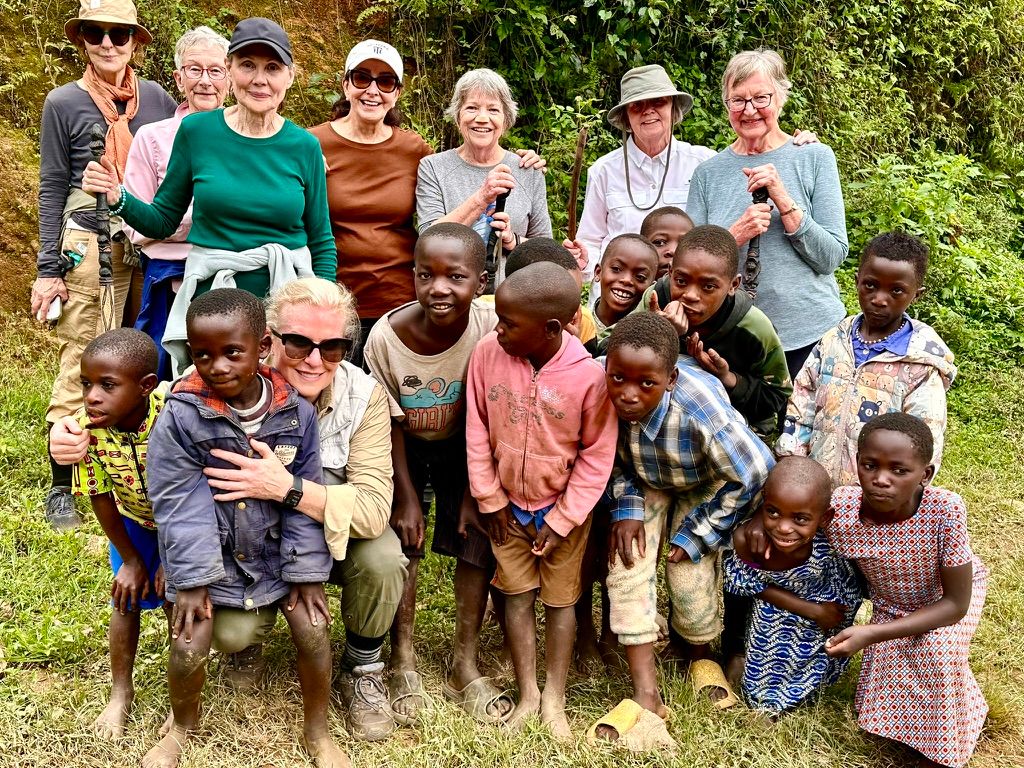
In the Masai Mara, it was not a predator sighting or a dramatic landscape that stayed with Lukens most deeply. It was a visit to a local school. The children were in class when the group arrived, engaged in their lessons with curiosity and enthusiasm. Lukens was particularly struck to discover that all of their reading materials were in English. The encounter offered a glimpse into everyday life that no safari vehicle could ever provide, and it underscored something she had been absorbing throughout the entire journey: that Africa is far more than its spectacular wildlife.
"Africa is so much more than the spectacular animals and landscapes we travel there to see," Lukens reflects. "It is a place of people, culture, community and extraordinary contrasts, and that was perhaps the biggest surprise of all." It is a perspective she now carries directly into how she plans and recommends travel for her clients.
Who This Journey Is For
Lukens is thoughtful and precise when she describes the ideal traveller for this kind of trip. It is for the curious and adventurous, someone who loves wildlife, photography and the thrill of not knowing what might appear around the next corner. It is for the person who can appreciate both the spectacular and the subtle, waking before dawn to birdsong, watching a herd of elephants gather, or sitting quietly as the landscape comes alive. Women travelling together, she adds, will find something particularly meaningful in sharing these moments as a group.
It is not, however, a journey for everyone. Those who need a predictable schedule, dislike early mornings or expect each day to be built around luxury and relaxation may find themselves tested. "A safari requires patience, flexibility and a willingness to let nature set the agenda," she explains. "You may spend hours searching for an animal and see nothing, only to have a completely unexpected encounter that becomes the highlight of your entire trip."
What First-Hand Experience Changes
Perhaps the most significant shift Lukens takes away from this journey is not about East Africa specifically, but about the nature of travel planning itself. The best trips, she now believes more firmly than ever, are not built around checking famous places off a list. They are built around understanding the individual traveller, what they hope to feel, what pace suits them, what kind of beauty moves them. "My job isn't simply to know where to go," she says, "but to understand why someone wants to go and then build the journey around that."
She will now plan East African itineraries with a new precision, paying closer attention to camp locations, pacing and the balance between adventure and rest. She will set expectations with more honesty and more confidence. And she will ask better questions, not just about which animals her clients hope to see, but about what kind of experience they are truly ready to have.
As for what comes next, Lukens is characteristically undaunted. Africa left her wanting more, and she knows there are still vast corners of the continent she has yet to explore. But wherever the next journey takes her, she carries a clear sense of purpose. "The next adventure is always somewhere on the horizon," she says, "and I can't wait to see where it takes me."