Canadian travel advisor Autumn Fiske returned from a week living like a local across Havana, Viñales, and Trinidad, and what she found in Cuba's kitchens, dance floors, and cobblestone streets has permanently changed how she talks about the island with her clients.
At a Glance
Cuba's authentic cuisine emerges in locally-run restaurants and homestays, not resort buffets. Travel advisor Autumn Fiske discovered that Cuban cooking emphasizes fresh ingredients with minimal spices, served at kitchen tables in Casas Particulares across Havana, Viñales, and Trinidad. Immersive homestay experiences reveal the island's genuine culinary and cultural character.
Cuba has long held a complicated reputation among Canadian travellers. The flights are affordable, the beaches are warm, and the island welcomes visitors from Canada with genuine enthusiasm. Yet for years, Autumn Fiske kept hearing the same quiet complaint from clients returning from their all-inclusive getaways: the food was bland. It was a claim that nagged at her, one she could not fully address until she went to see for herself.
What Fiske found when she finally landed in Cuba was something altogether different from the resort-buffet experience most Canadians bring home in their suitcases. Trading the familiar comfort of a five-star resort for a series of Casas Particulares, the beloved Cuban homestay tradition, she spent a week moving between Havana, Viñales, and Trinidad, sleeping in spare rooms offered by local families and eating breakfast at kitchen tables where the hosts did the cooking. The verdict on Cuban food? "The food is not bad in Cuba," Fiske says plainly. "It's where you go that will tell the story of the soulful food."
Mornings, Mini Bananas, and the Freshness of Real Cuban Cooking
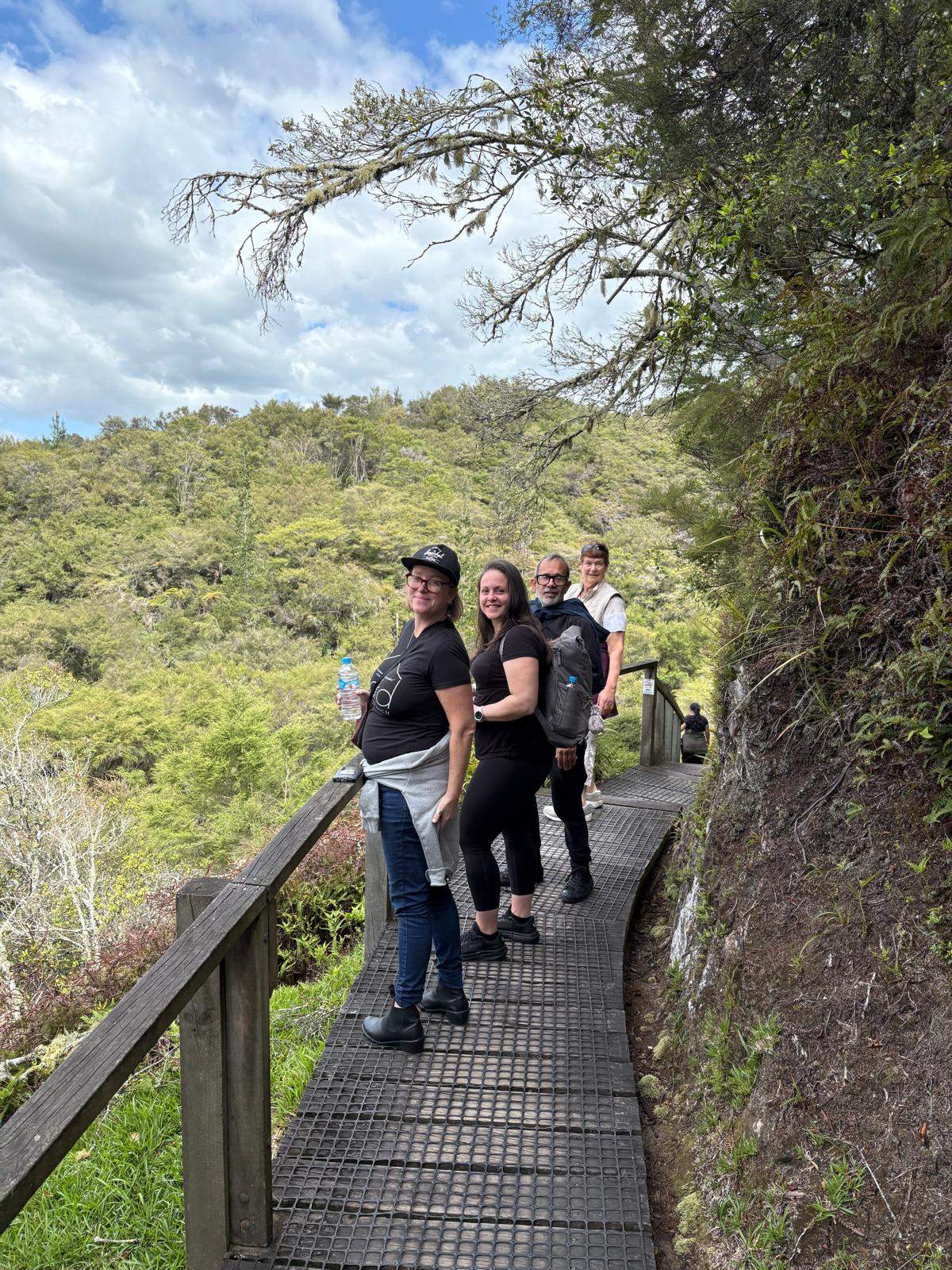
Each morning in her homestays began with a spread that dismantled the bland-food myth entirely. Fresh fruit arrived first, including what Fiske describes as her beloved mini bananas, followed by omelets prepared by the host. It was simple, unhurried, and deeply local. A day trip out to Cayo Levisa, a slender island off the north coast of Pinar del Río, added another layer to the culinary picture, with seafood served at small waterside restaurants that drew their ingredients straight from the surrounding sea.
The key insight Fiske carried home is one that transforms how travellers should approach eating in Cuba. Locally run restaurants, the kind tucked down residential streets rather than anchored to resort lobbies, are where the real cuisine lives. "Cubans don't cook with a lot of spices," she notes, "as they let the fresh ingredients taste for themselves." It is a philosophy of restraint that rewards the curious traveller willing to wander a little further from the poolside menu.
A Dance Floor in Trinidad That Changed Everything
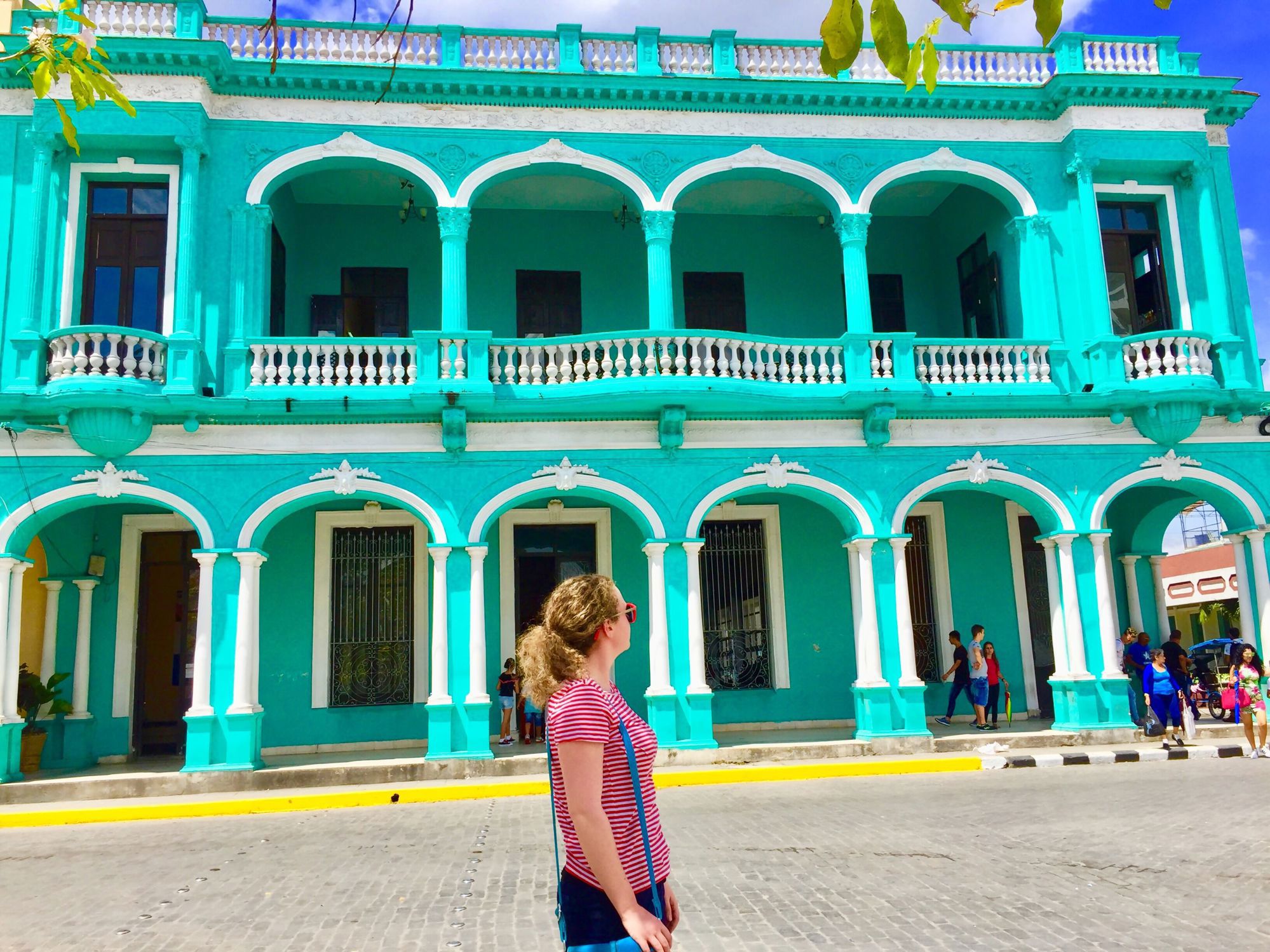
Food was not the only revelation. In the colonial city of Trinidad, a UNESCO-listed jewel of terracotta rooftops and pastel facades, Fiske signed up for a salsa dancing lesson with a small group of fellow travellers. She arrived self-deprecating about her own coordination, and left transformed. That evening, the group made their way to a local club humming with both residents and visitors, and the floor became something of a social miracle. The locals, Fiske recalls, were generous and skilled partners. "My guy actually made me look and feel like I hadn't just learned salsa a few hours ago," she says, still clearly delighted by the memory.
It is the kind of moment that no resort itinerary can manufacture, an unscripted evening where a dance lesson becomes a genuine cultural exchange. For Fiske, it crystallised what sets an immersive Cuban experience apart from a conventional beach holiday. "There is more to Cuba beyond the all-inclusive resort," she says. "If you are looking for a truly immersive cultural experience, stay in homestays in partnership with a trusted tour operator."
The Practical Details That Make or Break a Cuban Trip
As a travel advisor, Fiske is acutely aware that the most memorable trips are often underpinned by the least glamorous logistics. Cuba's currency situation is one of those details that can catch visitors off guard. The Cuban Peso, or CUP, is the local currency, and Canadian dollars can be exchanged into pesos at official CADECA exchange offices upon arrival. However, there is a critical rule that travellers must understand: it is prohibited to carry Cuban Pesos out of the country. Fiske advises clients to spend down or exchange any remaining CUP before reaching the airport, as CADECA queues there can be frustratingly long. Planning the exchange earlier in the day, or even the day before departure, is strongly recommended.
On the question of flights, Fiske is equally direct. Cuba is served from Canada through three main international airports, Havana, Varadero, and Holguín, and with the island actively rebuilding its tourism sector, she expects demand to rise quickly. Booking flights well in advance, she advises, is no longer simply a money-saving tactic. It may soon become a necessity.
Cuba's Comeback and What It Means for Travellers
The timing of Fiske's visit is not incidental. Cuba's tourism numbers dipped this past year as fuel and energy challenges rippled through the island's infrastructure, and some Canadian travellers quietly crossed the destination off their lists. But a recent announcement from the Cuban Tourist Board, accompanied by a package of 176 free-market reforms, signals a decisive pivot toward revitalising the country's tourism sector with a focus on sustainability and resilience. For Fiske, this is not background noise. It is a signal she is already sharing with clients who have been on the fence.
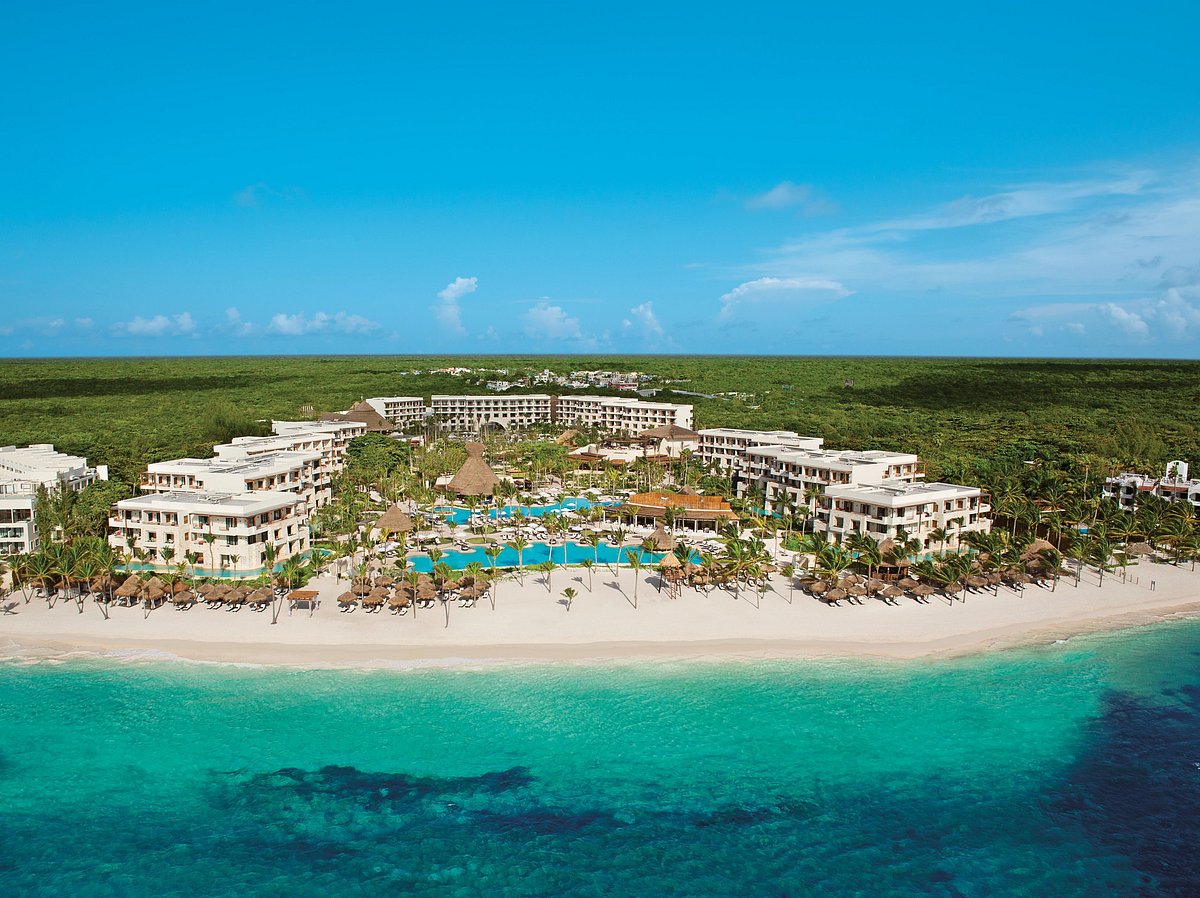
For those weighing whether Cuba is the right fit, Fiske is refreshingly candid. Travellers who prefer the ease and comfort of a fully contained all-inclusive, with beach access and resort amenities filling the bulk of their days, are perfectly served by Cuba's resort corridor and should embrace it. But for those craving something richer, more textured, and genuinely connected to the place they are visiting, the homestay route she travelled offers a Cuba that most package tourists never see.
Looking Ahead: Two Wheels and Limestone Hills
As for what comes next, Fiske is already planning a return. She has her eye on Cuba as an adventure cycling destination, drawn by its quiet rural roads, the dramatic mogote limestone hills of Pinar del Río, and the stretch of coastline along the Ancón peninsula near Trinidad. She wants to pedal past the Cueva de los Portales, the cave where Che Guevara once made his headquarters, and lose herself in the green interior of the island at a pace that only a bicycle allows. "I'd like to go back to Cuba and stay in Casas Particulares again," she says, "but this time I want to change my theme." It is the kind of forward-looking enthusiasm that only comes from a traveller who left a place feeling like she had only scratched the surface, and a professional who knows exactly how to lead her clients to what lies beneath it.