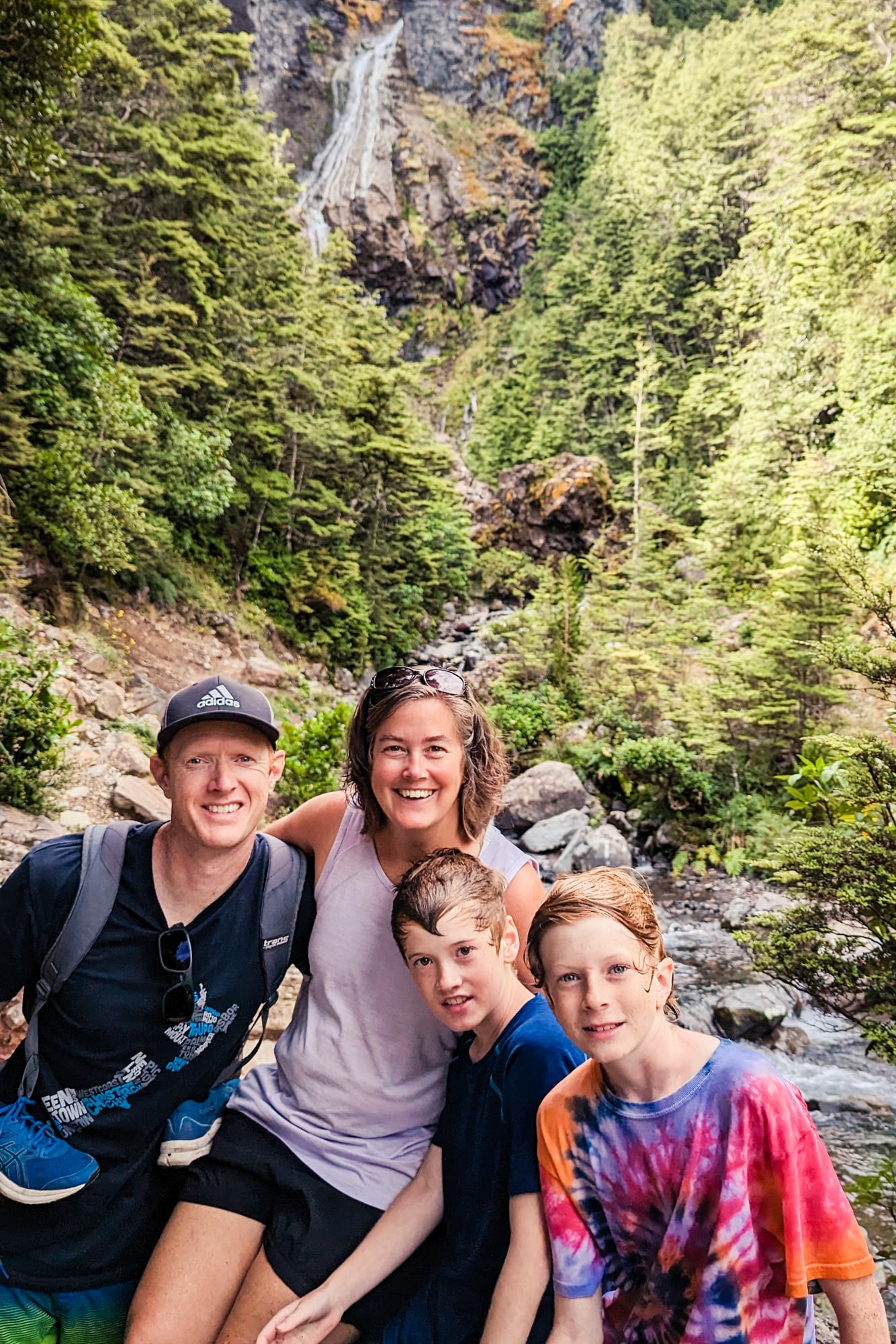
Calgary travel advisor Marcy Bond turned a last-minute flight deal into a bucket-list family adventure in La Fortuna, and the lessons she brought back are already changing how she sends families to Costa Rica.
At a Glance
Costa Rica's shoulder season in May offers sunshine, lower crowds, and flexible last-minute booking opportunities despite being technically rainy season. Families can self-drive manageable jungle roads, spot wildlife freely without expensive tours, and stay at family-friendly resorts like Las Lagos with volcano views and hot springs included.
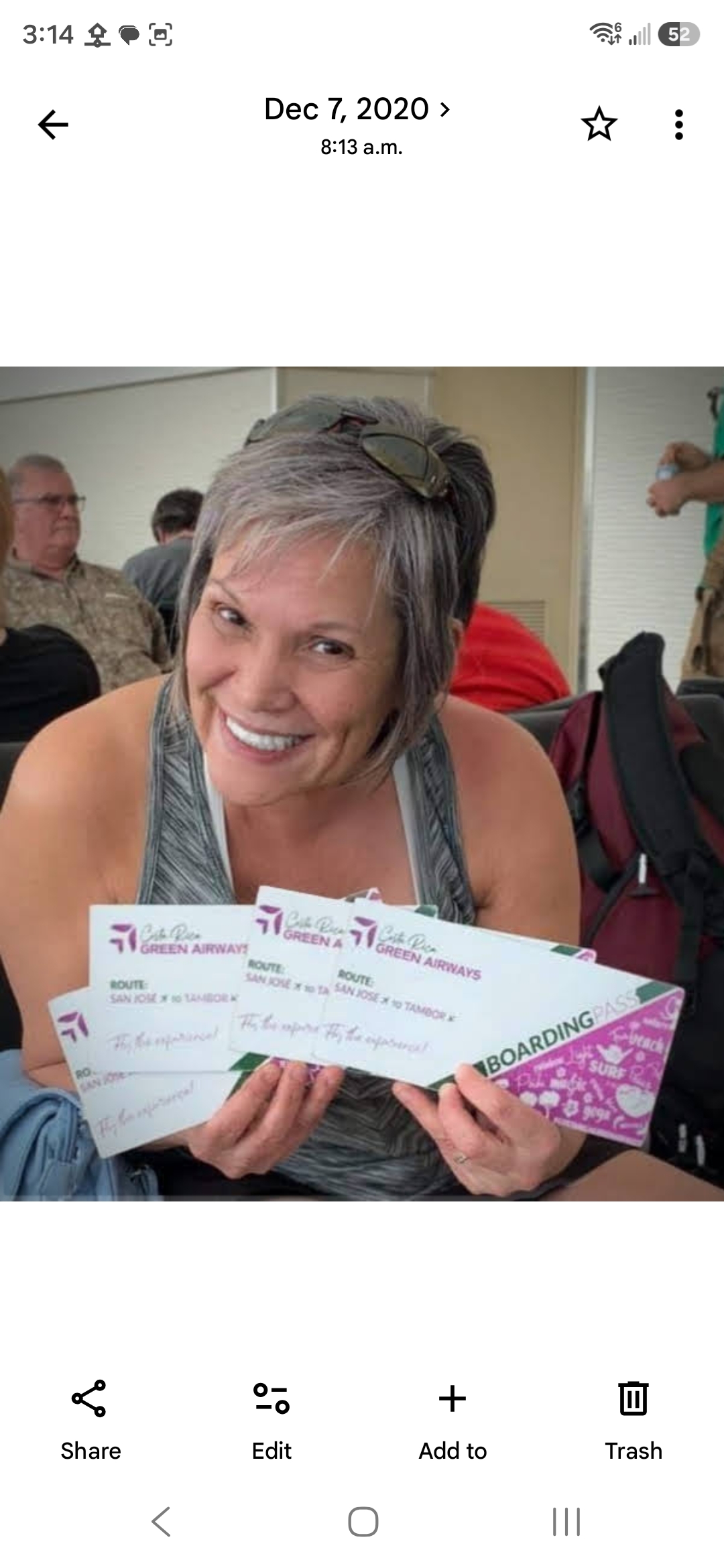
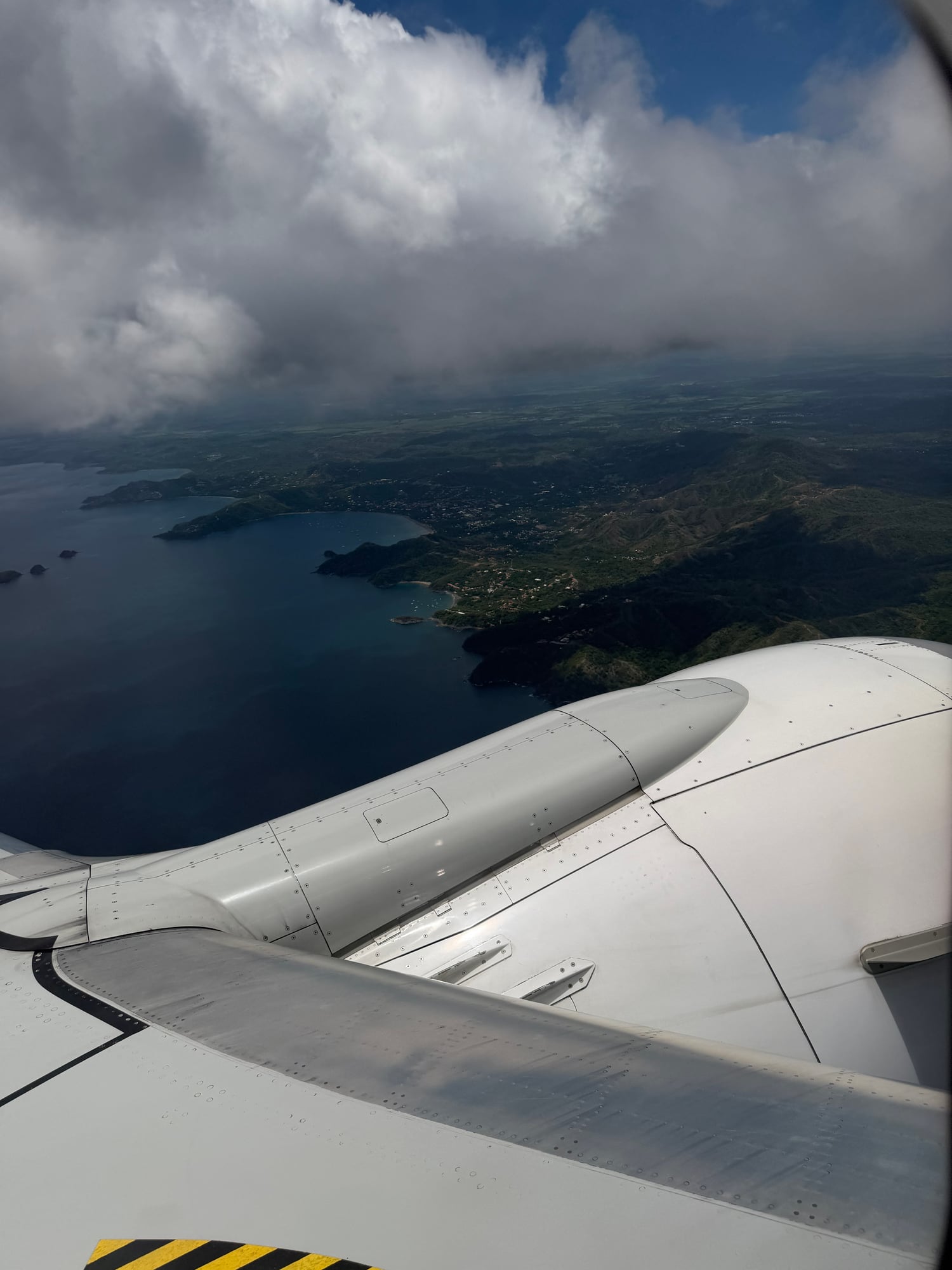
It started with a number that stopped the scroll. Five hundred dollars per person, direct from Calgary to Liberia, on WestJet. For Marcy Bond, a travel advisor who keeps one eye on deals and the other on her family's next adventure, it was too good to leave on the table. Within moments, a bucket-list trip to Costa Rica became a real itinerary, one she designed herself, road by jungle road, for her family. What she could not have planned for was the sloth.
"We saw a sloth on our daily drive, just on the side of the road, and we watched him each day," Bond recalls, her voice still carrying the quiet delight of the memory. That sloth, unhurried and utterly unbothered, became a kind of mascot for the trip. A daily ritual on an otherwise unremarkable stretch of road near La Fortuna. No guided tour required. No fee collected. Just a family pulling over, again and again, to watch a creature that seemed to exist entirely outside the concept of rushing.
It was, in many ways, the perfect introduction to what shoulder-season Costa Rica had to offer.
A Resort Built for Families
Bond's instincts as an advisor were evident from the first booking. She selected Las Lagos Resort for reasons that went well beyond the brochure. The rooms were enormous, fitted with two king beds and pull-out beds tucked beneath them, a configuration she recognized immediately as a solution for large families who are often squeezed into awkward configurations at other properties. But Las Lagos delivered far beyond square footage.
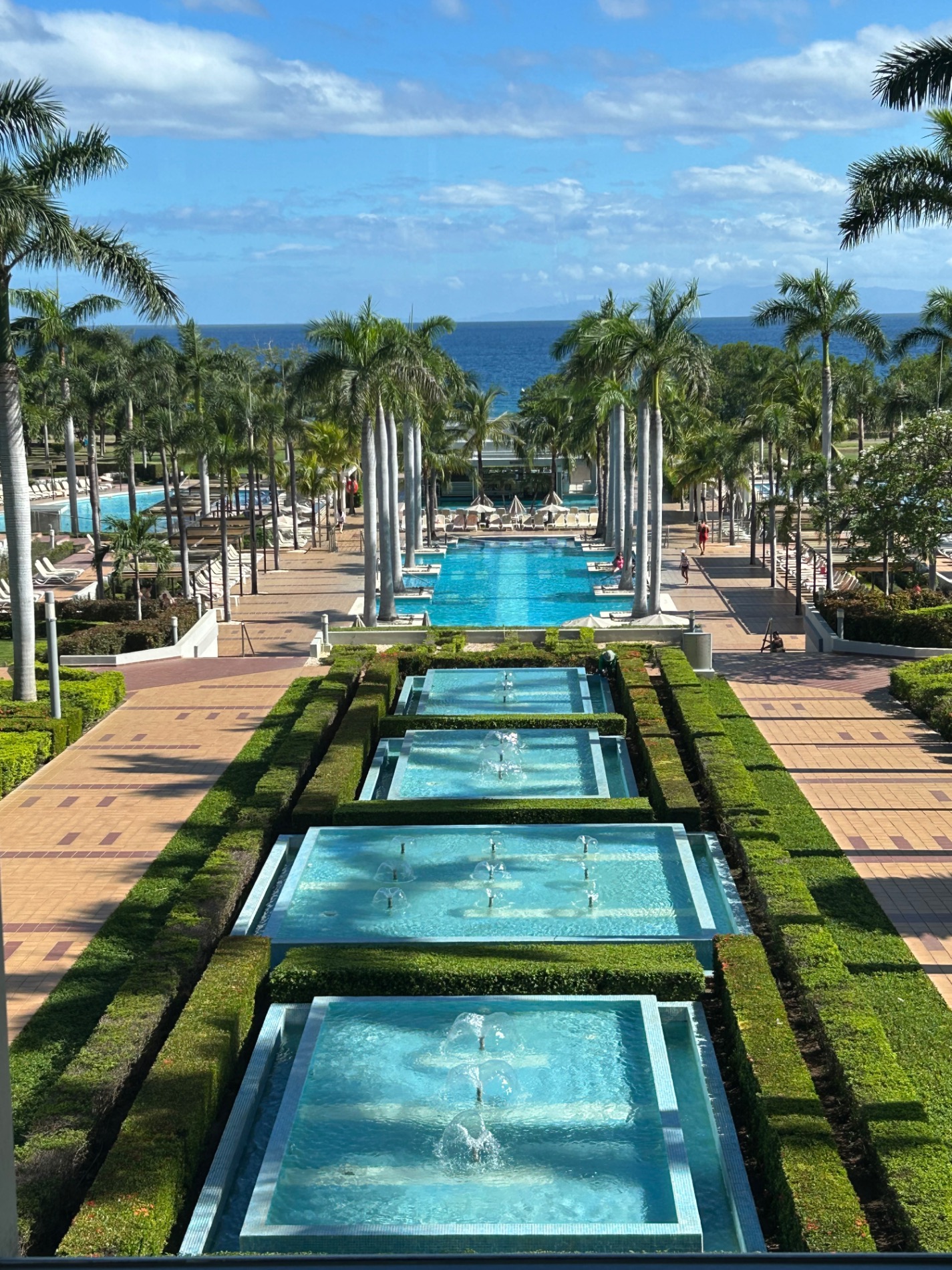
Bond describes the resort as having "everything for us right on the grounds, a nature walk, amazing views of the volcano, breakfast included, tons of different pools with hot springs at different temperatures." The image she paints is generous and sensory. Steaming pools at varying warmth scattered across the grounds, a volcano rising beyond the tree line, breakfast waiting each morning before the day's adventures began. For a family trip built around flexibility, it was the ideal home base.
Monkeys made an appearance away from the resort, too. During one beachside lunch, Bond and her family found themselves sharing the meal with rather uninvited, and entirely welcome, guests. "Monkeys at the restaurant when we ate lunch by the beach one day were phenomenal," she says, laughing at the memory. It is the kind of moment that cannot be manufactured or booked in advance. It simply happens, to the people who show up.
What Everyone Gets Wrong About the Jungle
Bond arrived in Costa Rica carrying the same assumptions many travellers do. Rainy season means rain. The jungle means bugs. The roads are rough and the crowds are constant. One by one, those assumptions were quietly dismantled.
May, technically the start of the rainy season, delivered sunshine and privacy in equal measure. When rain did fall, it was brief. More importantly, the visitor numbers were dramatically lower, giving the Bond family access to experiences that would have required far more planning, and far more patience, in peak season. "We could book things last minute, keep our schedule flexible," Bond explains. "And that was just great."
The roads through the jungle, often cited as a deterrent by cautious travellers, were narrower than expected but entirely manageable by day. Bond chose to avoid driving them after dark, a reasonable preference rather than a hard rule. And the bugs, that perennial concern for jungle-bound families? "Something that really surprised me was the lack of bugs in the jungle," she admits. It is the kind of ground-truth detail that only comes from actually being there, the sort of reassurance that no amount of research can replicate.
Renting a car, a decision the family approached with some hesitation, proved to be one of the trip's smartest moves. It kept costs lower than relying on shuttle drivers and, crucially, kept the schedule in the family's hands.
Insider Tips That Only Come From Going
Bond returned from La Fortuna with a short list of practical insights that she now considers non-negotiable for any family she sends to the region.
The first is currency. Vendors across the area accept both Costa Rican colones and US dollars, and the exchange rate advantage shifts between the two depending on the transaction. Carrying both, Bond learned, stretches a travel budget in ways that are invisible to anyone who arrives with only one currency in their wallet.
The second is the rope swing in La Fortuna. Free to use and consistently busy, it entertained the Bond boys across two separate afternoons with nothing more than people-watching, monkey-spotting, and the simple pleasure of a swing over water. Parking carries a small charge during peak hours, but Bond discovered that arriving after four in the afternoon often means avoiding both the fee and the crowds.
The third, and perhaps most transferable, is her approach to wildlife tours. "Save those expensive tours for the end of the trip and only go on them if you don't see the wildlife on your own for free," she advises. Given that toucans, hummingbirds, parrots, and monkeys appeared without prompting throughout the trip, including at a beachside lunch table, the expensive tours may never be necessary at all.
The Moment That Defined the Trip
If there is a single image that captures what this trip meant to the Bond family, it is not the volcano view or the hot spring pools, beautiful as both were. It is a chocolate tour with Don Jorge, a local operator Bond recommends by name in a region where competition among tour companies keeps quality high and prices honest.
The tour covered the agricultural roots of the region, moving through chocolate, sugarcane, and coffee production with the kind of hands-on engagement that turns information into memory. There was a cenote on the property. There were tastings at every turn. And then, at the end, something simple and irreplaceable. "The boys really enjoyed the tour and we got to make our own chocolates and taste coffee that we created," Bond says. The warmth in that sentence is the warmth of the whole trip, shared discovery, family-scaled joy, and the particular satisfaction of making something with your hands in a country that grows it from the ground.
The Advisor Who Did the Trip First
Bond left Calgary as a mother chasing a good deal. She came home as an advisor who has driven the roads, tested the pools, timed the rope swing, and tasted the chocolate. The blueprint she wished she had before the trip is now the blueprint she carries for every family she sends after her.
Her recommendation to those families is built on what she lived: book the car, carry both currencies, choose May, stay flexible, and let the wildlife come to you before spending a colón on a guided tour. It is advice that only means something because she was there to earn it.
As for what comes next, Bond is already watching the deals. "Looking for a good deal and looking for an adventure that will peak my family's interest," she says, with the calm certainty of someone who knows that the next bucket-list trip is already out there, waiting for the right number to stop the scroll.