With a Colombian partner as her personal guide, travel advisor Autumn Fiske has unlocked a side of Colombia that most visitors never get to see, and she's bringing every lesson back to her clients.
At a Glance
Colombia contains diverse climates across regions: Bogotá sits at high altitude with cool air, while Salento and coffee regions are warm and lush. Travelers should pack layers for different zones, fly between cities rather than drive due to mountainous terrain, and expect a mandatory tourist tax of approximately one hundred Canadian dollars upon arrival at customs.
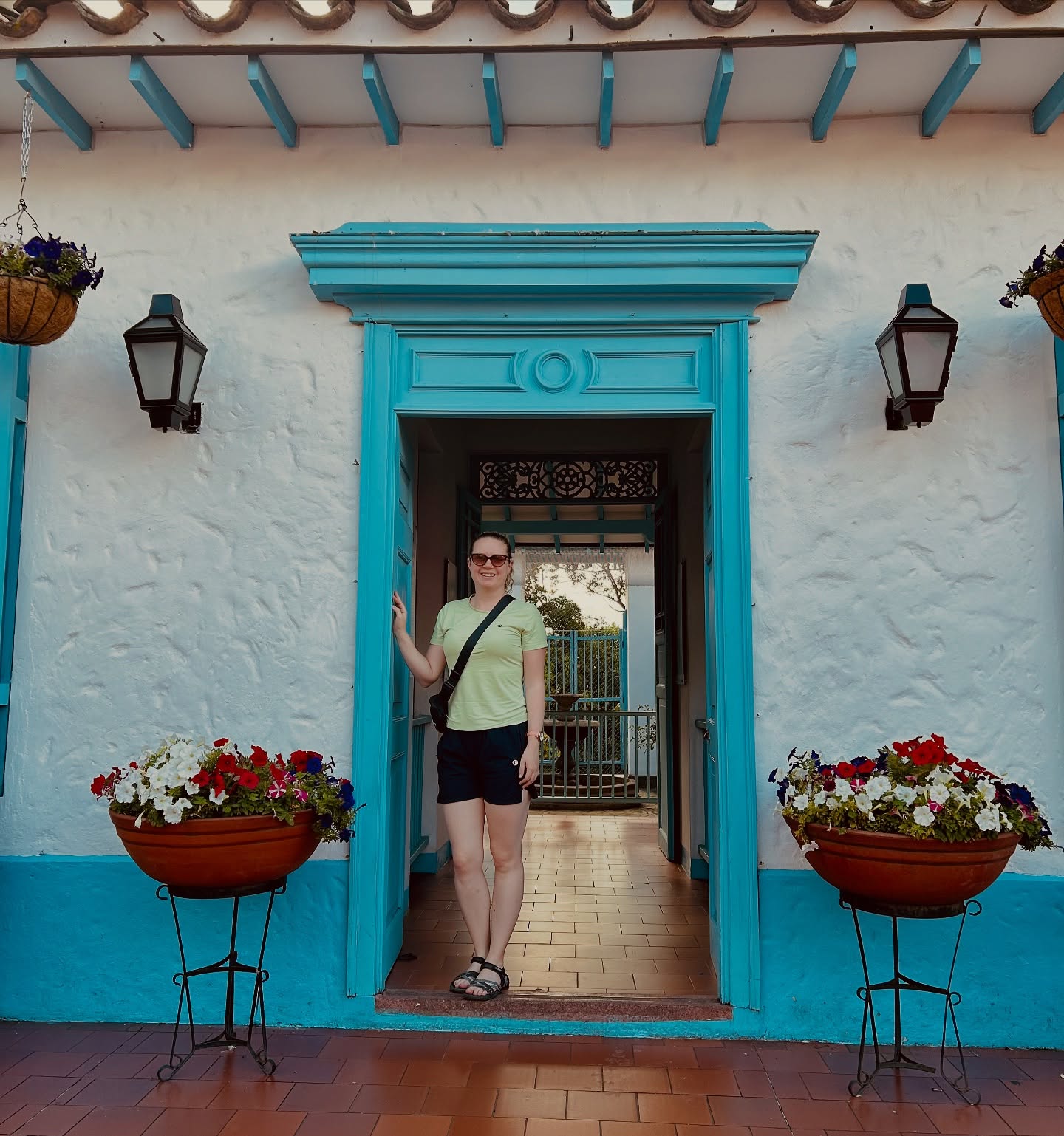
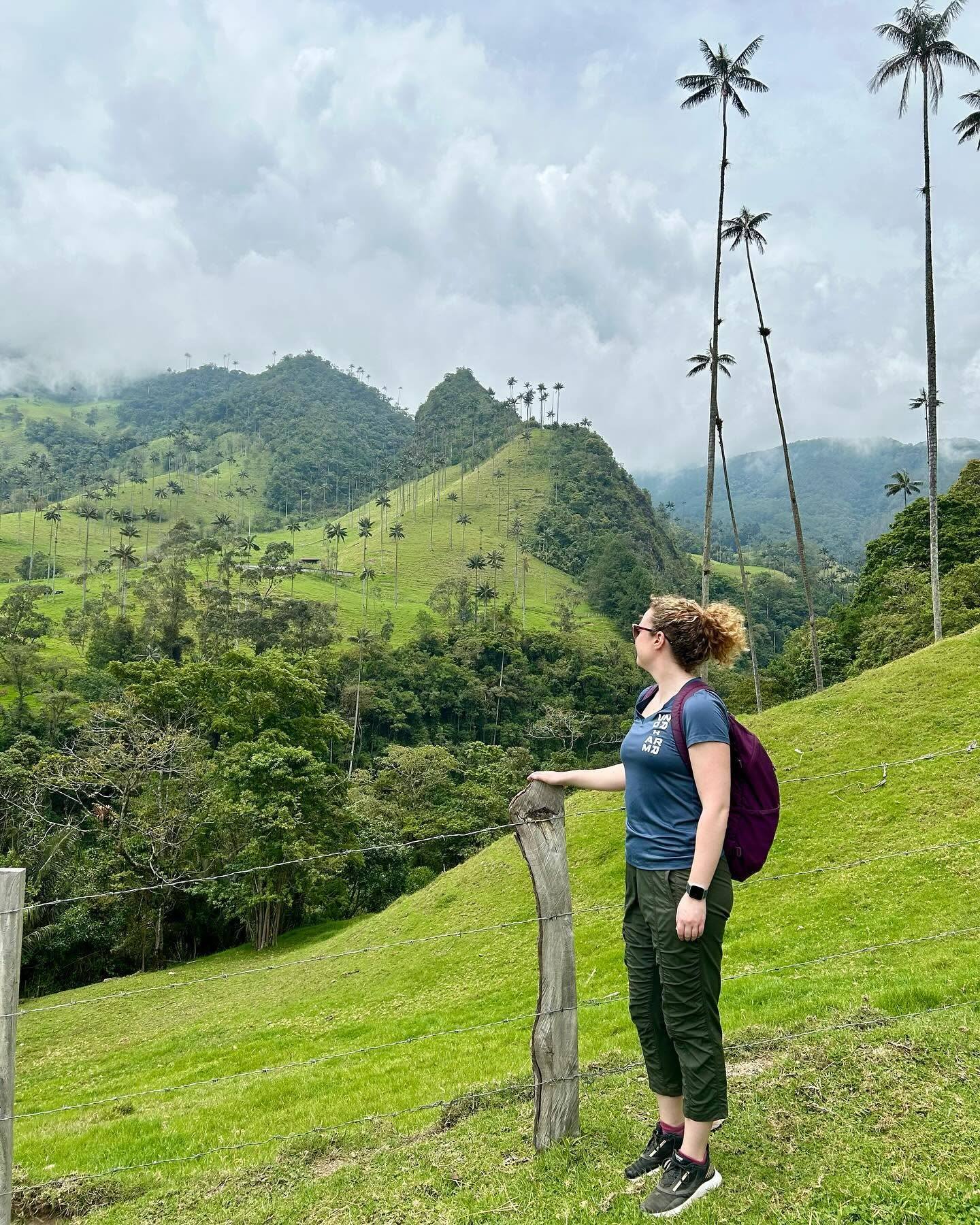
Most travel advisors recommend destinations. Autumn Fiske lives them. Every year, the Canadian travel professional returns to Colombia with her partner, who was born in the city of Pita, near the lush coffee region of Salento and the iconic Cocora Valley. What began as annual visits to see family has evolved into something far richer: a deep, layered understanding of one of South America's most misunderstood and magnificent countries.
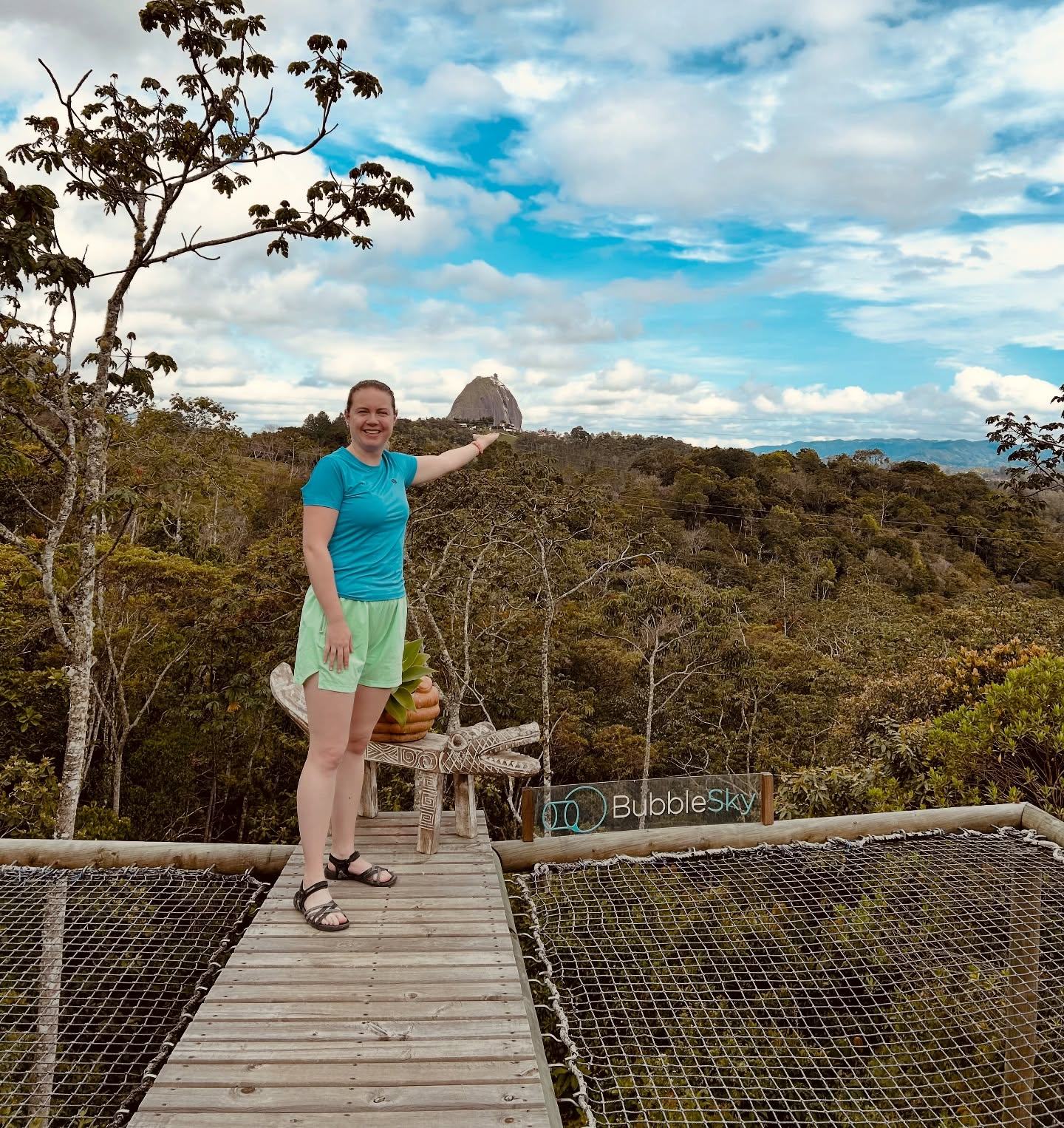
"Colombia is one of the most colorful countries I have ever been to," Fiske says, and she means it in every sense. Over the years, she and her partner have wound through Bogotá's high-altitude streets, marveled at the rock formations of Guatapé, soaked in the natural hot springs of Santa Rosa de Cabal, and explored the colonial grandeur of cities that have been lovingly preserved for centuries. Each trip has added a new layer to her expertise, and a new story to tell her clients.
A Community Reborn Through Art and Empanadas
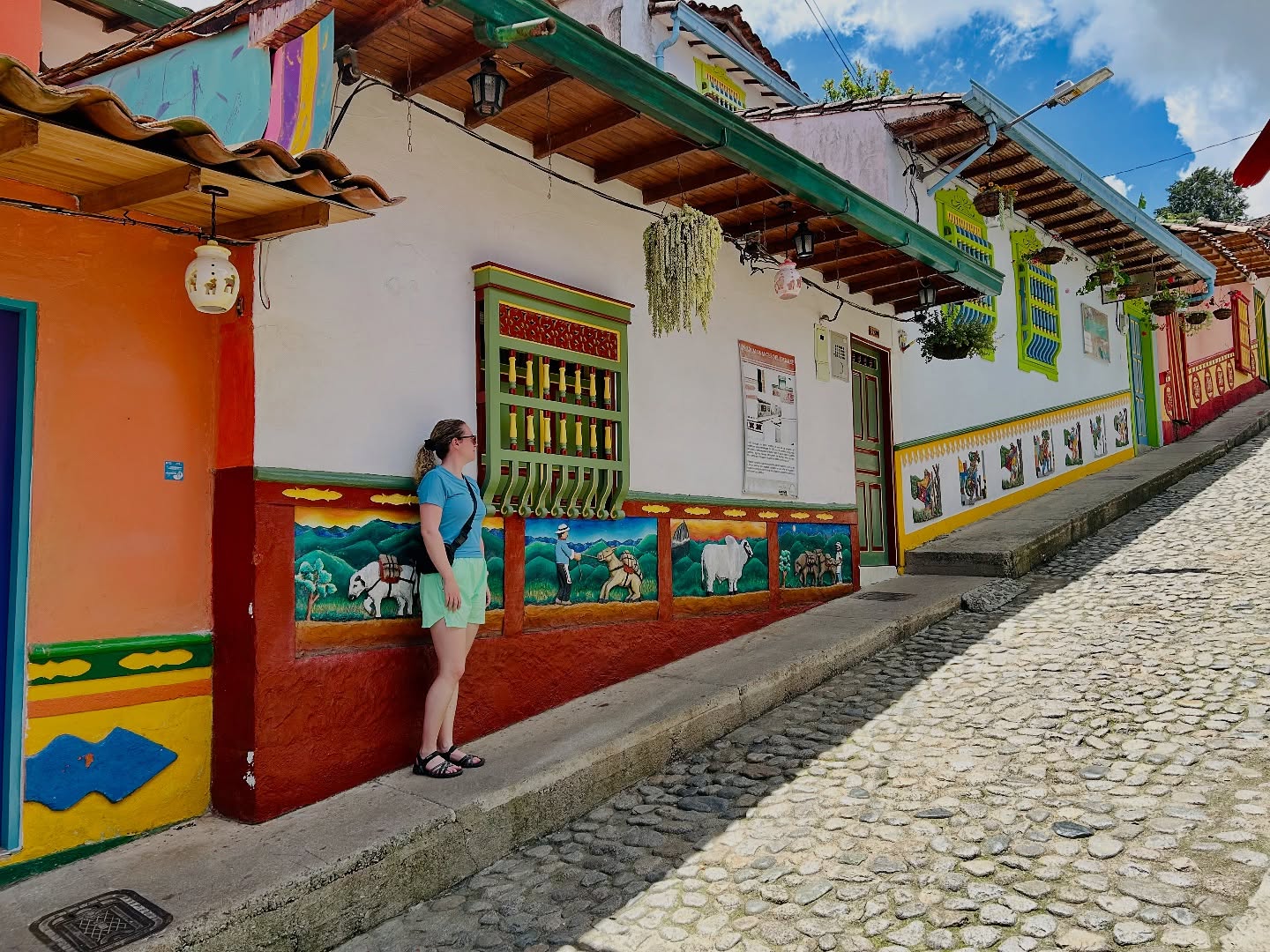
If there is one place Fiske returns to in conversation again and again, it is Medellín's Comuna 13. Once one of the most dangerous neighborhoods in a city that was itself once considered one of the most dangerous in the world, it has undergone a transformation that she finds nothing short of extraordinary. "This used to be a very poor, very dangerous place, but because of tourism it is bringing the street life and the street dancing and the street food to life," she explains. "You can see many colorful artworks of intentional graffiti." She pauses before adding, with genuine warmth, that "the empanadas in Comuna 13 were absolutely delicious as well." It is exactly the kind of detail, equal parts cultural and sensory, that only comes from someone who was actually there, standing in the sun, watching dancers move beneath murals that stretch three stories high.
Packing for a Country That Contains Multitudes
One of the most common misconceptions Fiske encounters from clients dreaming of Colombia is the assumption that it is uniformly tropical and hot. Before her first visit, she held that same assumption herself. The reality, she discovered, is far more nuanced. Bogotá sits at high altitude, and the air there carries a cool, crisp bite, especially on the slopes of Monserrate, the famous pilgrimage hill that looms over the capital. Hiking it, she found, is "quite a strenuous trek," and the chill at elevation is real. Meanwhile, head south toward Salento and the coffee region, and the climate shifts entirely into something lush and warm. Her practical advice to clients is straightforward: "If you're planning to travel to different regions of Colombia, I recommend you pack different types of clothing. Layers for the capital's high altitude and clothing that's a bit cooler if you're going to places like Salento or many of the coffee regions."
The Road Less Traveled, For Good Reason
One of the most hard-won lessons Fiske has carried home came not from a highlight, but from a humbling miscalculation. On one visit, she and her partner decided to rent a car and drive across the country, eager for the kind of freedom that road trips promise. What they encountered instead was a reminder of Colombia's dramatic geography. The country has no flat highway network to speak of. Mountains dominate the landscape, and what looks like a short distance on a map can translate into an eight-hour drive. The journey from Bogotá to the Guatapé region, less than 300 kilometres as the crow flies, is a case in point. "There's a reason why this is not such a popular method of travel," Fiske says now, with the good humour of someone who has earned the wisdom. Her recommendation is clear: fly between cities. Domestic flights in Colombia are easy, affordable, and short, and they leave travelers with far more energy to actually enjoy the destination waiting on the other side.
Who Colombia Is For, And Who Should Wait
Fiske is thoughtful when asked which clients she would send to Colombia and which she might gently steer elsewhere, at least at first. For seasoned travelers, she is unequivocal. Colombia, she says, is "a destination for those that want all of their five senses engaged." The diversity of experiences, from rainforest treks to colonial city wandering to Caribbean coastline, makes it a place that rewards curiosity and adaptability. For those newer to international travel, she suggests easing in, perhaps beginning with a cruise stop at the port of Cartagena on the Caribbean coast, a stunning, manageable introduction to the country's charms before committing to a full immersion.
The Insider Detail That Could Save Your Trip
Even the most prepared traveler can be caught off guard by bureaucratic specifics, and Fiske has made it her mission to spare her clients that stress. For Canadian passport holders arriving in Colombia by air, there is a mandatory tourist tax of approximately one hundred Canadian dollars that must be paid upon arrival at customs. It cannot be paid online or in advance. "Don't fall for those scam websites that say click here and you'll get your tourist tax paid for," she cautions. "It has to be paid as soon as you arrive in customs and they only accept credit card." It is the kind of tip that sounds small until you are standing at a customs desk, unprepared, with a line of travelers stretching behind you.
South America as a Lifelong Journey
Perhaps the most resonant insight Fiske has drawn from her years of returning to Colombia is one that extends well beyond a single country. South America, she has come to believe, is not a destination you visit once. Each trip to Colombia has sparked a new branch of curiosity: a side journey to Ecuador one year, conversations about Patagonia and Argentine wine country the next. "Once you visit one country in South America, you'll want to go back," she says. "South America is so vast that you'll want to keep going back and exploring more and more." It is a philosophy she now carries into her work with clients, helping them see a first trip not as a bucket-list check, but as the opening chapter of something much longer.
As for what comes next for Fiske herself, her eyes are already fixed on the horizon. On her next visit to Colombia, beyond the family reunions and familiar warmth of Salento, she and her partner hope to undertake the Lost City Trek: five days moving through dense jungle alongside the Wiwa indigenous community, guided toward a site that remains little known and seldom visited. "It's considered a very difficult hike," she acknowledges, "but well worth it for those views from the photos I've seen." For a travel advisor who has built her practice on firsthand experience, it is the perfect next chapter.