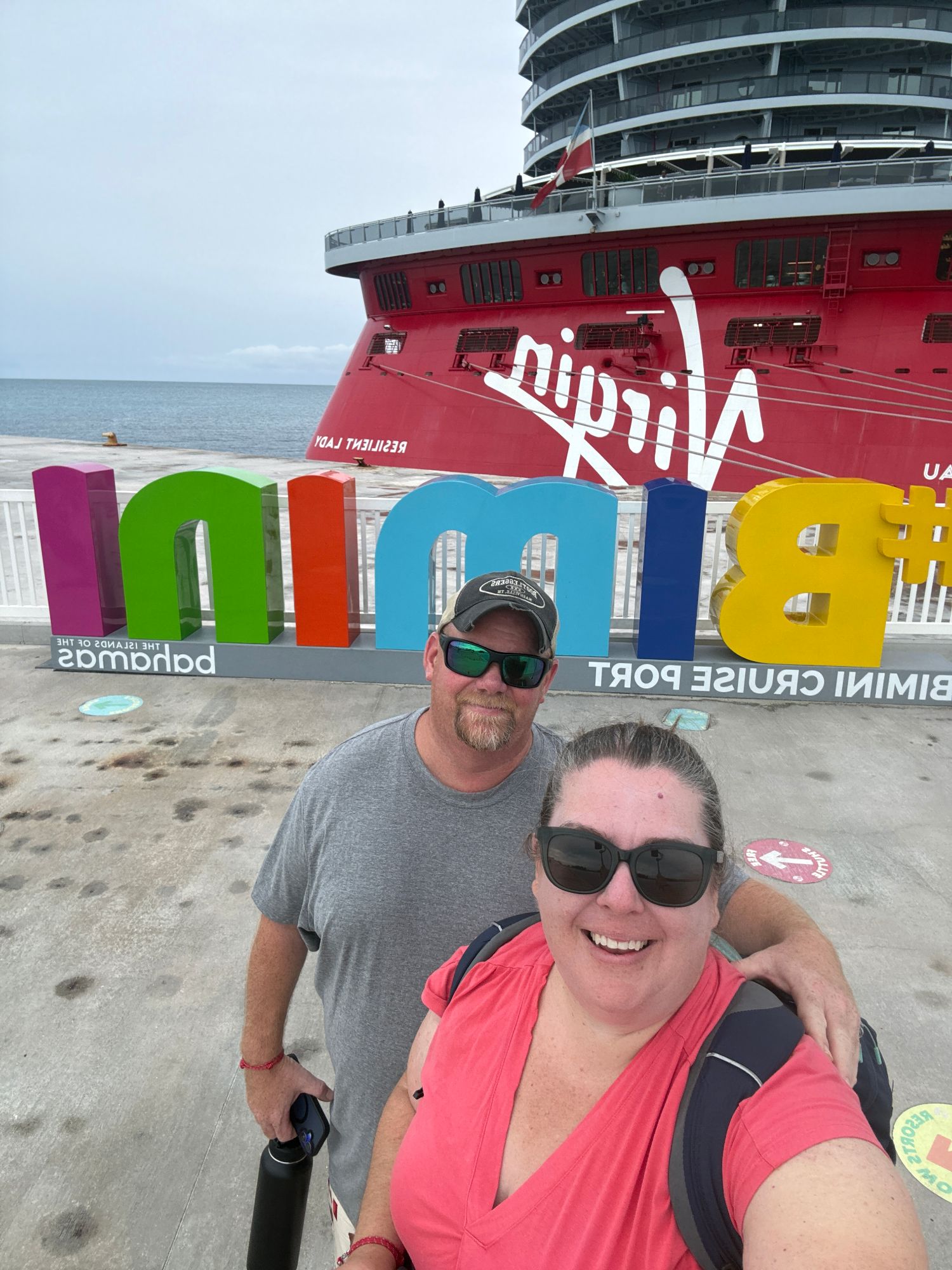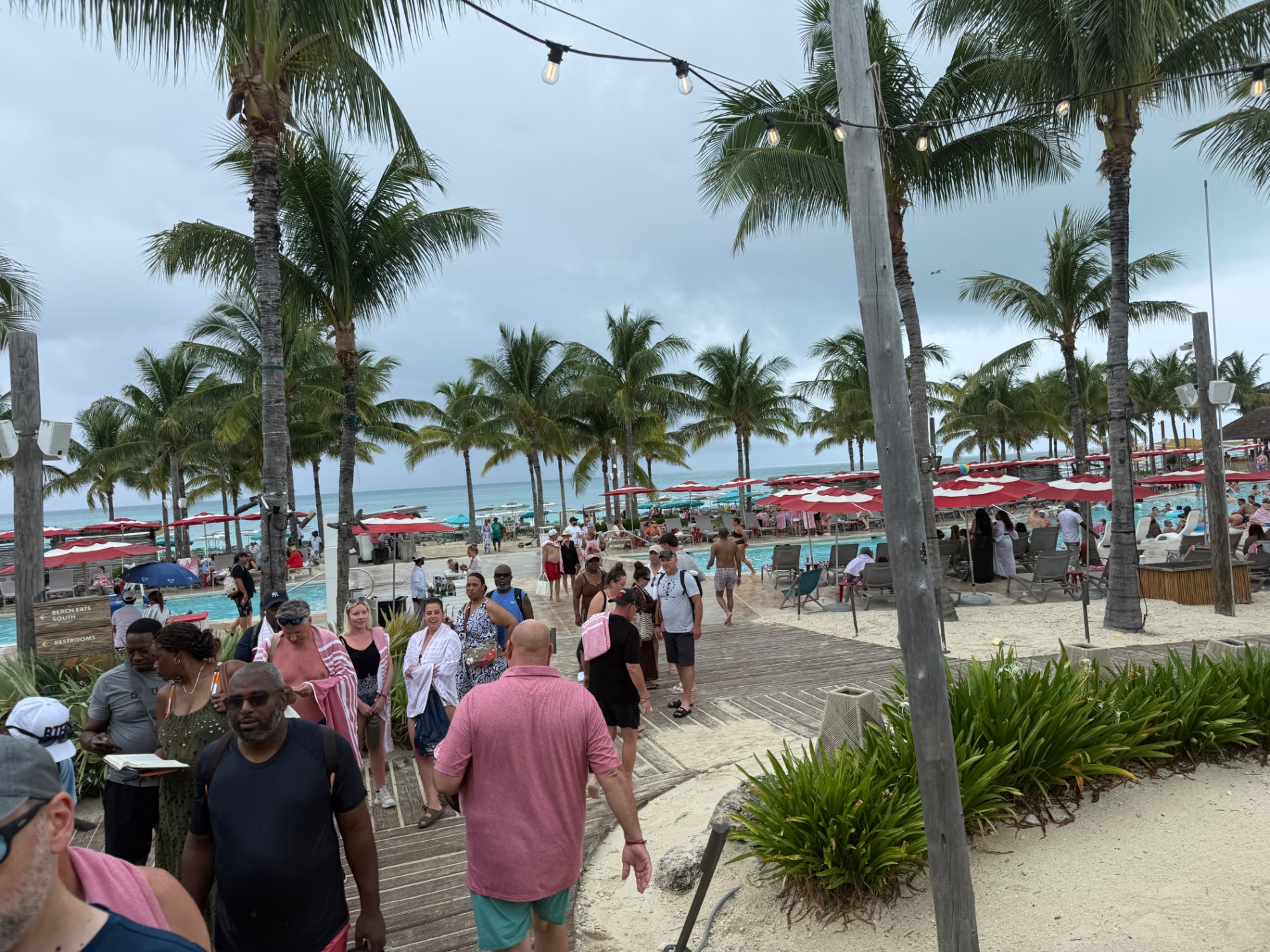

Canadian travel advisor Kimberly McNally-Sheppard has built a philosophy as simple as it is powerful: stop overwhelming your clients, start asking the right three questions.
At a Glance
Caribbean cruises are best planned using five emotional categories: Warm Escape, Scenic Nature, Culture and History, River Cruise, and Big Bucket List Journey. This framework reduces decision paralysis by matching travellers to feelings rather than destinations, with timing windows—Christmas sailings twelve months ahead, shoulder season April–May for value—determining both experience and price.
It started, as many great ideas do, on a grey Tuesday. A third cup of coffee. The same four walls. A friend's photo from a Caribbean balcony landing on a phone screen with all the quiet force of a reminder. That ache, as Kimberly McNally-Sheppard tells it, is not jealousy. It is recognition. It is the sound of a bucket list clearing its throat.
McNally-Sheppard, a travel advisor with TravelOnly based out of Oshawa, Ontario, has built her practice around that very human moment. The moment someone knows, without question, that they need to go somewhere. The problem, she has come to understand, is not the desire. It is what happens next. "Too many choices becomes no choice at all," she says. "You open a cruise website, you see two hundred options, fifteen cruise lines, and your brain just freezes. You close the laptop. You stay home."
That insight is the engine behind her signature approach, a framework she calls the five cruise lanes, and it is reshaping the way she connects with clients both in person and across social media through her ongoing 21-Day Escape campaign.

The Five Lanes That Changed Everything
Rather than presenting clients with an exhaustive catalogue of destinations and departure dates, McNally-Sheppard distils the entire cruise world into five emotional lanes: the Warm Escape, built around Caribbean sun and ease; Scenic Nature, anchored in Alaskan glaciers and the particular silence of standing in front of something enormous; Culture and History, which winds through Mediterranean cobblestone streets and ruins older than the country she calls home; the River Cruise, intimate and slow, docking in the hearts of European cities along the Danube; and the Big Bucket List Journey, the Panama Canal, transatlantic crossings, world cruise segments, the trips people spend a lifetime saving toward.
The lanes, she explains, are not really about geography at all. They are about feeling. "Forget destinations for a minute," she says. "What feeling are you after?" It is a question she now asks every client before she mentions a single ship or sailing date, and it has transformed her consultations from logistical exercises into something closer to conversation.
The framework came not from a textbook but from years of watching people get stuck. McNally-Sheppard noticed a pattern: the clients who struggled most were not the ones with limited budgets or complicated schedules. They were the ones who had been handed too many options at once. By narrowing the entry point to one feeling, one lane, and one timing window, she found that dreamers became bookers. The decision, suddenly, felt possible.
Timing as a Hidden Language
If the five lanes are her first act, seasonality is her second. McNally-Sheppard speaks about cruise timing with the fluency of someone who has watched clients make expensive, avoidable mistakes. Christmas and New Year's sailings, she notes, are "the most magical week on a ship," with kids' clubs absorbing the chaos and New Year's Eve at sea delivering a party most people never forget, but they are also the most expensive week of the cruise calendar, and "not a last-minute-deal week" by any stretch.
March Break, she explains, is practically a rite of passage for Ontario families. A seven-day Caribbean cruise during that window is a classic, but it requires booking by November to secure the right cabin at the right price. Shoulder season, April through May, is what she calls the travel industry's best-kept secret, the same destinations, the same ships, the same sunsets, with fewer crowds and gentler pricing. "The trade-off is worth it for many travellers," she says, with the confidence of someone who has seen the proof firsthand.
From Advisor to Storyteller
What sets McNally-Sheppard apart from a search engine, or from the cruise line websites that so often send clients spiralling, is the thing that no algorithm has yet figured out how to replicate: she has been there. She has felt the recognition of that grey Tuesday. She has stood in the lanes she describes, and she carries that experience into every recommendation she makes.
Her 21-Day Escape campaign, which unfolds daily across Facebook, Instagram, email, and beyond, is an extension of that philosophy. Each chapter builds on the last, walking her audience through the planning process the way a trusted friend might, with honesty about pricing, candour about timing, and zero pressure to decide before they are ready. The campaign asks followers to answer just three questions, what are you craving, which lane calls to you, and when works for your life, and to share their answers publicly or in a private message. She responds to every one.
It is, at its core, a practice built on time and effort. McNally-Sheppard does not pretend otherwise. She tracks engagement, follows up personally with warm leads, and pins her foundational posts so new followers can always find the starting point. The work behind the warmth is real.
The Client She Is Really Talking To
When asked who this approach is designed for, her answer is generous: everyone. Every person who has ever felt that quiet pull toward somewhere else, every family trying to coordinate spring break around a school calendar, every couple who has been talking about the Mediterranean for fifteen years and never quite made it happen. The lanes exist, she believes, because no single cruise is right for everyone, but somewhere in those five categories, nearly every traveller will find a version of the trip they have been picturing.
The insider knowledge she offers is not just about destinations. It is about the mechanics of making a dream survivable as a plan. Book Christmas sailings twelve months out, at minimum. For Alaska, the window is June through August, and cabin selection matters more than most first-timers realise. Easter dates shift every year, which catches families off guard if they wait too long to check the calendar. These are the details that live in the gap between a brochure and a boarding pass, and McNally-Sheppard has made it her business to know them cold.
What Comes Next
The 21-Day Escape is, by design, a beginning. Day one plants the seed. The days that follow tend to it. And for McNally-Sheppard, the campaign mirrors her own professional trajectory: always moving forward, always building toward the next chapter.
She is already thinking about the next bucket list, the next lane she wants to travel herself, the next piece of firsthand knowledge she can bring back to her clients. Because that is, ultimately, what she believes makes a great travel advisor. Not the ability to read a brochure, but the willingness to live the story first, and then to tell it in a way that makes someone else reach for their passport. As she puts it, "that's how you turn a dream into a plan."