When travel advisor Marcy Bond boarded a tender boat into Cabo San Lucas dreading the hassle, she had no idea it would become the moment that reshaped how she recommends one of Royal Caribbean's most popular Mexico itineraries.
At a Glance
Cabo San Lucas tender rides deliver unexpected marine wildlife sightings at no extra cost, and the port is more walkable than its reputation suggests. Staying on-site at Universal Studios Hollywood maximizes theme park time through mid-day breaks, while January offers short queues and comfortable weather for Southern California visits.
There is a particular kind of professional growth that only happens when a travel advisor stops reading the brochure and steps onto the boat. For Marcy Bond, that moment came somewhere between the ship and the Cabo San Lucas dock, bobbing on a tender she had fully expected to hate, watching marine wildlife glide past in water she hadn't planned to appreciate. She loved it so much, she rode it back to the ship and then turned around and did it again.
Bond, a family travel advisor, recently returned from a seven-day Royal Caribbean cruise sailing a Mexico itinerary with port stops in Ensenada, Puerto Vallarta, and Cabo San Lucas, followed by a two-day extension at Universal Studios Hollywood. It was a family trip, equal parts research and vacation, and it delivered exactly the kind of first-hand intelligence that no amount of supplier training can replicate.
The Tender Ride She Dreaded — and Rode Twice
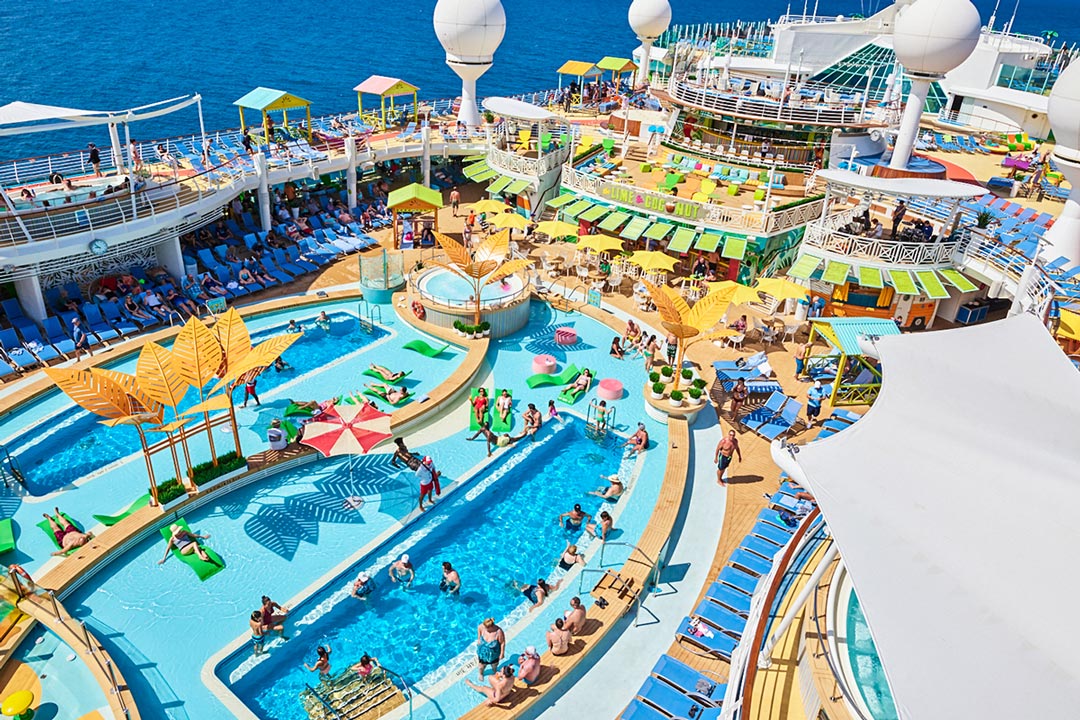
Tendering, the process of ferrying passengers from a cruise ship anchored offshore into a port by smaller boat, carries a reputation among experienced cruisers as one of the more tedious elements of any itinerary. Crowds, queues, salt spray, logistics. Bond went into Cabo expecting friction. What she found was something else entirely. "I thought tendering would be actually a pain in the butt," she recalls, "but it was a highlight of the trip. I loved it so much I went a second time to the port and back."
What made the difference was what she hadn't anticipated seeing along the way. The tender ride delivered marine wildlife sightings that were simply part of the journey, included in the price of the cruise, visible to anyone who happened to be paying attention. Bond was paying attention. As a travel advisor, she understood immediately what that meant for her clients: an unexpected, zero-cost highlight hiding inside a logistical step that most travelers approach with impatience. She also came away with something equally useful. Cabo, she discovered, is more walkable and accessible than its reputation suggests. Bond's family strolled a considerable distance from the port to a Walmart, and she returned home already mentally drafting a whale watching tour recommendation for clients planning a return visit.
The On-Site Hotel Revelation at Universal Studios
If the tender ride was Bond's most pleasant surprise on the water, the two-day Universal Studios Hollywood extension delivered the trip's single most commercially significant insight. The family stayed at a hotel located directly on the Universal grounds, and the decision quietly transformed the entire experience. "It made the trip so much more amazing and worth the money we paid to stay there for sure," Bond says, and the certainty in her voice reflects something more than personal satisfaction. It reflects the kind of conviction that only comes from having lived the alternative in her imagination and chosen correctly.
The on-site advantage played out in small, cumulative ways that added up to something meaningful. When the family needed a break mid-day, they didn't have to weigh the cost of leaving the park against the exhaustion of staying. They simply walked back to their room, ate on their own terms, rested, and returned. For families traveling with children, that flexibility is not a luxury. It is, Bond now argues, a strategy. "Staying on site at Universal is key to just make the most of your time," she says. "You can get a lot more from the experience."
It is the kind of recommendation Bond could not have made with genuine authority before this trip. She can make it now.
January: The Timing Secret Most Travelers Miss
The Universal extension carried one more piece of intelligence worth noting, and it has everything to do with when the family chose to travel. January, the quiet stretch after the holiday season deflates and before spring break crowds begin to build, turned out to be a near-perfect window for a theme park visit. Queues were short. The weather was comfortable without tipping into the punishing heat of summer. The two-day pass the family purchased came at a strong price point, and they used every hour of it. "Traveling to Universal Studios in January was the ultimate," Bond says, "because we hardly stood in any lines."
For clients weighing a Southern California theme park trip and wondering when to go, that single piece of timing intelligence, drawn from actual January attendance rather than crowd-calendar speculation, is the kind of insider detail that justifies picking up the phone and calling an advisor instead of booking alone online.
The Logistics Lesson That Ties It All Together
Bond is the kind of advisor who thinks beyond the highlights. When she reflects on the trip as a whole, what stands out alongside the wildlife sightings and the theme park ease is a geographic reality that many travelers simply don't consider until they're staring at a map from the back of a rideshare. The Los Angeles airport, the cruise port, and the Universal Studios Hollywood area are not close to one another. The distances are real, and they matter when planning arrival times, departure buffers, and how to move between each piece of an itinerary. "The airport, the port, and Hollywood were very far from each other," Bond notes plainly, and that plainness is the point.
Her family's solution was a rental car, which gave them flexibility to shop between destinations, absorb the trip at their own pace, and avoid the compounding stress of tight connections. It worked. Bond came home with a logistics framework she can now build directly into client itineraries for anyone combining a Royal Caribbean Mexico sailing with a Southern California land extension.
The through-line of this trip is not simply that Bond enjoyed herself, though she clearly did. It is that she traveled as an advisor even while traveling as a mother, absorbing the unglamorous details alongside the memorable ones, riding a tender boat twice to understand it fully, noting the walkability of a Mexican port town, clocking the value of an on-site hotel room not just in comfort but in hours recovered and money saved. "I know more about the ports in Mexico that I visited," she says, "so I can advise on those."
What Comes Next
Bond is already looking ahead. Royal Caribbean remains the cruise line her family gravitates toward, and she is scanning itineraries, ships, and pricing with the focused energy of someone who has just confirmed that the investment in first-hand experience pays real dividends. The next sailing is not yet booked, but the process is underway, and Bond is approaching it with something she didn't quite have before this trip: the particular confidence of an advisor who has done the work, ridden the tender, stayed on the grounds, and returned home ready to tell her clients exactly what actually works.