A first-time European traveler discovers that the Christmas markets of Budapest, and a coach tour she almost dismissed, would reshape the way she thinks about travel entirely.
At a Glance
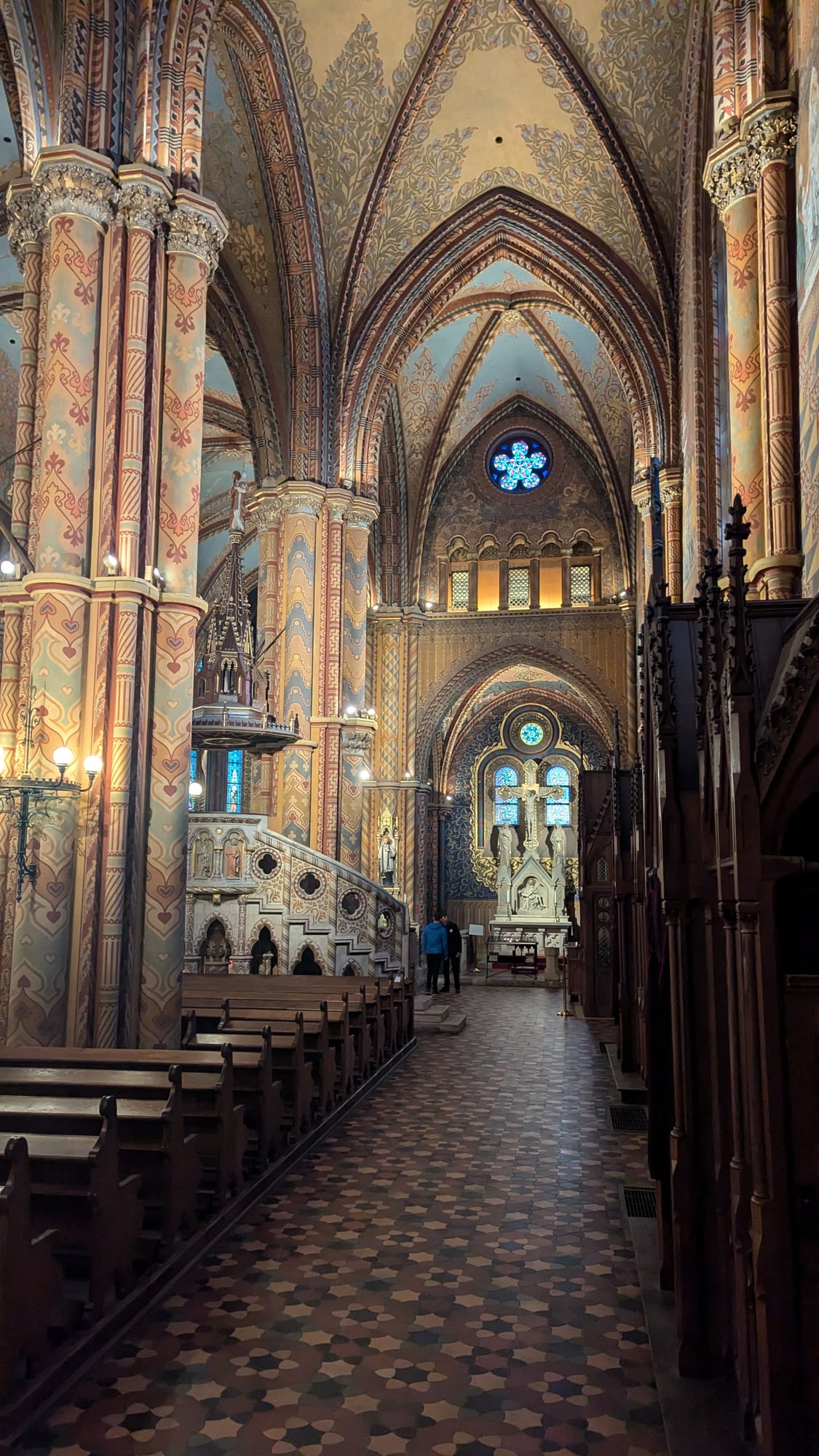
Budapest's Christmas markets during late November offer an authentic European experience with snow, mulled wine, and Hungarian street food in a less crowded setting than Vienna or Prague. The city delivers genuine warmth and a sense of belonging that makes it an unexpected highlight for first-time European travelers on structured group tours.
Snow was falling lightly over the market stalls. The smell of cooking food drifted through the cold air, warm and familiar against the chill of a late November evening. Around her, people moved through the market with quiet purpose, mulled wine in hand, pausing at stalls, laughing softly. For Brenda Holinaty, a travel advisor experiencing Europe for the very first time, the moment felt like something out of a dream she hadn't known she was having. "It was just really magical," she says. "It really was."
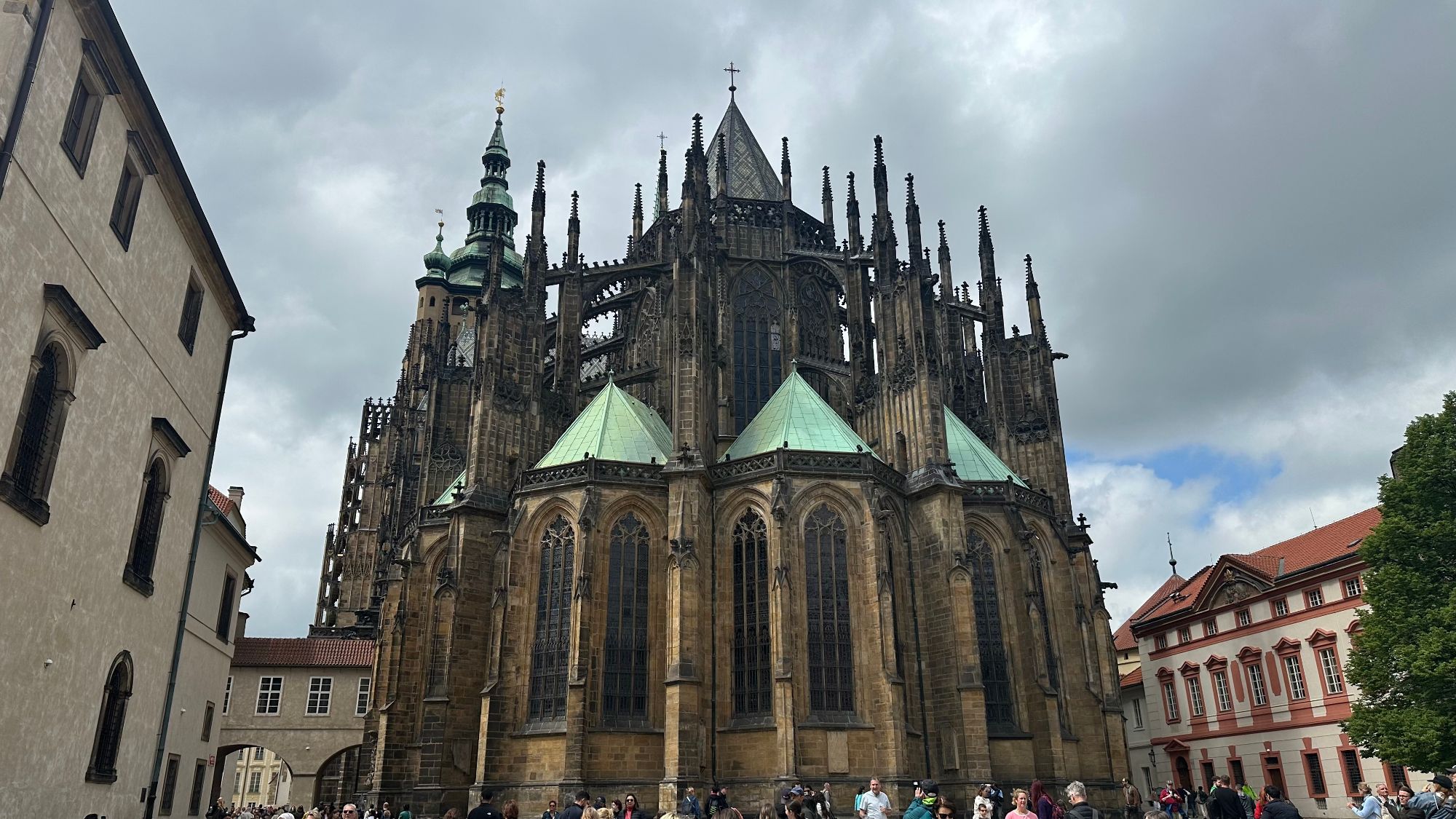
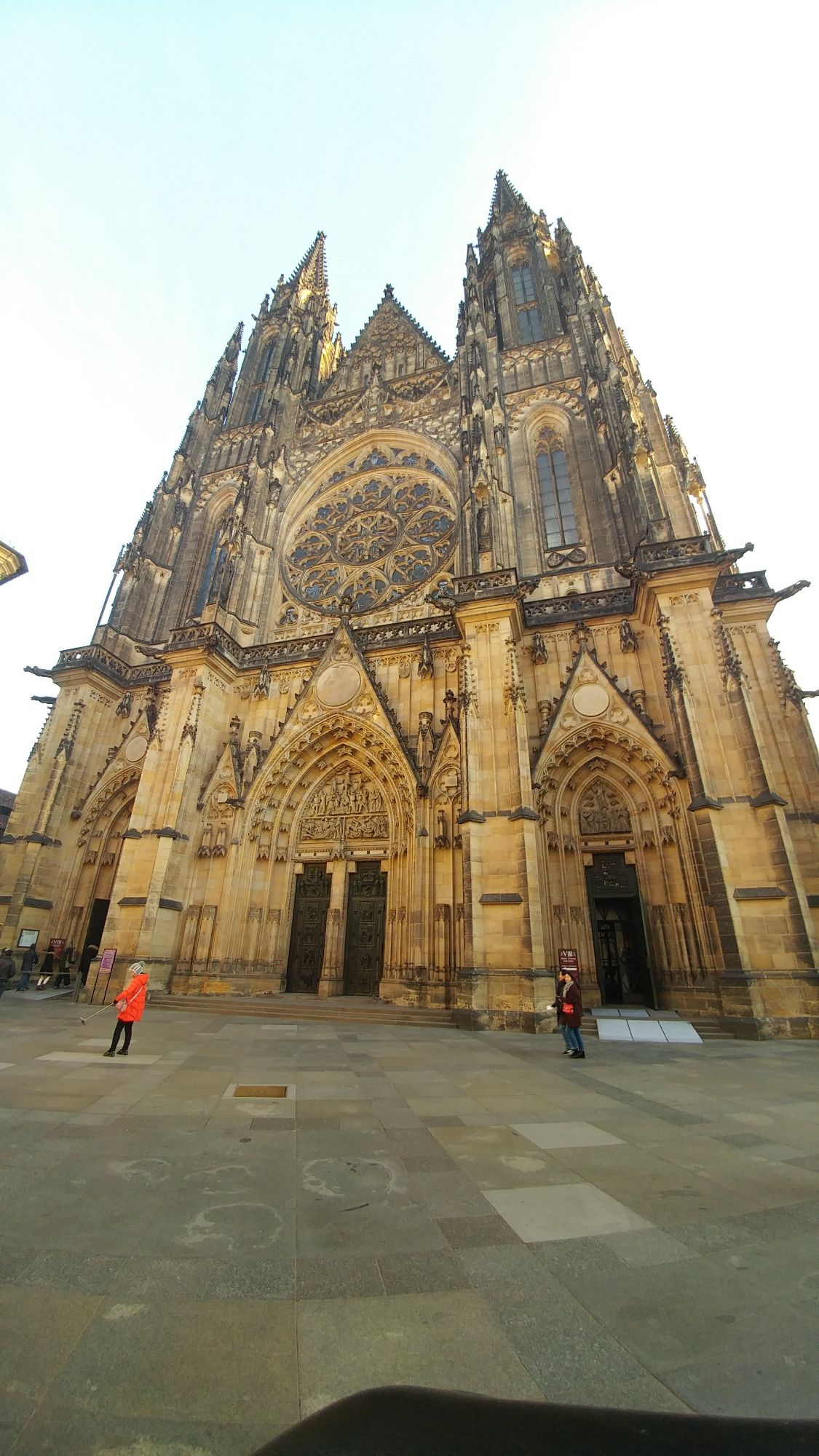
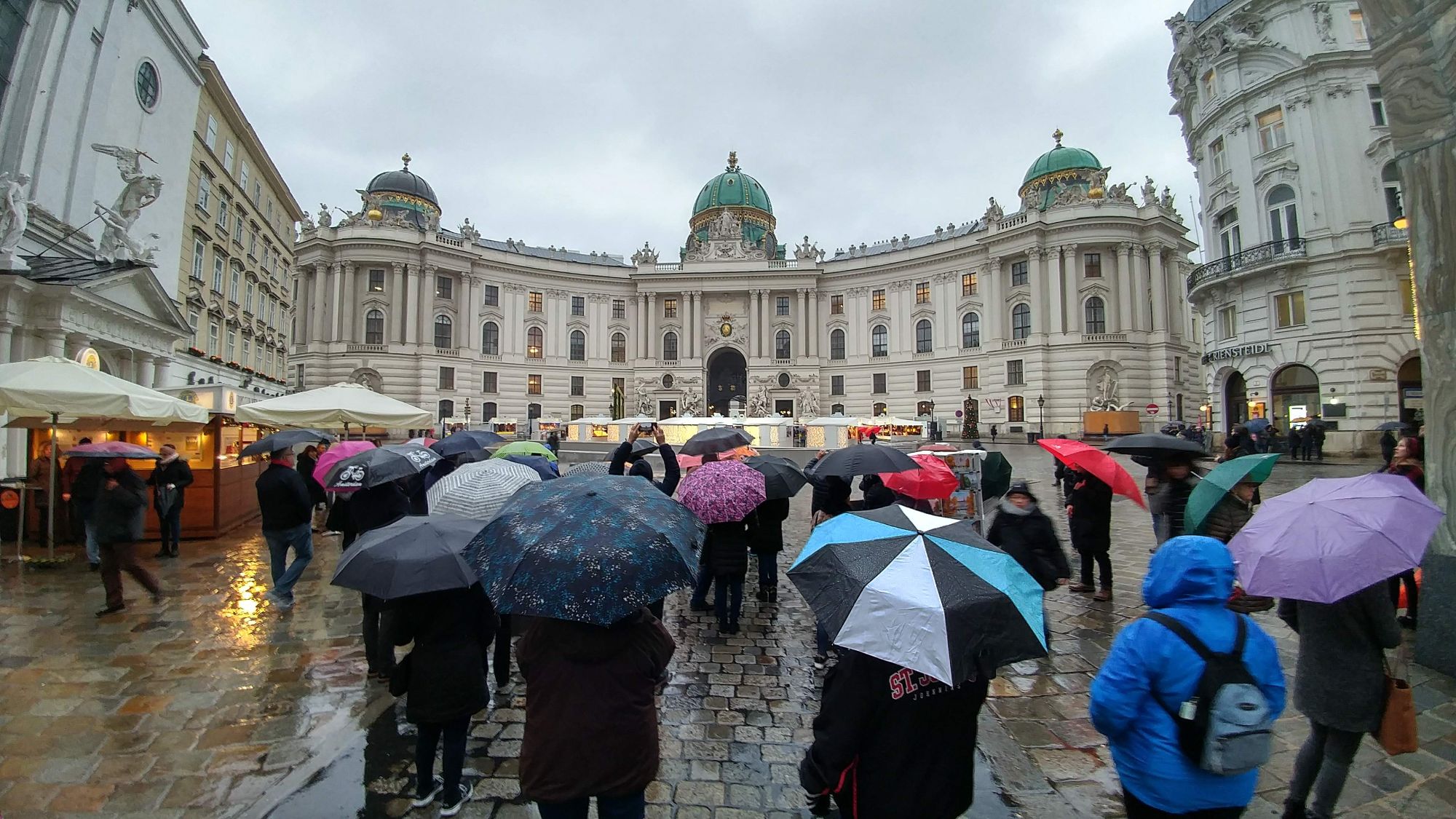
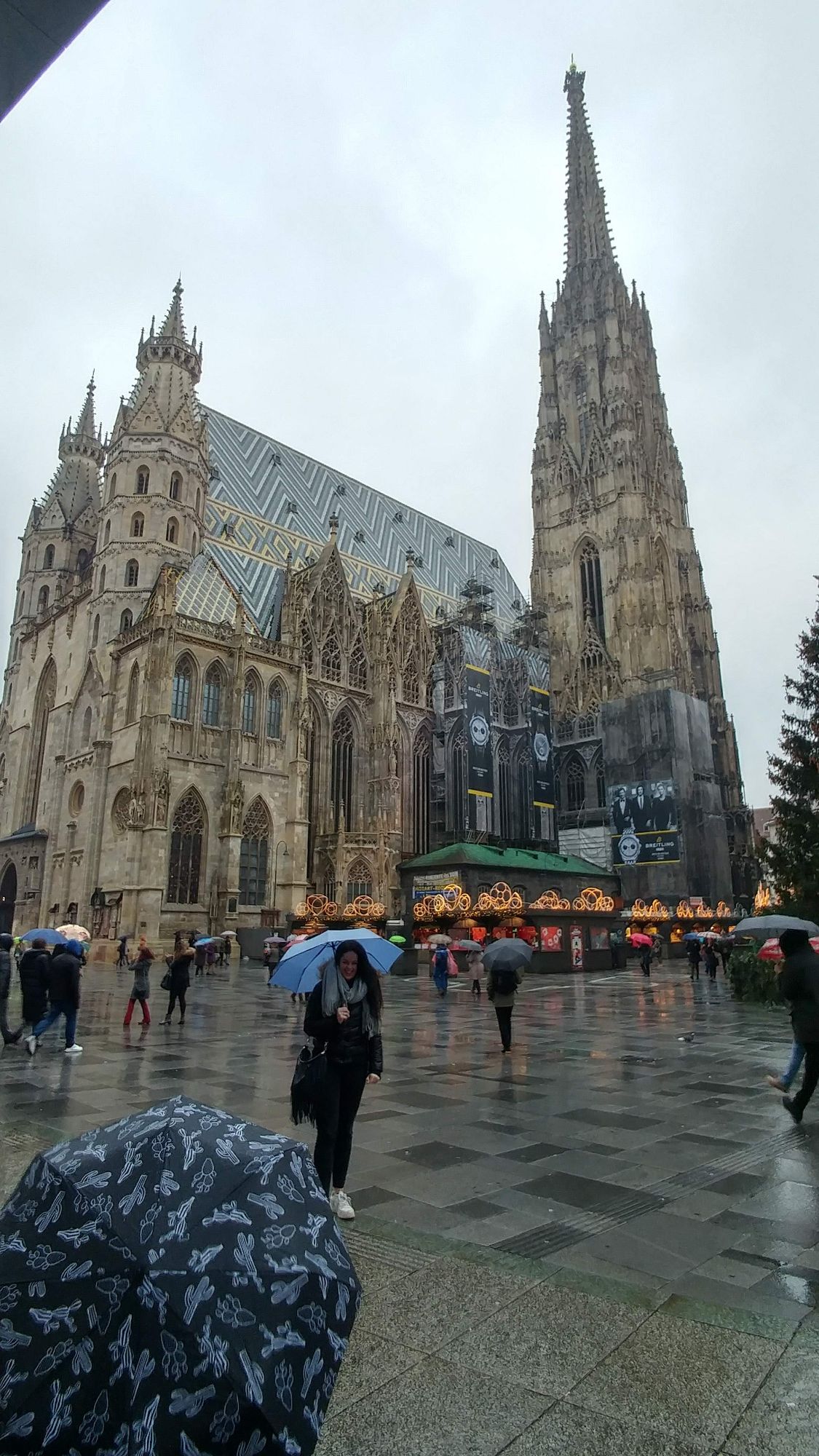
That scene unfolded in Budapest, Hungary, during a Globus Escape Tours journey through three of Central Europe's most storied Christmas market cities. Budapest, Vienna, and Prague formed the backbone of the late November itinerary, and each brought its own character. But it was Budapest that caught Holinaty off guard, the city that worked its way past her expectations and stayed there long after the trip ended.
A First-Timer's Europe, Without the Fear
Before this trip, Holinaty had never set foot in Europe. Her expectations, by her own admission, were largely undefined. And somewhere in that uncertainty was a quieter hesitation, the kind that many travelers carry but rarely say out loud: she wasn't sure coach tours were for her. "Before this, I wouldn't have recommended coach tours," she says candidly, "because I think I had a preconceived notion of what I thought they were." The image many people hold of escorted group travel, of rigid schedules, tourist-heavy itineraries, and demographics skewing well past retirement age, was one she shared.
What she found instead was something far more nuanced. The Globus Escape Tours experience offered structure without suffocation. Hotels were well-positioned in each city, allowing travelers to venture out independently when the group itinerary paused. The guides were generous with information without being overbearing. And the pace, the thing Holinaty had perhaps feared most, felt human. "I didn't feel rushed," she says. "I felt very comfortable."
That comfort, repeated again and again when she speaks about Budapest in particular, is not a small thing for a first-time European traveler. It is the difference between a trip survived and a trip truly lived.
Budapest, the Unexpected Hero
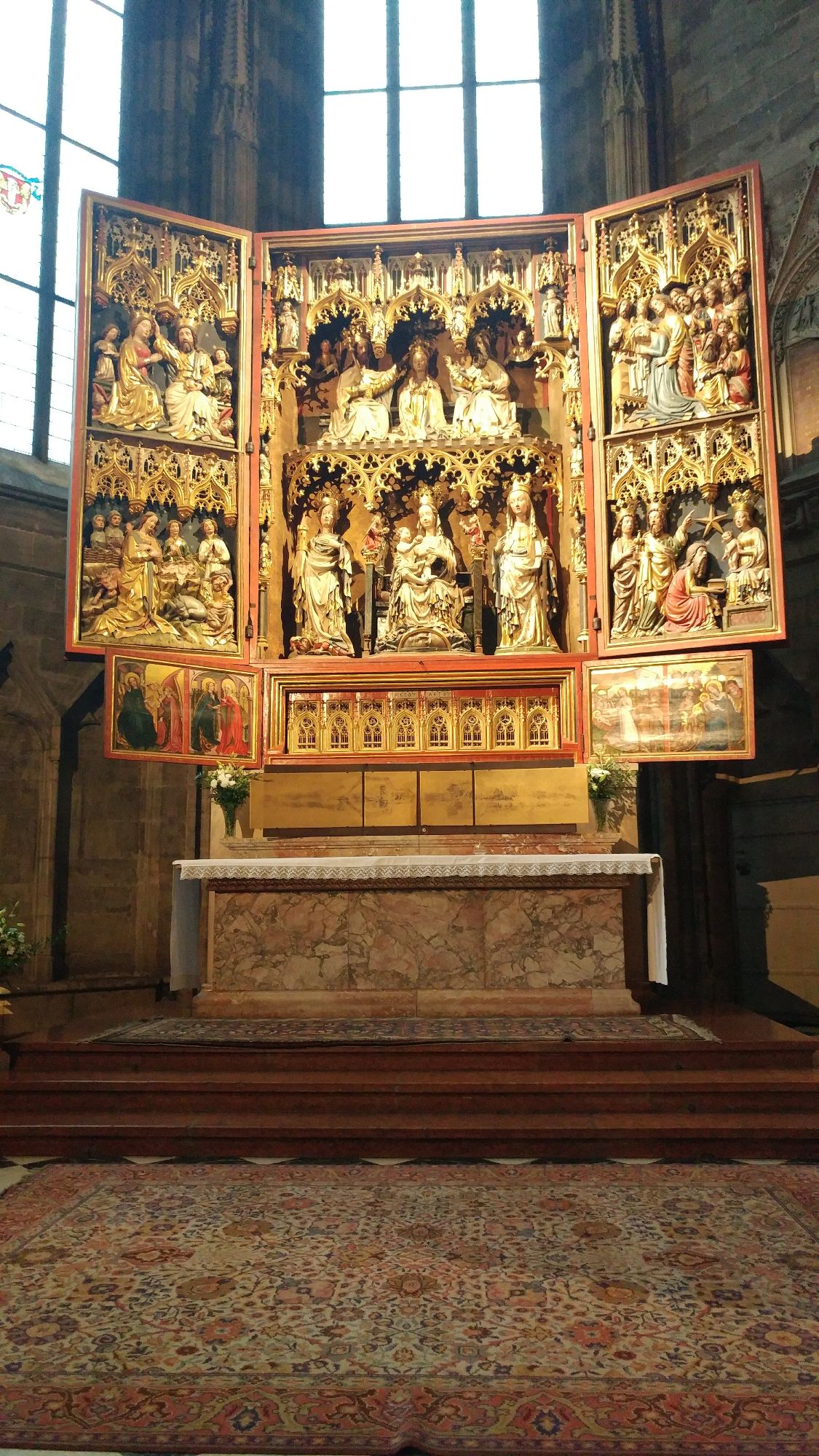
Of the three cities on the itinerary, it was Budapest that claimed Holinaty most completely. Vienna is polished. Prague is photogenic. But Budapest, she says, delivered something harder to manufacture: a sense of genuine belonging. "It was almost like it was familiar, but it wasn't," she reflects. "That makes sense." The warmth of the city, its food, its markets, and the ease with which she moved through it, turned a destination she had not particularly singled out into the centrepiece of her entire travel story.
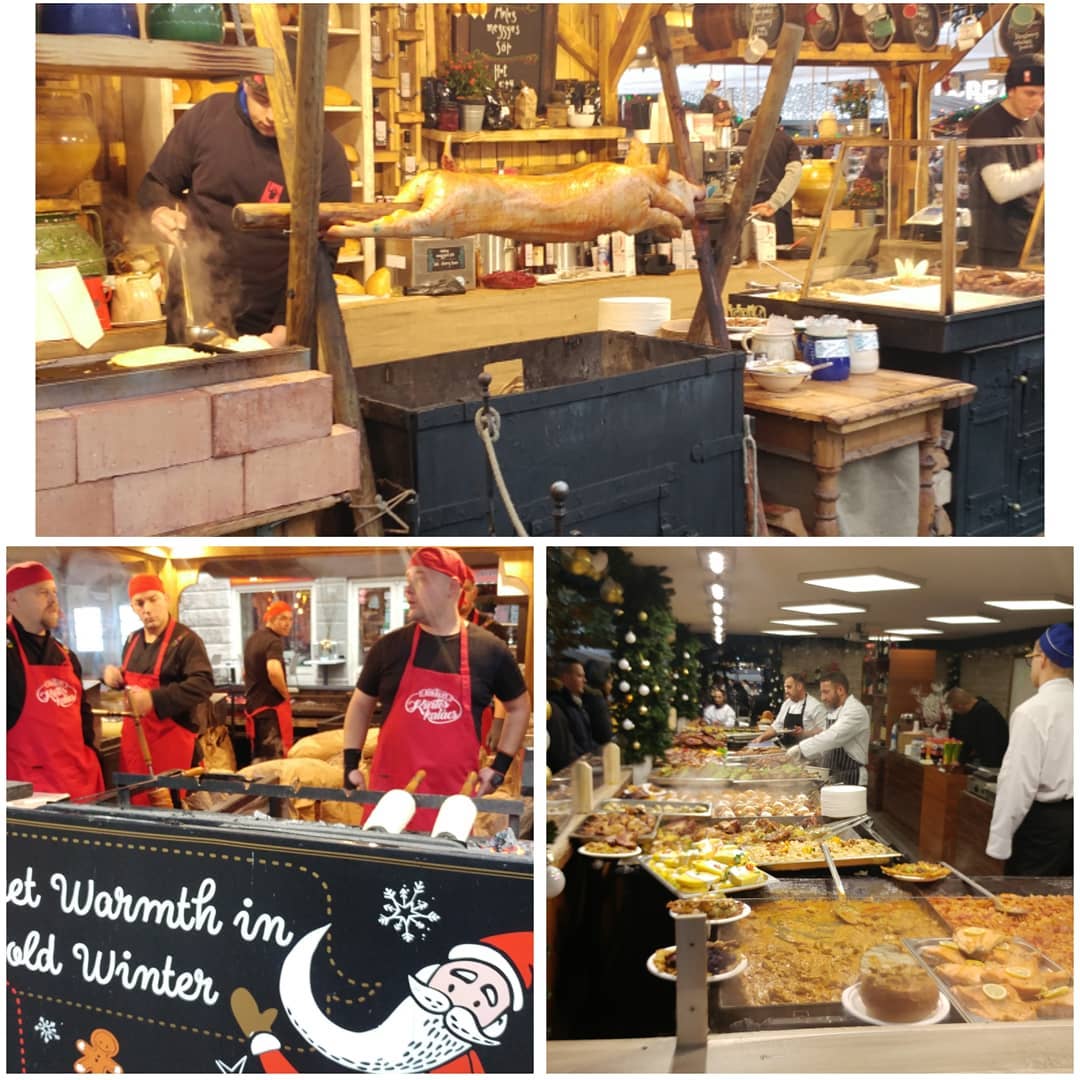
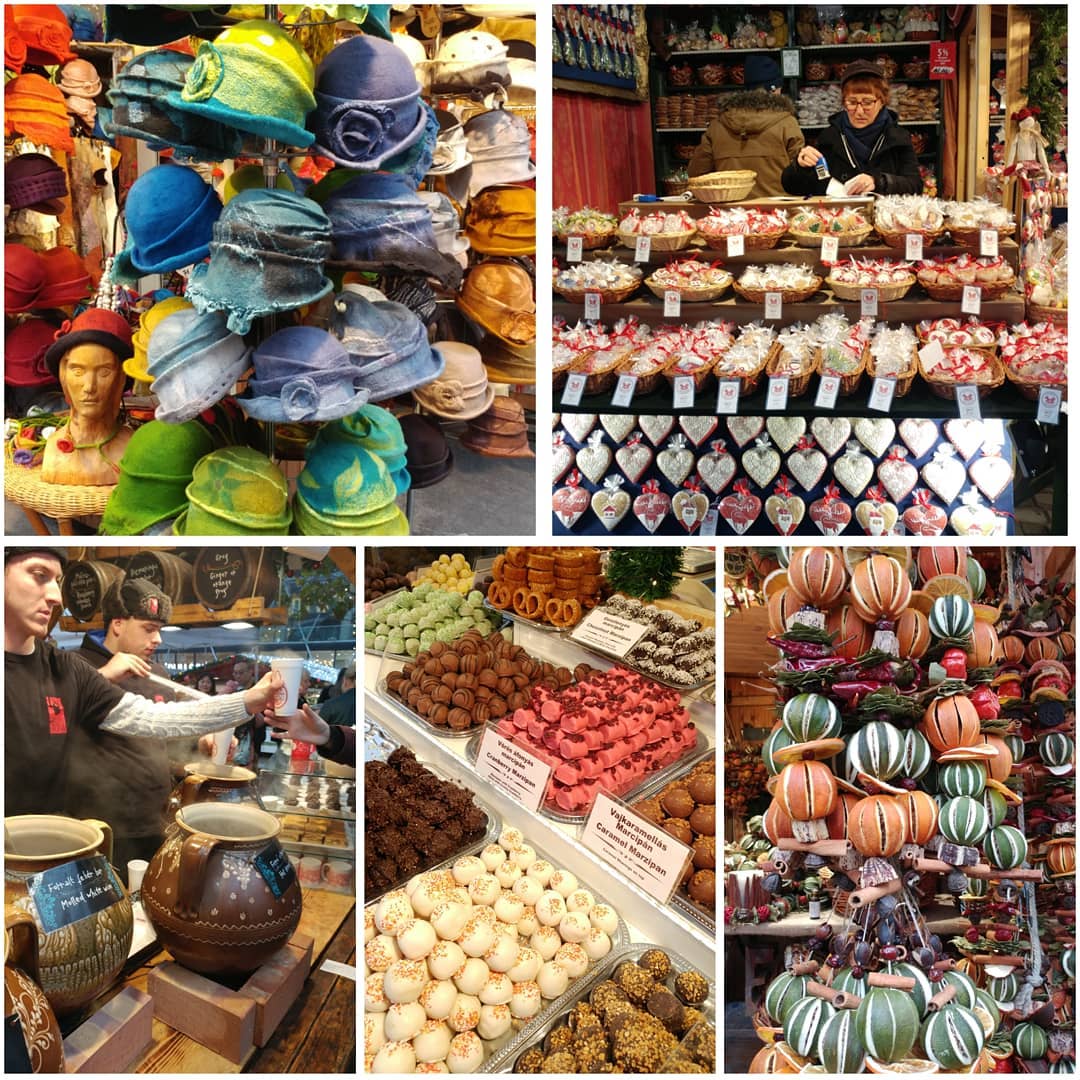
The Christmas markets were the peak of that experience. Where the markets in Vienna and Prague draw enormous, well-documented crowds, Budapest offered something Holinaty describes as more authentic, less performative. "Budapest, those Christmas markets, they were amazing," she says. "It captured the true essence of like a European market." Snow fell softly overhead. The smell of Hungarian street food wound through the stalls. Hot mulled wine moved from vendor to visitor. The crowds were lively but never overwhelming. It was festive in the truest sense, celebratory without being chaotic, and Holinaty found herself simply present in it, not checking a box, but actually there.
Who This Trip Is Really For
One of the most valuable things a travel advisor can bring back from a first-hand experience is clarity about fit. Who does this trip actually suit? Holinaty came home with a clear and honest answer to that question, and perhaps more usefully, with a myth dismantled.
"Coach tours aren't just for seniors," she says, with the calm authority of someone who has seen the evidence firsthand. "I was in my 40s when I went, and I realized there was people of all ages." On her own tour, fellow travelers had come from New York, from Switzerland, from corners of the world that would never otherwise have intersected. "We got to share an experience together," she says, "and that's something that connects us really for the rest of our lives." That kind of connection, forged across borders and backgrounds over shared dinners and market meanders, is not something a solo itinerary easily replicates.
She is equally clear about who might not find their best fit here. Backpackers chasing hostel beds and unstructured wandering will want to look elsewhere. But for the traveler who wants comfort, quality hotels, expert guides, and the freedom to roam independently within a supported framework, the case, in Holinaty's view, is straightforward. "It's not for someone who's looking to stay in a hostel or backpacking," she says plainly. "This is an opportunity to travel with a group of like-minded people, make connections."
The Advisor Who Went Herself
The professional shift this trip produced in Holinaty is significant. Recommending something you have personally experienced is a different act entirely from recommending something you have researched, and clients can feel that difference. She now speaks about coach touring not from a brochure but from memory, from the smell of food in a Budapest market, from the ease of knowing a hotel is well-placed, from the warmth of a mulled wine shared with strangers who became something like friends.
"After I went on that, I realized that to me it's a no-brainer," she says. The logic she offers her clients now is simple and grounded. When time in a destination is limited, why spend it piecing together logistics when a trusted operator has already handled that, while still leaving room to explore? As she puts it, with the kind of plainspoken conviction that lands harder than any polished pitch: "It's just easy. It's just. It's just really nice."
That ease, that particular joy of being looked after without being confined, is what Holinaty now leads with when the subject of European group travel comes up. It is a recommendation born not from a brochure or a supplier briefing, but from an evening in Budapest, snow falling lightly, wine in hand, wandering through a market that felt, somehow, like coming home to a place she had never been.
What Comes Next
A traveler changed by one destination rarely stays still for long. Holinaty is already looking ahead, with Portugal firmly in her sights and Japan calling from further out on the horizon. Both, she notes, she would love to experience as a group trip. The convert, it seems, is now also an advocate, thinking instinctively in the format that Budapest taught her to trust.
For anyone dreaming of Central Europe's Christmas markets, or simply wondering whether a coach tour might actually be the right fit, Holinaty's advice is to ask someone who has been. She has. And she is ready to tell you exactly what it is like.