A self-described skeptic boards a small luxury cruise ship through the Netherlands and returns as one of its most passionate advocates, city by city, canal by canal.
At a Glance
The Netherlands offers distinct regional character across Rotterdam, Bruges, and Antwerp, best experienced via small-ship cruising in April when tulips bloom and crowds remain manageable. Windstar's 312-guest capacity enables genuine staff relationships and independent port exploration, transforming each city into a personal discovery rather than a checklist destination.
Amsterdam was never on Claudia Biegus's list. Not as a dream destination, not as a professional curiosity, not even as a placeholder on a travel wish list that, for a busy travel advisor, tends to run long. When the fam trip with Windstar Cruises landed on her calendar, she approached it the way seasoned advisors approach most working trips: with professional intention, measured expectations, and a notebook full of questions to answer on behalf of future clients. What she did not expect was to fall for a destination she had largely written off before she ever stepped aboard.
The itinerary was ambitious. Departing and returning from Amsterdam, the Windstar voyage wound through Rotterdam, Bruges, and Antwerp, threading together a region rich in maritime history, canal culture, and, in April, an almost absurd abundance of tulips. Biegus had a general impression of the Netherlands that most travelers carry without questioning: canals, bicycles, the red-light district, and fields of flowers. What she found instead was something far more layered, and far more surprising.
The Ship That Knew Her Name
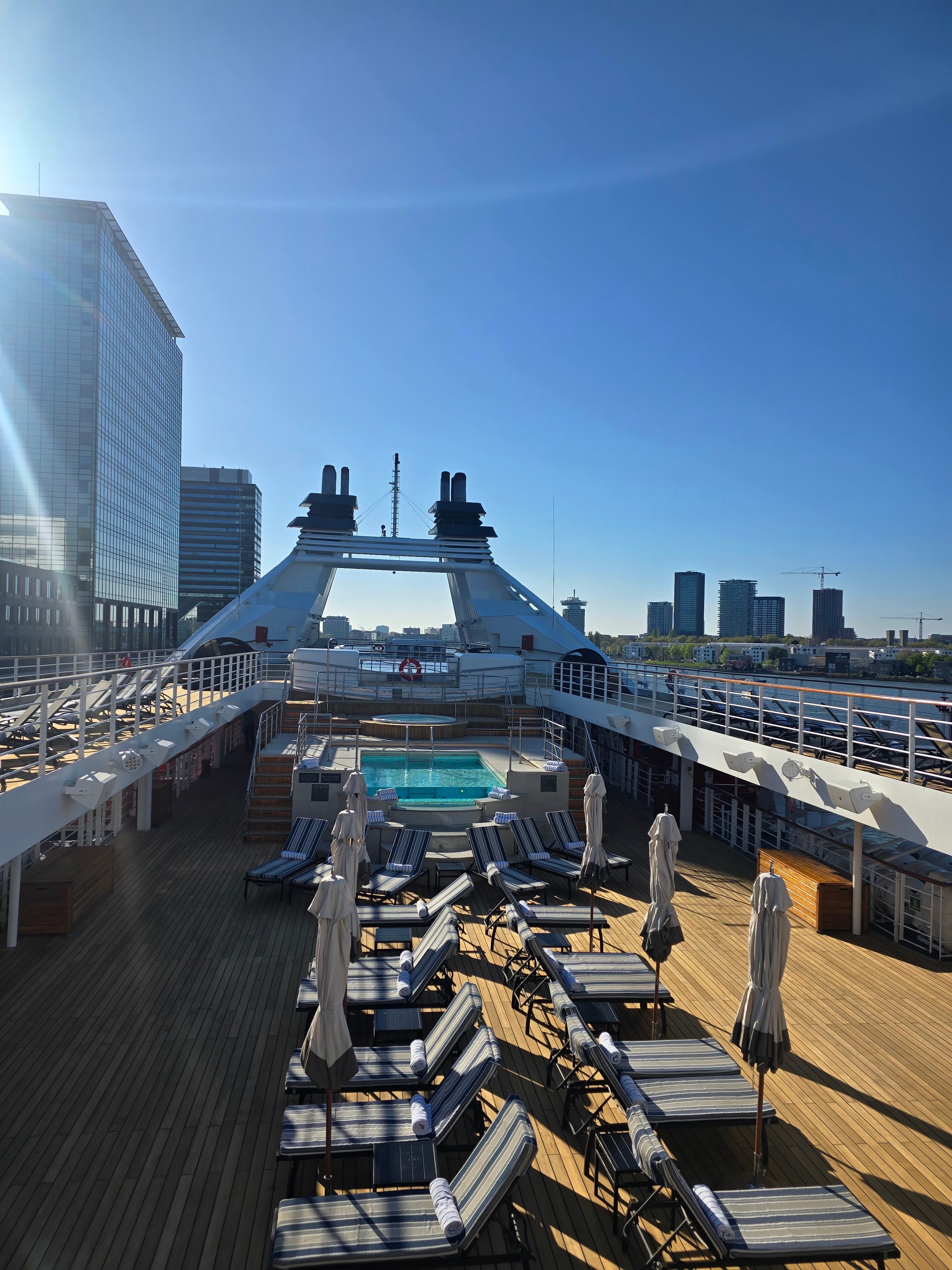
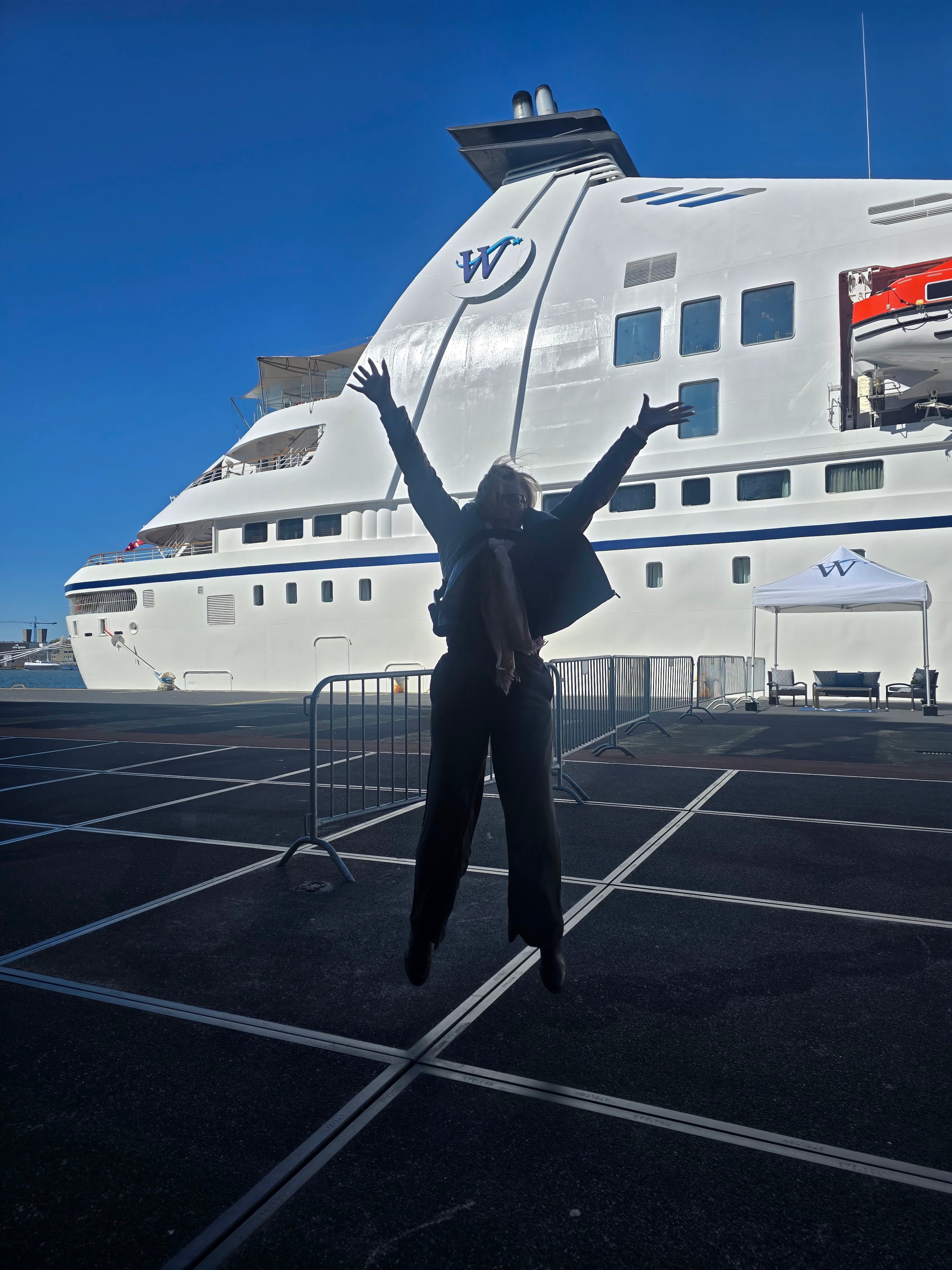
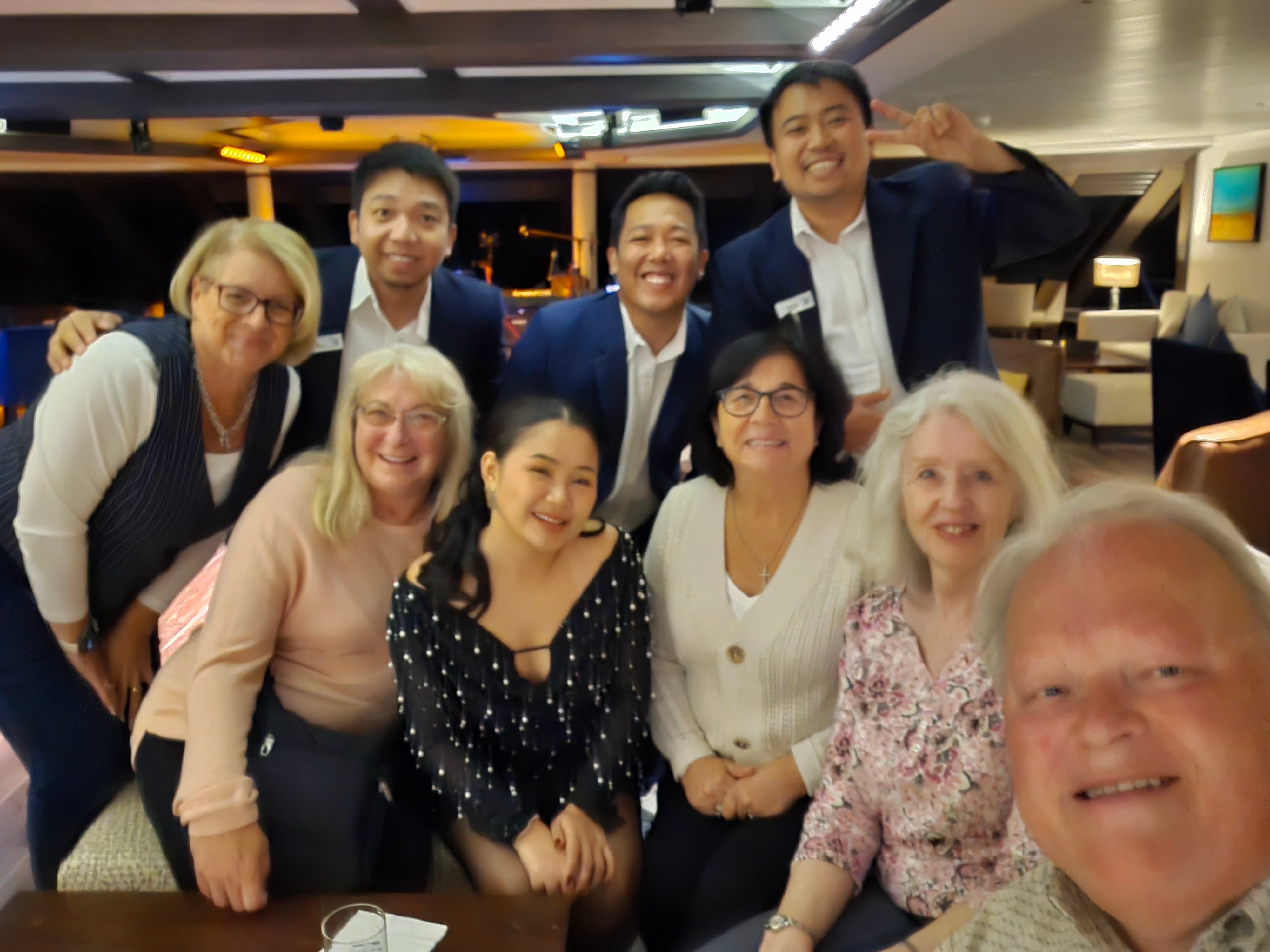
Before the destination could win her over, the ship did. Windstar's vessel carries just 312 guests, and every stateroom is a suite. For Biegus, the scale of that intimacy became clear almost immediately. By the second day at sea, the staff knew her name. Not in the rehearsed, name-badge-glancing way of a larger vessel, but genuinely, personally. It stayed with her. "Any time I talk about Windstar," she says, "I tell all of my clients that the staff there get to know you as a person. It's not just a big number like they are on bigger ships." That distinction, she explains, is not a marketing point. It is the difference between a holiday and an experience, and it is the kind of thing that only becomes clear once you have felt both.
The intimacy of the ship also shaped how Biegus moved through each port. On a larger cruise, the logistics of disembarkation can absorb hours. On Windstar, the equation is entirely different. "You are literally getting off the ship and walking right into the city without having to worry about excursions and stuff like that," she notes. That freedom, the ability to wander without a group, without a schedule, without a guide holding a sign, turned each port stop into something more personal. She could evaluate each city not as a travel advisor ticking boxes, but as a traveler encountering a place for the first time.
A City for Every Mood
And each city, it turned out, deserved its own encounter. This was perhaps the most significant insight Biegus brought home from the voyage: the Netherlands is not a monolith. "Every city we went to had a different culture and a different vibe that you would experience," she reflects. Rotterdam, for instance, is not a city most travelers picture when they dream of Europe, but Biegus found it quietly fascinating. It is a major European shipping hub, a working city with a muscular industrial identity that she had never considered before standing in it. It was the kind of discovery that only happens when you go somewhere without assuming you already know what it is.
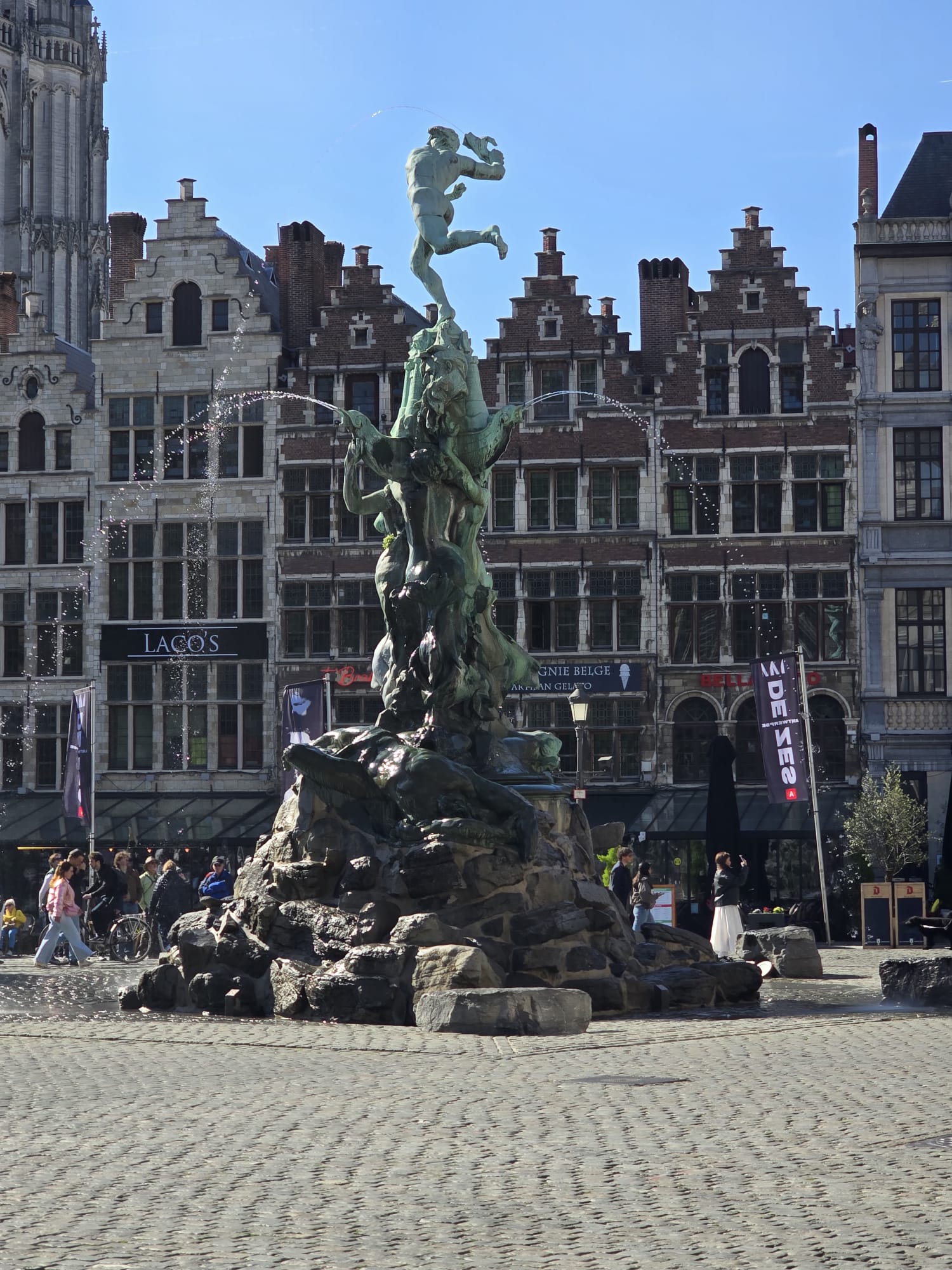
Bruges offered something entirely different. Small, walkable, historic, the kind of town that rewards the traveler who simply turns a corner without knowing what is around it. Antwerp brought the Diamond District and an architectural landmark that stopped Biegus in her tracks: a train station of such extraordinary beauty that she describes it simply as "one of the most beautiful train stations I have ever seen." These were not moments she could have read her way to. They required presence.
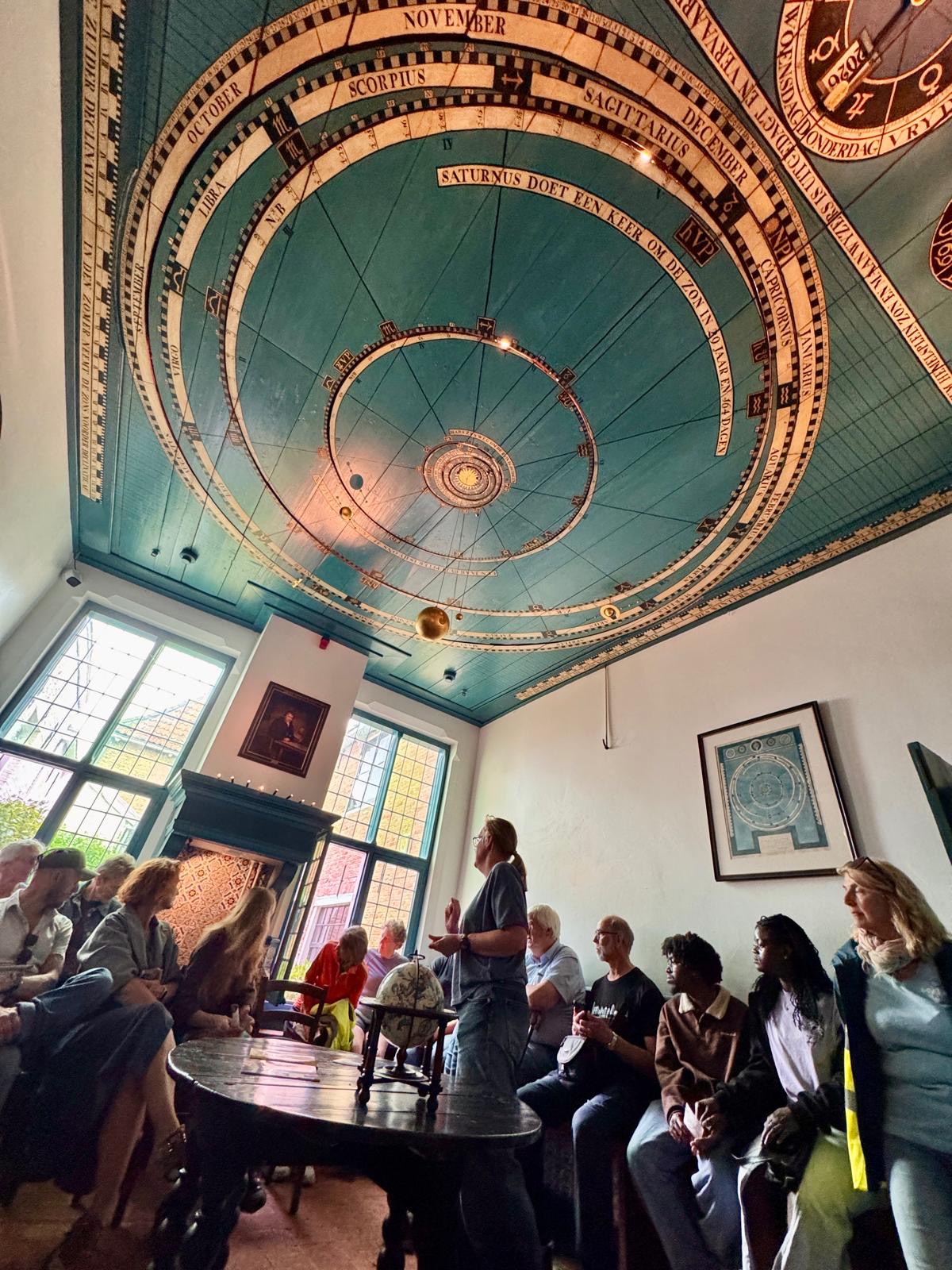
In Amsterdam itself, she did what she encourages her best clients to do: she wandered. She visited the tulip fields and gardens. She walked through the Diamond District. And at one point, with a small group of fellow travelers, she climbed into a canal boat and let the city drift past at water level. "It was just awesome to experience that and see it all come to life through the eyes as if I were an actual client experiencing it just like the first time," she says. That perspective, seeing a destination without the filter of professional habit, is precisely what a fam trip is supposed to produce. In this case, it produced a genuine convert.
The Confession That Changes a Recommendation
The most honest thing Biegus says about this trip is also the most useful thing a prospective traveler could hear. "I was not expecting to enjoy Amsterdam or the Netherlands as much as I did," she admits, "and I'm actually looking forward to going back." That sentence carries a particular weight coming from a travel advisor. It is not a sales pitch. It is a confession, and confessions, in travel writing as in travel itself, tend to be the truest form of recommendation.
Her pre-trip image of Amsterdam had been shaped by the same clichés that shape most people's: the canals, the bicycles, the red-light district. What she encountered was a place defined far more by the character of its people, the distinct personality of each city, and the quiet depth of a region that rewards curiosity over checklist tourism. She has since recalibrated entirely. She now recommends the destination with the kind of specific, granular confidence that only comes from lived experience: she knows which port requires a bus into the city center, she knows where the time zone shifts unexpectedly between stops, she knows which type of traveler will find their perfect season in April.
Who Should Go, and When
On the question of ideal traveler, Biegus is thoughtful and inclusive. Gardeners and tulip enthusiasts will find April almost overwhelmingly beautiful. History lovers will find depth in every port, from Rotterdam's shipping legacy to the medieval lanes of Bruges. Small ship devotees, those who have grown weary of the logistics and anonymity of large-scale cruising, will find in Windstar an experience that feels genuinely personal. And for travelers who want to explore independently, the ship's proximity to each city center makes spontaneity not just possible but easy.
April, she notes, sits in the shoulder season, which means the crowds are manageable, the tulips are in bloom, and the experience carries a quality that peak-season travel rarely allows. The overnight stay in Amsterdam adds particular value, giving travelers two full days in the city rather than the hurried half-day that most itineraries permit.
Always Moving Forward
For Biegus, the Netherlands trip is already receding into the category of formative professional experiences, the ones that fundamentally change how an advisor thinks. Her next journey is already booked. In October, she heads to the Greek Isles with Royal Caribbean, another first, another fam trip, another set of ports she will walk through with a client's eyes and an advisor's mind. Santorini is at the top of her list. "I'm very excited to be traveling with them come beginning of October," she says, with the kind of enthusiasm that suggests the Netherlands conversion has only deepened her appetite for being surprised.
That, perhaps, is the truest mark of an advisor worth trusting. Claudia Biegus goes first. She boards the ships, walks the ports, rides the canal boats, and stands in the train stations before her clients ever have to choose. She does not sell brochures. She sells the view from the canal boat, the name the crew already knows by day two, and the train station that stopped her completely. She has been there. And she is ready to take you next.