Tannis Dyrland Found Proof of Life on Peru's Inca Trail
At 22, I lost my mother to cancer, she was 48 years old. For years, I quietly carried the belief that 48 might be my own expiry date. It shaped how I lived, how I pushed, and how I refused to become a victim of something that had already taken so much. Then at the young age of 32, I was diagnosed with cancer myself. And then again two years later.
Surgery was successful, but recovery was hard. As someone who thrived on doing everything, running a business, raising young children, constantly moving, I was forced into stillness. What came after was a realization that I didn't just want to survive. I needed to celebrate being alive. That celebration took me to Peru to hike the Inca Trail.
The Trail That Broke Me Open
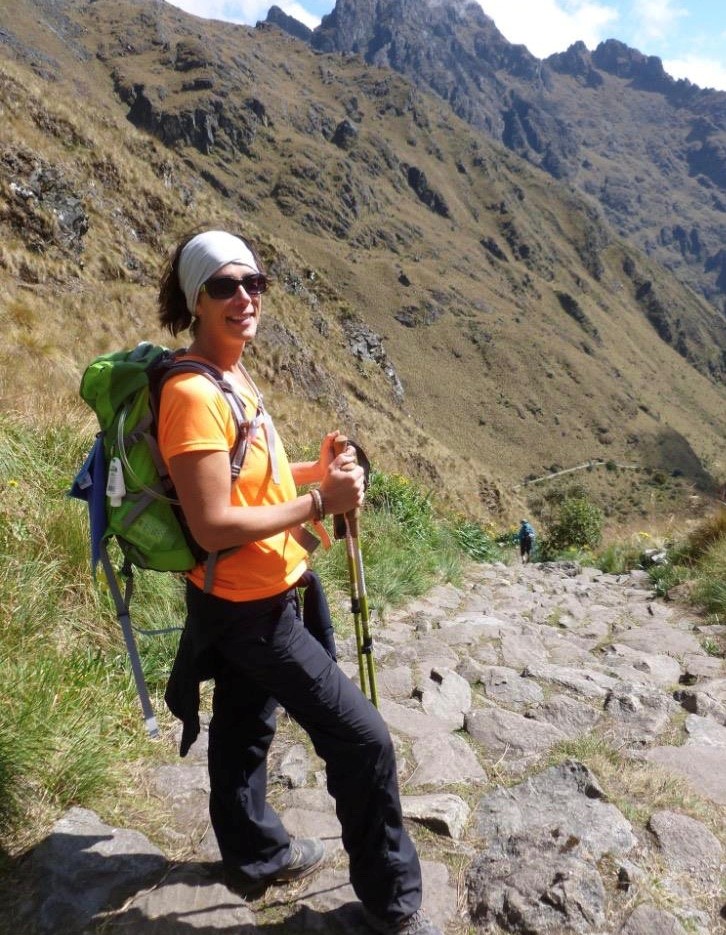
It was one of the hardest things I have ever done. Physically exhausting, mentally raw, and at times I wanted to quit. The altitude pressed against my lungs. My legs burned on switchbacks that seemed to climb forever. There were moments when every step felt like a negotiation with myself.
But somewhere along that trail, I learned something I had missed for years. Slow down. Take it in. This is the point. We often rush past survival without truly honoring it. Every day forward is something we have earned, and I had been so busy proving I could outrun my fears that I forgot to actually live inside the victory.
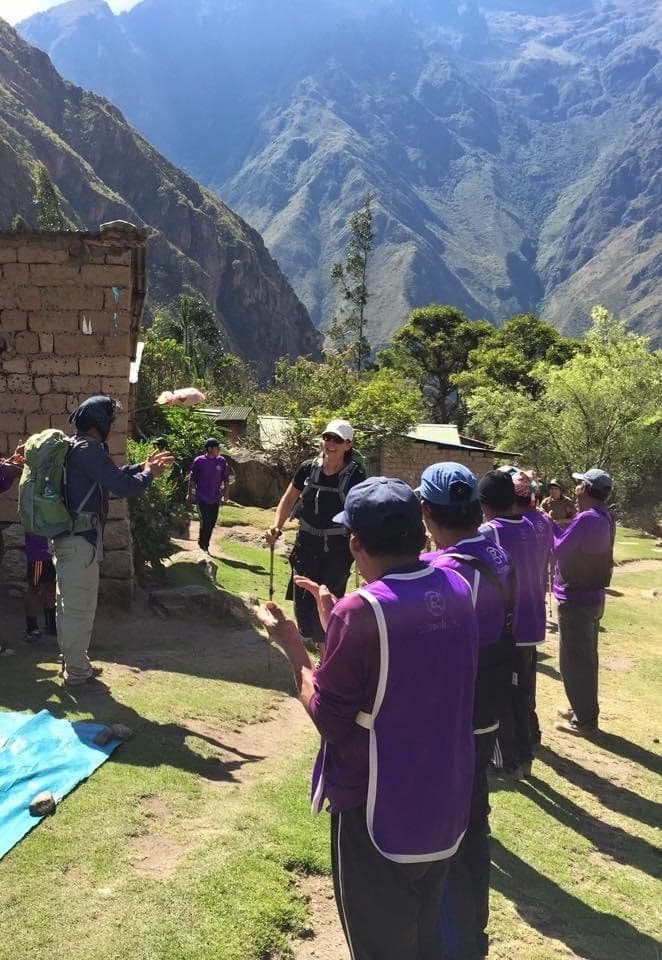
The porters who carried our supplies moved with a patience I envied. They understood something about pace that my ambitious brain had always rejected. Strength isn't speed. It's consistency and patience. The mountain teaches you this whether you want the lesson or not.
Gratitude at the Sun Gate
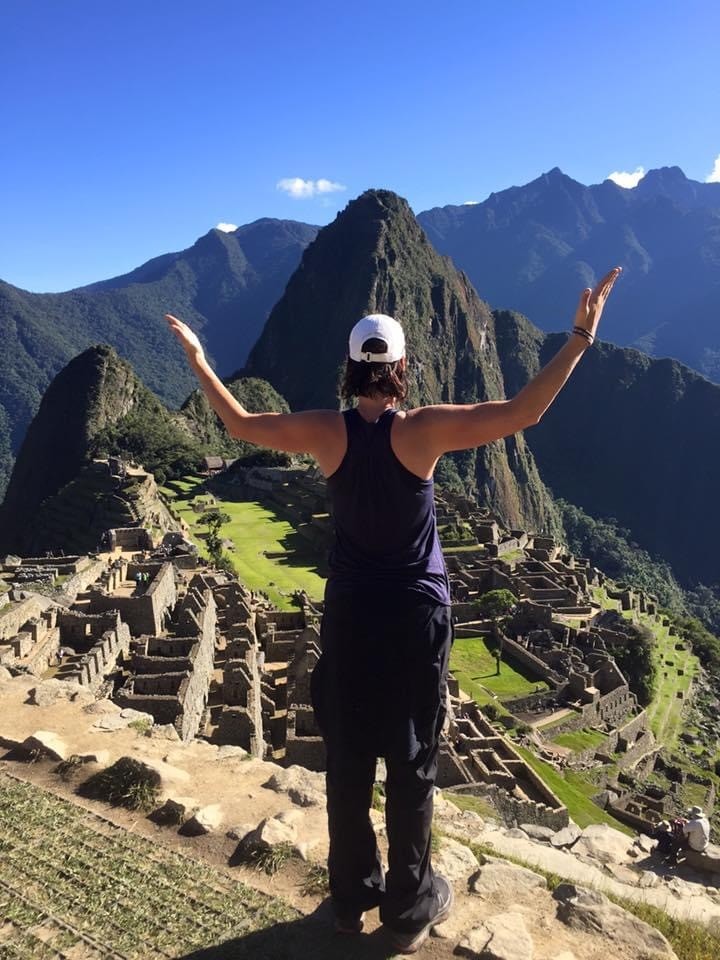
Reaching Machu Picchu wasn't just an accomplishment. It was gratitude. Standing at the Sun Gate as morning light spilled across those ancient stones, I felt the weight of everything I had survived lift just slightly. It was proof that even after your hardest moments, you are still here.
I keep thinking about that moment. The mist clearing slowly, revealing terraces and temples that had waited centuries for this exact morning. I wasn't just a tourist checking off a famous site. I was a survivor collecting evidence of my own resilience.
Who This Journey Is For
This trip is for anyone who wants to celebrate being alive. It's for those who have walked through something difficult and need a physical challenge to mark their emergence. The Inca Trail strips away everything except the essential questions: Can I take one more step? Am I willing to be uncomfortable for something meaningful?
But I'll be honest. If you want ease and luxury, this isn't your trip. If you need to move fast and check boxes, the trail will frustrate you. This experience demands surrender to a slower rhythm.
The same transformation exists in so many places around the world. On the Camino de Santiago, it's the internal conversations that happen when there's nothing left to distract you. On Kilimanjaro, altitude forces patience. In Patagonia, the vastness makes you feel small in the best possible way. Even in Bali, transformation can come through stillness rather than challenge.
When travel is designed with intention, it creates moments that shift you. Not because of where you are, but because of how you experience it. I now understand this in my bones, not just my brain. That's what I bring to my clients now. I know what it feels like to stand at Machu Picchu with tears streaming down your face, overwhelmed by the simple fact that you made it. You have already survived 100% of your worst days. Sometimes you need a mountain to remind you.