Katia's Rome: Where Ancient History Meets La Dolce Vita
I've recommended Rome to countless clients over the years. I've studied the maps, memorized the must-see attractions, and offered practical advice about navigating Vatican lines. But there's a vast difference between knowing a destination and truly feeling it. That's what pulled me to finally book my own exploration of this ancient city. I needed to experience Rome on my own terms, to walk the streets myself and discover what makes it so magnetic.
What I found there changed everything I thought I knew.
A City That Still Lives and Breathes
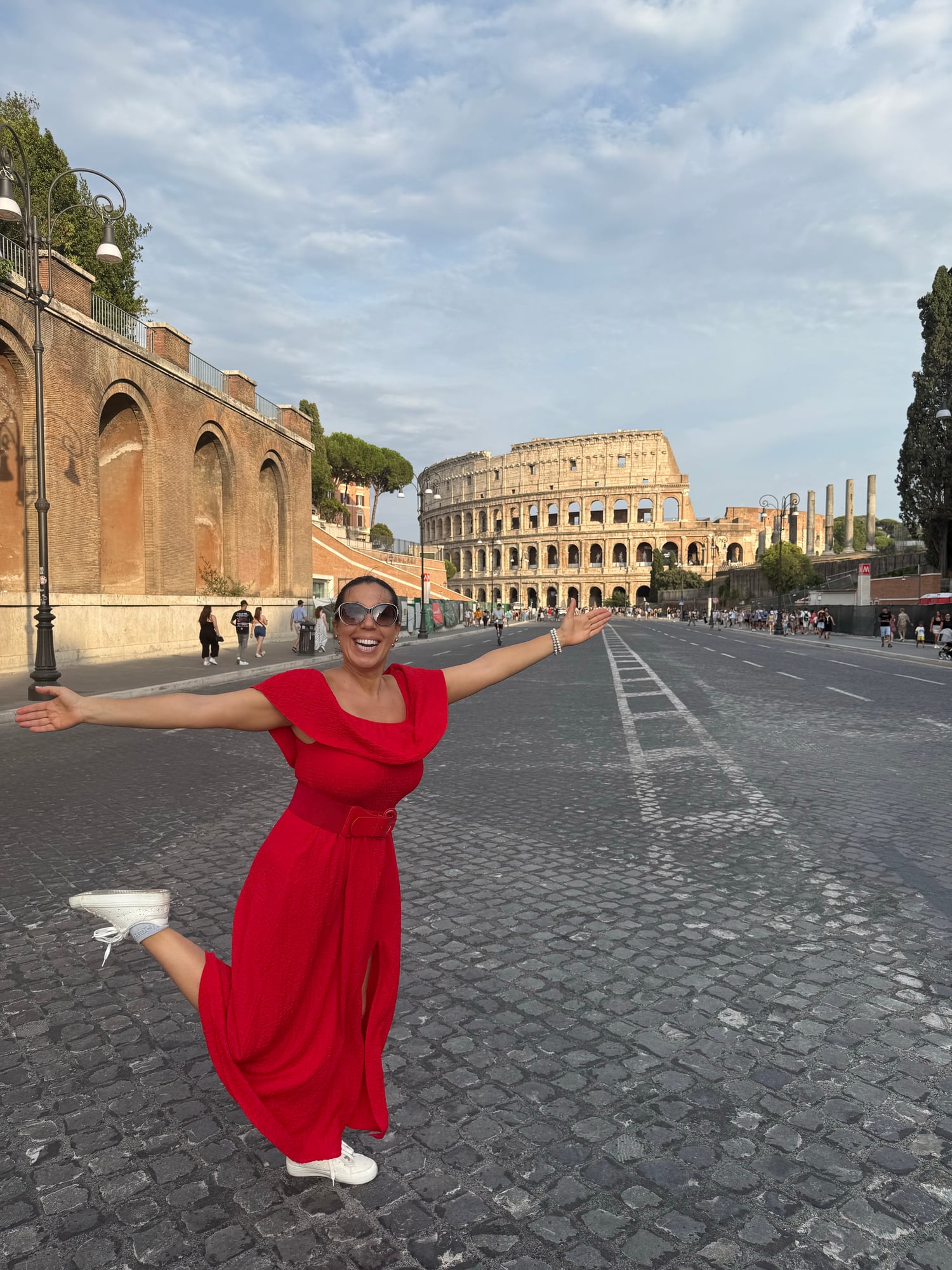
The first thing that struck me was how remarkably well-preserved everything is. Centuries of history stand right there in front of you, not behind ropes or reconstructed for tourists, but real and tangible. I walked through the Roman Forum imagining the lives that once filled those spaces. I stood in the Colosseum and felt the weight of two thousand years pressing down. These aren't dusty relics locked away in museums. They're woven into the fabric of a living, breathing city where ancient ruins sit comfortably next to neighborhood cafes.
But here's what surprised me most: the pace of life. Romans don't rush. There's no frantic energy, no sense that everyone is trying to get somewhere else. People sit at outdoor tables for hours, savoring their espresso, engaging in animated conversation, actually looking at each other instead of their phones. The interpersonal connection I witnessed was genuine and unhurried. After a few days, I found myself slowing down too, taking longer lunches, lingering over a glass of wine as the afternoon light shifted across terracotta rooftops.
The Insider Details That Matter
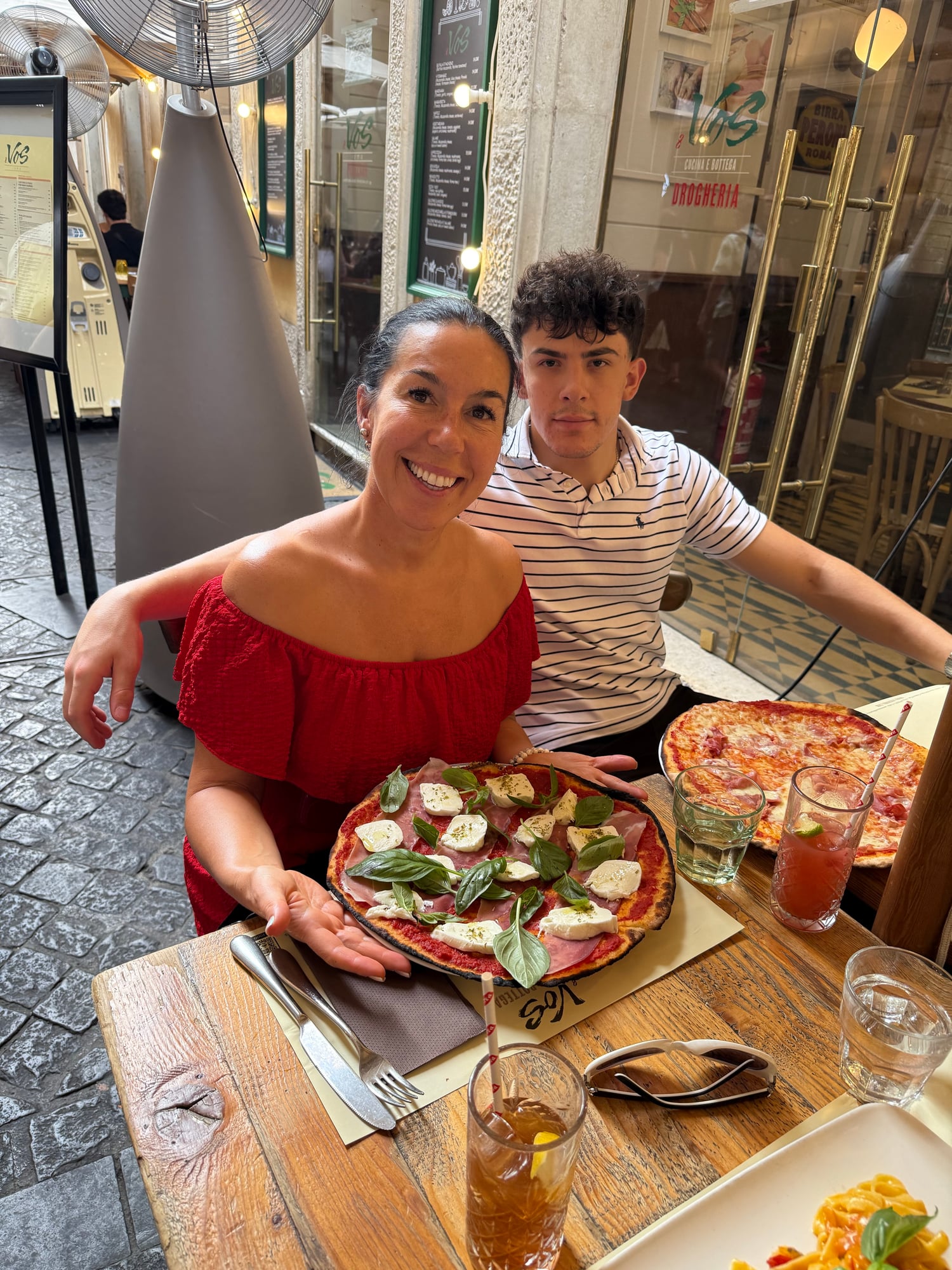
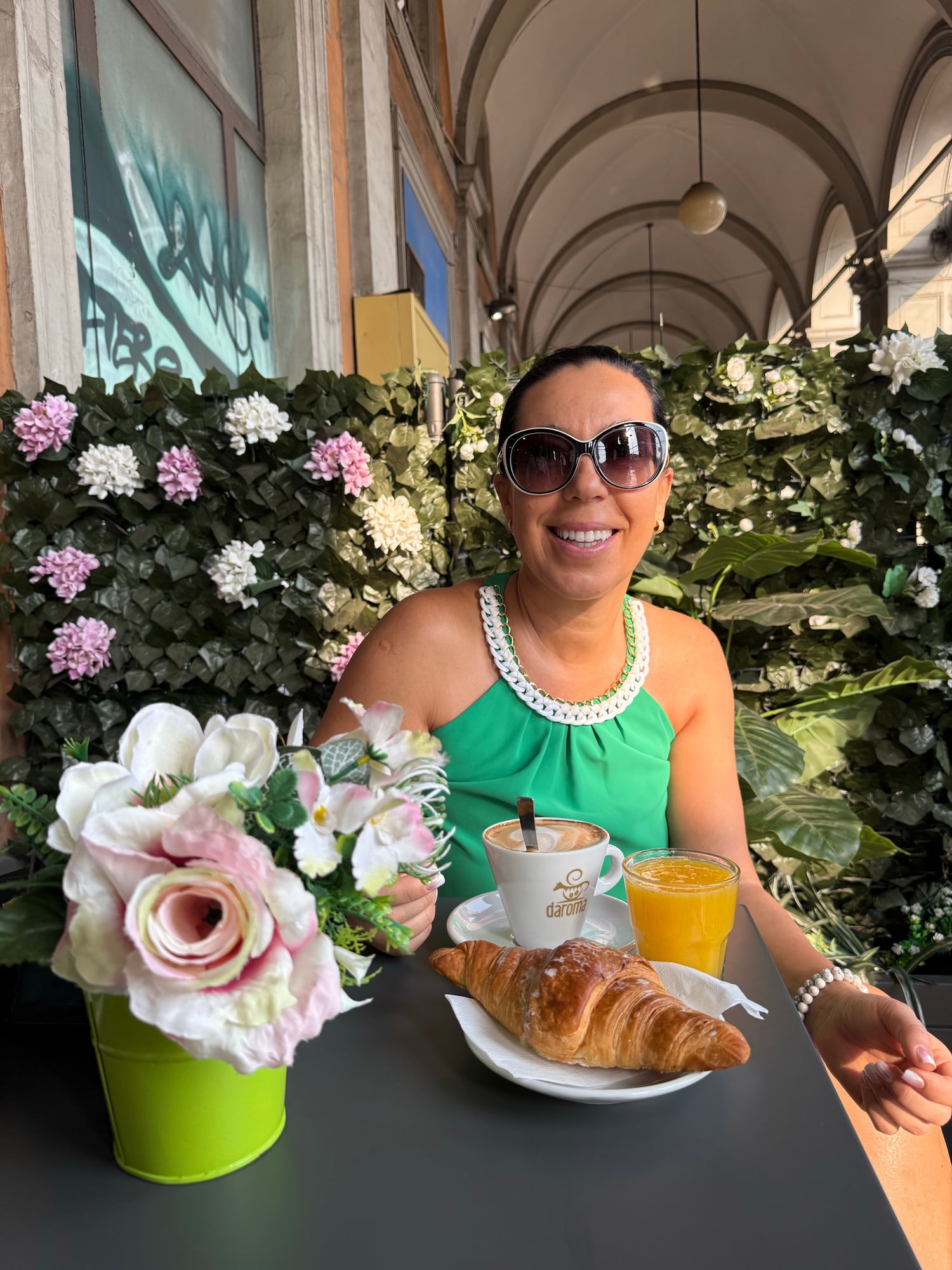
The food alone would be worth the trip. Every meal felt intentional, from simple pasta dishes with perfectly balanced sauces to the crusty bread that appeared at every table. I learned to eat like a local, which meant skipping breakfast (or grabbing just a cornetto and cappuccino at a standing bar), enjoying a leisurely lunch, and then a late dinner after the evening passeggiata. This rhythm felt completely natural once I surrendered to it.
One piece of advice I'll share with every client going forward: avoid summer if you can. The heat is intense and the crowds can be overwhelming. Spring and fall are ideal. The temperatures are comfortable for all that walking (and you will walk, gloriously, over those beautiful cobblestones), the light is softer for photographs, and the city feels less like a tourist attraction and more like what it truly is, a place where people live their everyday lives.
Who Should Go (Hint: Almost Everyone)
Here's the beautiful thing about Rome. It welcomes everyone. I saw families with young children captivated by gladiator stories. I watched couples celebrating anniversaries over candlelit dinners in hidden piazzas. I met solo travelers sketching in their journals on the Spanish Steps. Age doesn't matter. Travel style doesn't matter. Rome has something for the history lover, the foodie, the romantic, and the curious wanderer alike.
The only travelers I'd counsel to plan carefully are those with mobility challenges. Those charming cobblestone streets and ancient sites aren't always accessible, and Rome involves a lot of walking on uneven terrain. With proper planning and the right accommodations, it can absolutely work, but it requires thoughtful preparation.
What I'll Do Differently Now
Having experienced Rome myself, I understand something I couldn't have learned from any guidebook. This city rewards those who wander beyond the obvious attractions. When I return (and I absolutely will), I'll venture deeper into the remote corners of neighborhoods like Trastevere and Testaccio. I'll find those quiet spots where locals gather, away from the major sites. And I'll encourage my clients to do the same, to leave room in their itineraries for getting wonderfully lost.
My biggest takeaway applies far beyond Rome: go with an open mind. Every destination has something unique to offer when you release your expectations and let the place reveal itself to you. Rome taught me that lesson in the most delicious, beautiful, historically rich way possible. I cannot wait to help my clients discover it for themselves.