Autumn Fiske Discovers Cuba's Soulful Side Beyond the Resort
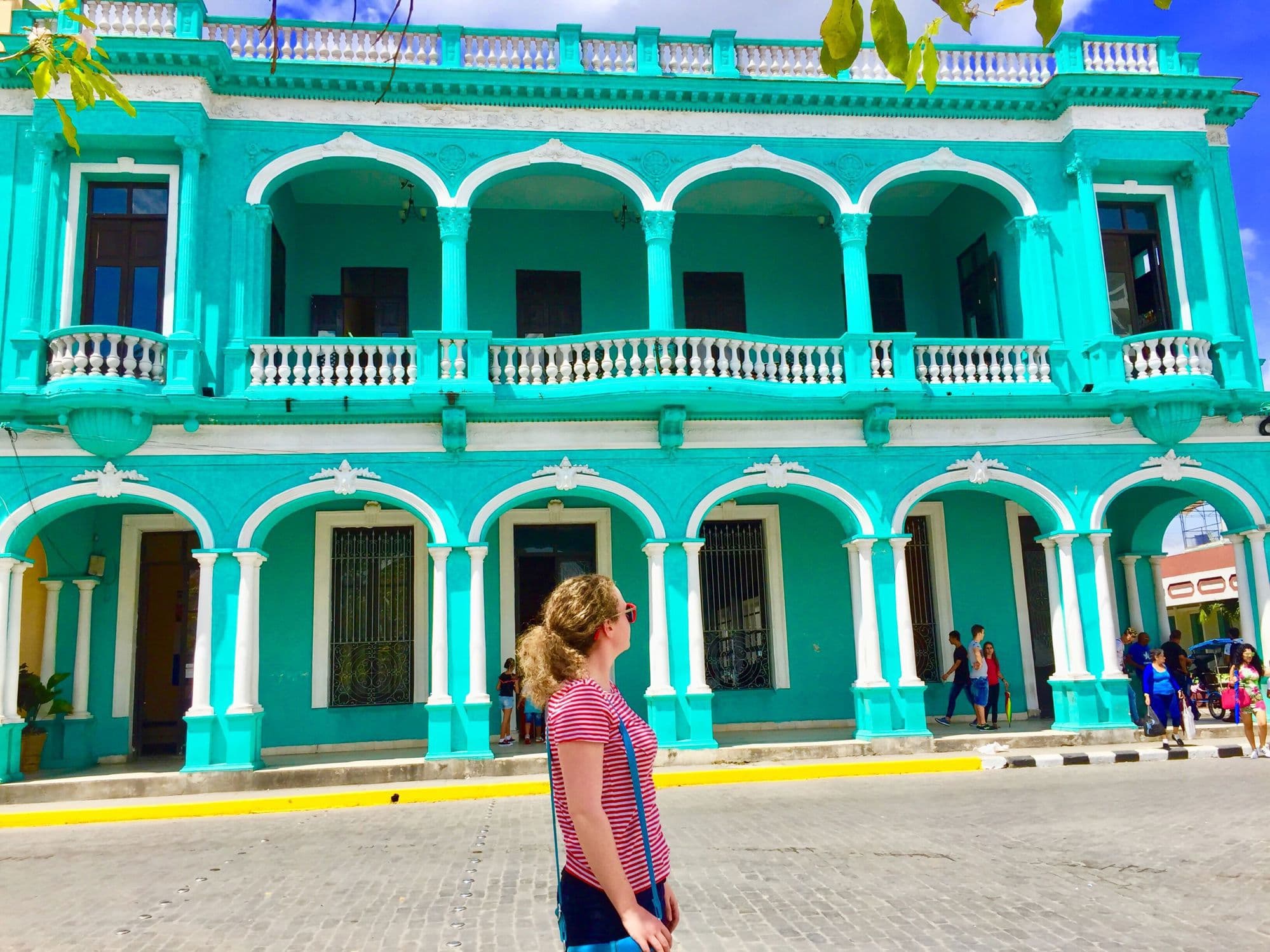
Prior to the pandemic over 1 million Canadians flocked to Cuba seeking sun, sand, and an escape from winter's grip. But time and again, clients would return with the same feedback: the food was bland, forgettable, nothing to write home about. I knew there had to be more to the story. So I packed my bags and set out to experience Cuba on my own terms, determined to find the soulful cuisine I suspected was hiding somewhere beyond the all-inclusive buffet lines.
What I discovered changed everything I thought I knew about Cuban food, and about how to truly experience this remarkable island.
A Week in Casas Particulares
Instead of booking a resort, I spent a week staying in Casas Particulares (Cuban homestays) across three cities: Havana, Viñales, and Trinidad. Each morning, I woke to breakfasts prepared by my hosts, meals that told the story of Cuban home cooking. There was always fresh fruit on the table, including those tiny bananas I quickly became obsessed with, alongside perfectly cooked omelets. What struck me most was how the food tasted so vibrant without heavy spices. Cubans let their fresh ingredients speak for themselves, and when you're eating produce picked that morning, it absolutely does.
During a day trip to Cayo Levisa, I found seaside restaurants serving fresh and delicious seafood. The secret, I realized, isn't that Cuban food lacks flavor. It's that the best of it lives in locally run restaurants and private homes, not in resort kitchens cooking for hundreds of guests. When you eat where Cubans eat, you taste real Cuban cuisine.
Dancing Like I Belonged
In Trinidad, something unexpected happened. I signed up for a salsa dancing lesson, which felt risky for someone who doesn't consider herself particularly coordinated. But our instructor made it feel effortless, breaking down the steps until they clicked. Later that evening, our small group ventured to a local dancing club packed with both visitors and Cuban locals. When a local man asked me to dance, I hesitated. But he was such an incredible lead that within moments, I felt transformed. He actually made me look and feel like I hadn't just learned salsa a few hours earlier. It was pure joy, the kind of travel moment you can't manufacture or find at a poolside dance class.
That night taught me something about Cuba. The locals genuinely want to share their culture with visitors. They're warm, welcoming, and happy to include you in the rhythm of their daily lives.
Practical Wisdom for Future Travelers
One thing every traveler needs to know: Cuba uses the Cuban Peso (CUP), and you can easily exchange Canadian dollars at official CADECA exchange offices upon arrival. However, it's prohibited to leave Cuba with CUP currency. I recommend exchanging any remaining pesos before heading to the airport, as the queues at airport exchange offices can be painfully long.
Cuba's tourism industry is evolving rapidly. Recent reforms are revitalizing the island's travel sector, and I predict demand will surge as the destination opens up further. My advice? Book flights early. Direct routes from Canada serve Havana, Varadero, and Holguín, but seats will fill quickly as word spreads.
Who Should Experience Cuba This Way
This style of travel isn't for everyone, and that's okay. If you prefer an all-inclusive experience where you can relax on the beach without venturing far from your resort, that's a perfectly valid vacation. Stick with what brings you joy. But if you crave genuine cultural immersion, if you want to wake up in a Cuban home, learn to dance with locals, and taste food that carries generations of tradition, then partnering with a trusted tour operator for a homestay experience will transform your trip entirely.
I'm already planning my return. Next time, I want to explore Cuba by bicycle, pedaling through the Garden Province of Pinar del Río, past the famous mogotes, and along the Ancón peninsula coastline. The quiet, traffic-free rural roads and friendly locals make it an incredible cycling destination.
Cuba revealed itself to me in ways I never expected, and now I can't wait to help my clients discover it too. The real Cuba is waiting, but in the kitchens, dance floors, and homes of the people who call this island paradise their own.