Jordan Discovers Slovenia's Alpine Soul Beyond Croatia's Shadow
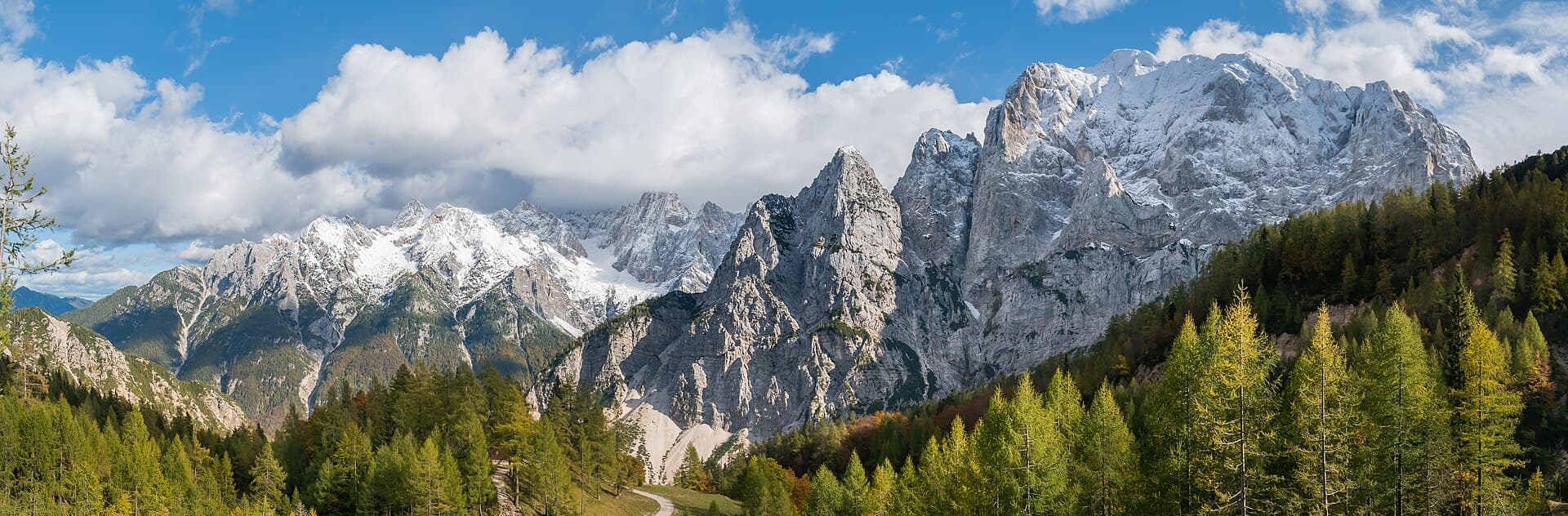
For years, I'd been routing clients through Croatia on autopilot because I knew it well. But every time I pulled up a map, Slovenia sat right there, quietly waiting. I kept telling myself I'd get there eventually. This September, I finally stopped making excuses and booked six days to see what I'd been missing.
I wanted to understand Slovenia on its own terms, not as a cheaper Austria or a quieter Croatia. That meant doing it my way: flights into Ljubljana, small family-run guesthouses instead of chain hotels, and a rental car from day three so I could explore the alpine valleys at my own pace. I had no fam trip itinerary guiding me, just my own curiosity and a sense that I'd been underestimating this place.
The Experience
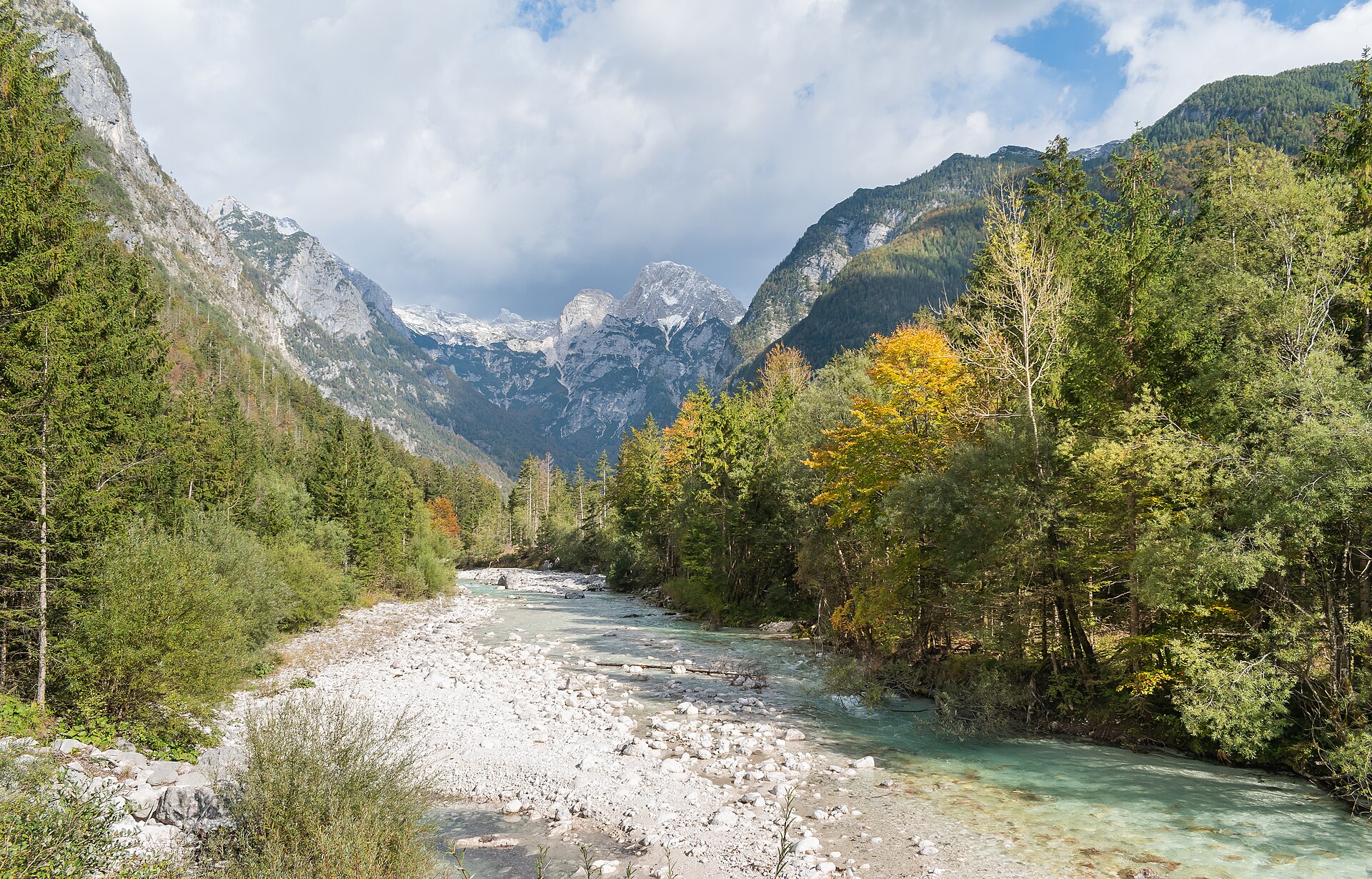
My first surprise was Ljubljana itself. I'd mentally filed it as a one-night stopover city, the kind of place you pass through on your way somewhere else. Three nights later, I realized how wrong I'd been. The old town has genuine depth to it. Quiet cobblestone streets lead to intimate wine bars and cafés tucked into courtyards. It's small enough to walk everywhere yet substantial enough to reward unhurried exploration. I found myself lingering over coffee each morning, watching the city wake up along the Ljubljanica River.
But the moment that truly stopped me was driving the Vršič Pass. Fifty hairpin bends, each one marked with a numbered stone marker, and the valley opening up further with every turn. I pulled over near the top on a Tuesday morning in late September. Almost no one else was there. I've driven plenty of scenic roads for work, but this one genuinely made me pause. The silence at that altitude, the Julian Alps stretching out in every direction, the crisp autumn air. It's the kind of moment you can't manufacture from a brochure.
What struck me most was how compact everything is. I'd budgeted the trip assuming mid-size European country distances, but Slovenia rewrites those expectations entirely. Standing in Ljubljana's old town at nine in the morning, I could reach an alpine valley by eleven. That changes everything about what's possible in a week. You don't have to choose between city culture and mountain adventures. You get both, without the exhausting transfers.
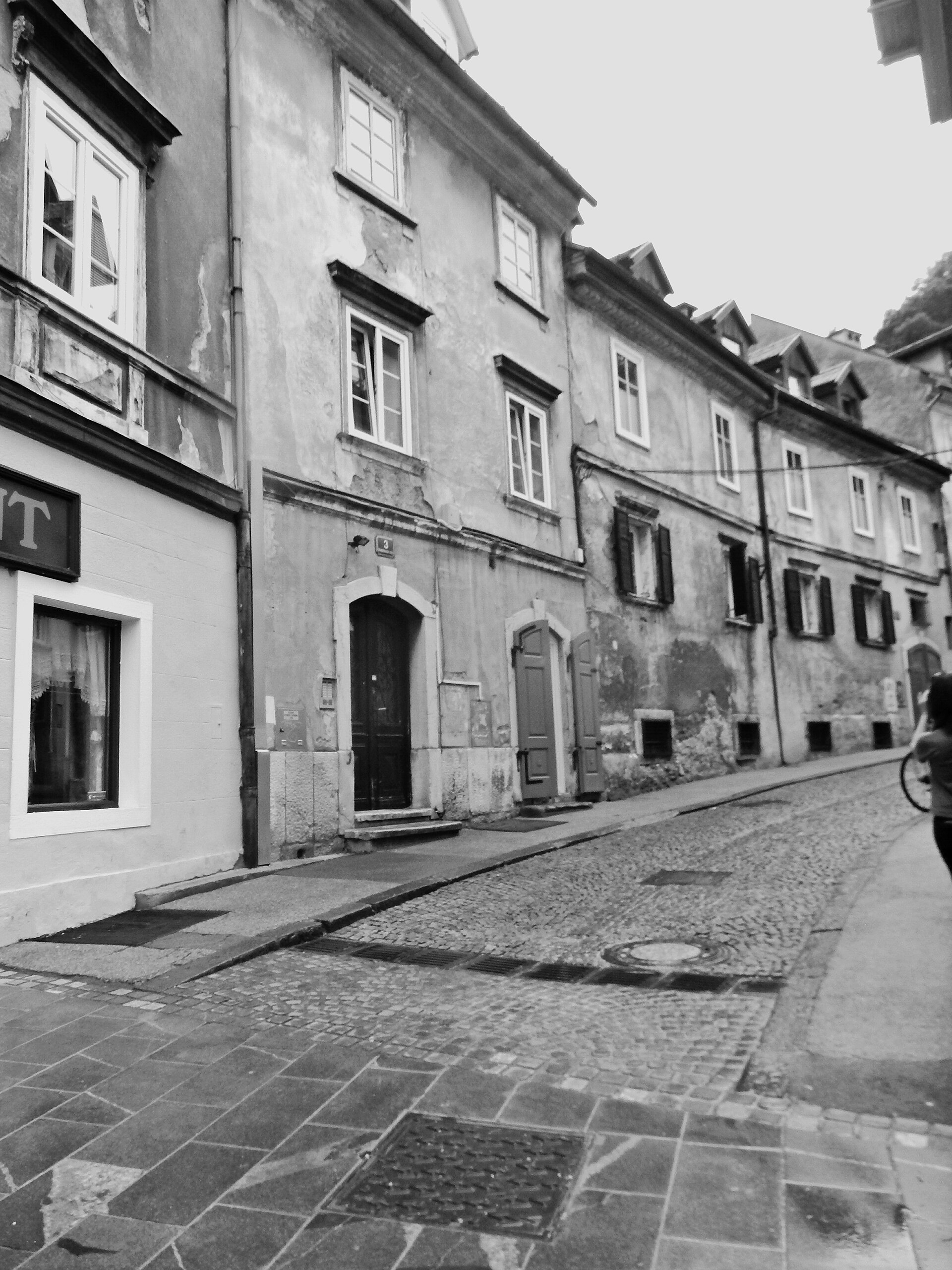
Here's something most travelers wouldn't figure out on their own: base yourself in Bovec rather than Bled if the outdoors is the point. Bled is beautiful and absolutely worth a half day, but it's where the tour coaches go. Bovec is an hour and a half further into the Soča Valley, and it's a completely different experience. The turquoise river, the hiking trails, the sense of having discovered something real. Also worth noting: the Vršič Pass typically closes with the first serious snow in October, so late-season travelers need a backup plan built into the itinerary, not discovered on the day.
Who This Is For
Slovenia is perfect for active couples who want genuine outdoors without the crowds or the price tag of the Alps proper. It works beautifully for multi-generational families with teenagers who can appreciate a good hike. And it's excellent for a first self-drive trip in Europe, where the roads are well-maintained and the distances are forgiving. However, I wouldn't send someone looking for beach weeks, big resorts, or lively nightlife. And if a client is uncomfortable with mountain driving, we'd need to have an honest conversation first.
I can position Slovenia properly now instead of hedging. I know which valley suits which kind of traveler. I know three nights in Ljubljana works and one doesn't. I know to build the car hire in from day three rather than day one so nobody's paying for parking they don't need. When a client asks whether it's really worth adding on to a Croatia trip, I can tell them with confidence why it deserves to be the trip rather than the add-on. Slovenia taught me that the country next door to the one everyone books is nearly always worth the time to explore. I can't wait to send the right clients there.