Shari Lukens Sailed 500 Miles from the North Pole
I've been to the Arctic before. I thought I knew what to expect. But sailing from Tromsø, Norway to Svalbard aboard the Seabourn Venture taught me that this frozen corner of the world still holds surprises, even for those of us who think we've seen it.
As a travel advisor, I needed to experience expedition cruising at this level firsthand. My clients increasingly ask about remote destinations, places where the landscape feels untouched and the wildlife doesn't know to be afraid of humans. Svalbard kept appearing in those conversations. So I went.
Into the Ice
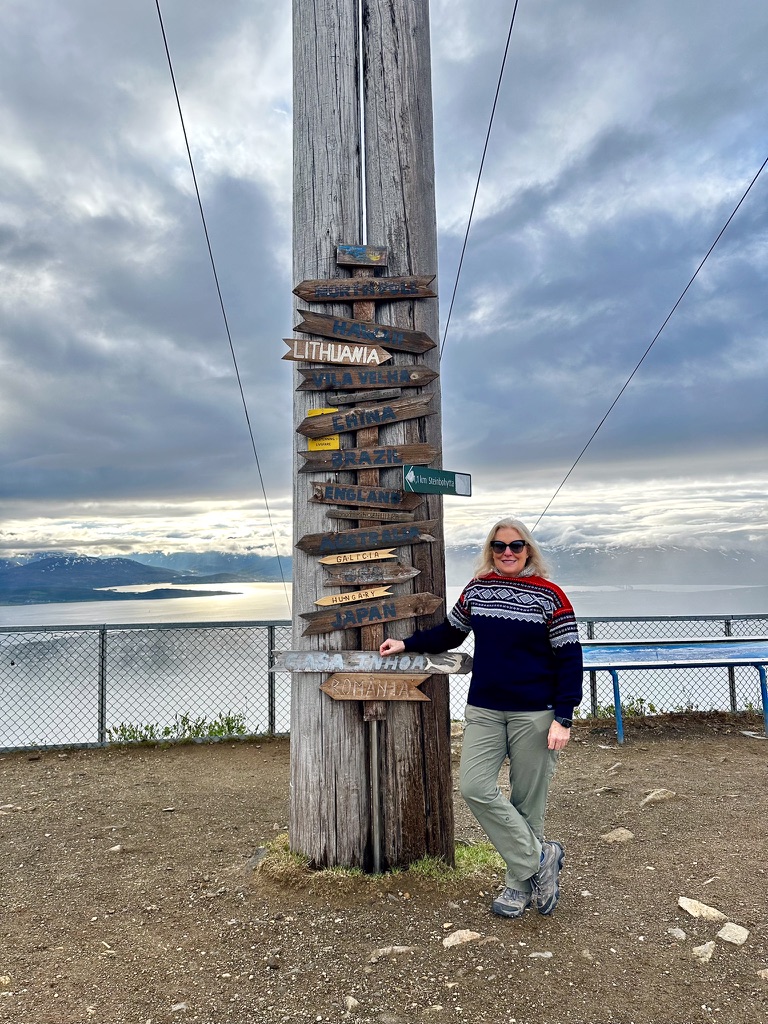
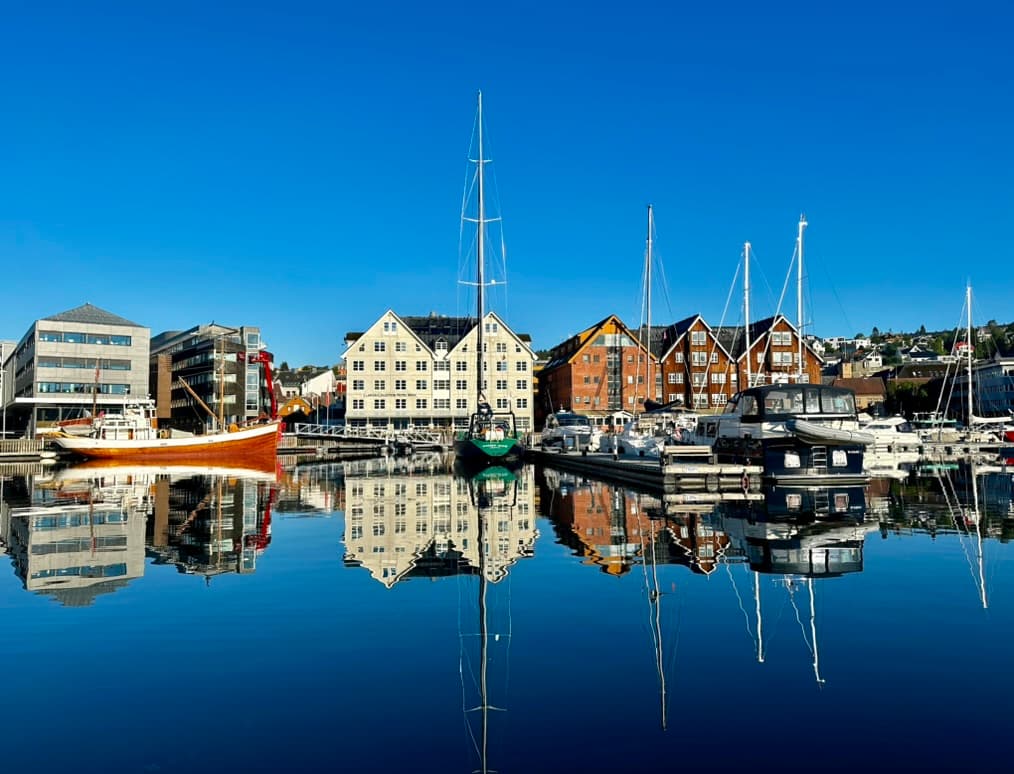
We embarked in Tromsø, a quaint Norwegian town where I couldn't resist buying a beautiful wool sweater while browsing the shops. But once aboard, everything changed. We sailed north past North Cape, through the Barents Sea, and traversed the northern edge of Svalbard until we reached a point about 500 miles south of the North Pole. There, the ship broke into the ice and we sat for nearly three hours. Just sat there, surrounded by white silence and cold air so pure it almost hurt to breathe.
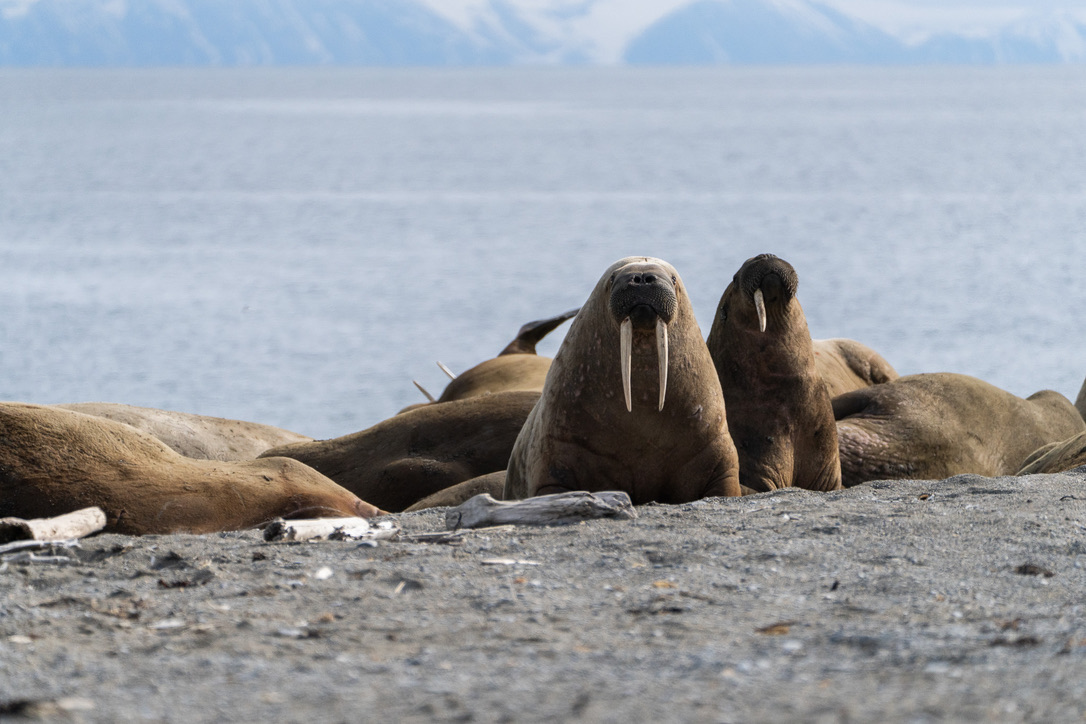
The wildlife encounters were spectacular. Polar bears appeared against the stark white landscape. Walruses hauled themselves onto ice floes and, frankly, wanted to get way too close to our zodiacs for comfort. Reindeer grazed in valleys that seemed impossible for anything to survive. Arctic foxes darted across rocky terrain. And the birds, so many different species, their calls echoing across the water.
What I didn't expect was how different Svalbard would feel from my previous Arctic expedition. There are no small villages here, no indigenous communities living along the coast. The only real settlement is Longyearbyen on the island of Spitsbergen. Our guides shared stories about early inhabitants, their rituals, their struggles. The terrain is unforgiving. Life here was never easy, and it wouldn't be easy today. That context made every landing feel more profound.
The Secret to Seeing Everything
Here's what I tell everyone now: spend as much time on deck as possible, even when it's cold. Wildlife sightings happen with little warning. A beluga whale surfaces, a polar bear appears on distant ice, a walrus haul-out comes into view. These moments last only minutes. Being outside means you hear it too: glacier calving in the distance, seabird colonies chattering, whale blows breaking the surface. And the silence. That particular Arctic silence you simply cannot experience behind glass.
The Seabourn Venture showcased this destination exquisitely. With only about 260 guests and 223 crew, the attention to detail was extraordinary. The guides and hosts brought genuine expertise. Evening lectures recapped what we'd seen that day and previewed the next day's adventures. Most days, we were off the ship in zodiacs, landing to walk and hike the terrain with guides who made every moment educational.
Who This Trip Is Really For
Adventure seekers and curious learners will thrive here. But here's what surprised me: you don't have to be particularly fit or consider yourself a "real adventurer" to do this. Expedition ships today have the means to help you in and out of zodiacs even with mobility challenges. These are not barriers anymore. Some guests on my voyage never left the ship, not because they couldn't, but because they simply preferred the onboard experience while their partners explored. The lectures and wildlife viewing from the ship offered plenty for them.
If you crave remote places, if you want to stand where very few humans have stood, if you're drawn to landscapes that feel like another planet, this is your trip. I understand now, in a way I couldn't before, what expedition travel really offers: the chance to live something rather than just see it. Some experiences simply cannot be put into words. You have to be there. And I cannot wait to send my clients to discover that for themselves.