Nicholas Ruge's Expedition to the Galapagos' Remote Northwest
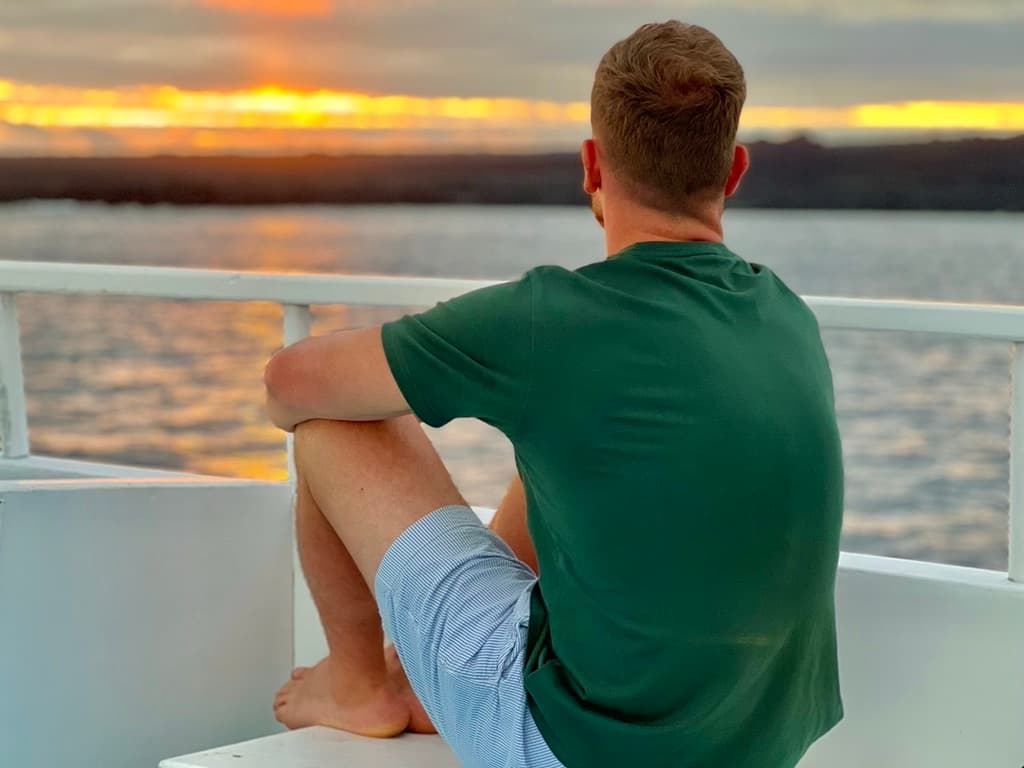
I've long been drawn to destinations where wildlife and landscape exist on their own terms, places where human presence is thoughtfully regulated and ecosystems thrive untouched. So when the opportunity arose to join a G Adventures familiarisation trip through the Galapagos Islands' northwest and central regions aboard the Lolita Expedition ship, I knew this was exactly the kind of immersive journey I needed to experience myself.
What I found exceeded every expectation. The remoteness of the north and west islands struck me immediately. Walking across the dramatic lava fields of Bartolome and Santiago, I felt transported to another world entirely. These weren't places you simply visit; they demanded physical engagement, mental presence, and a willingness to be humbled by geological forces far older than human memory.
An Expedition in the Truest Sense
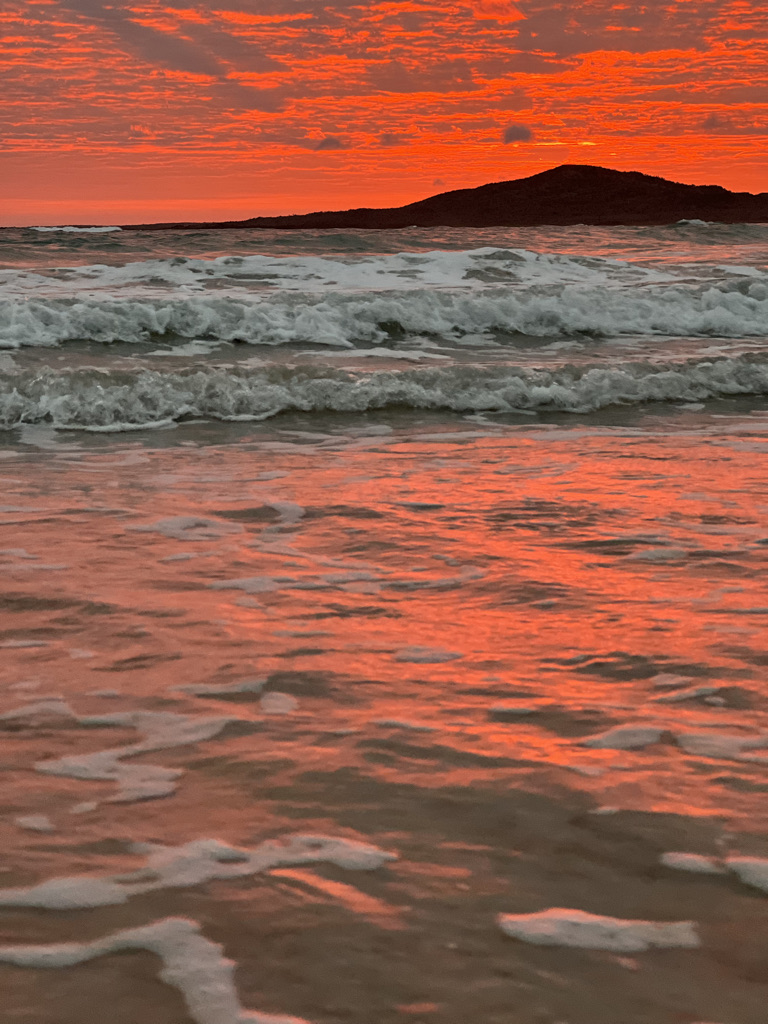
What surprised me most was how much of an authentic expedition this was. We had two to three excursions planned each day, combining wet and dry panga landings, snorkeling sessions, and walks over unyielding lava terrain. The physical pace was invigorating. We would start our days early to catch wildlife at its most active, then leave evenings for dark sky stargazing and quiet reflection. The intimacy aboard the Lolita vessel made all the difference. We had our own dedicated Chief Experience Officer and expert naturalist guide, with zodiac landings that remained flexible enough to curate daily excursions based on conditions and wildlife activity.
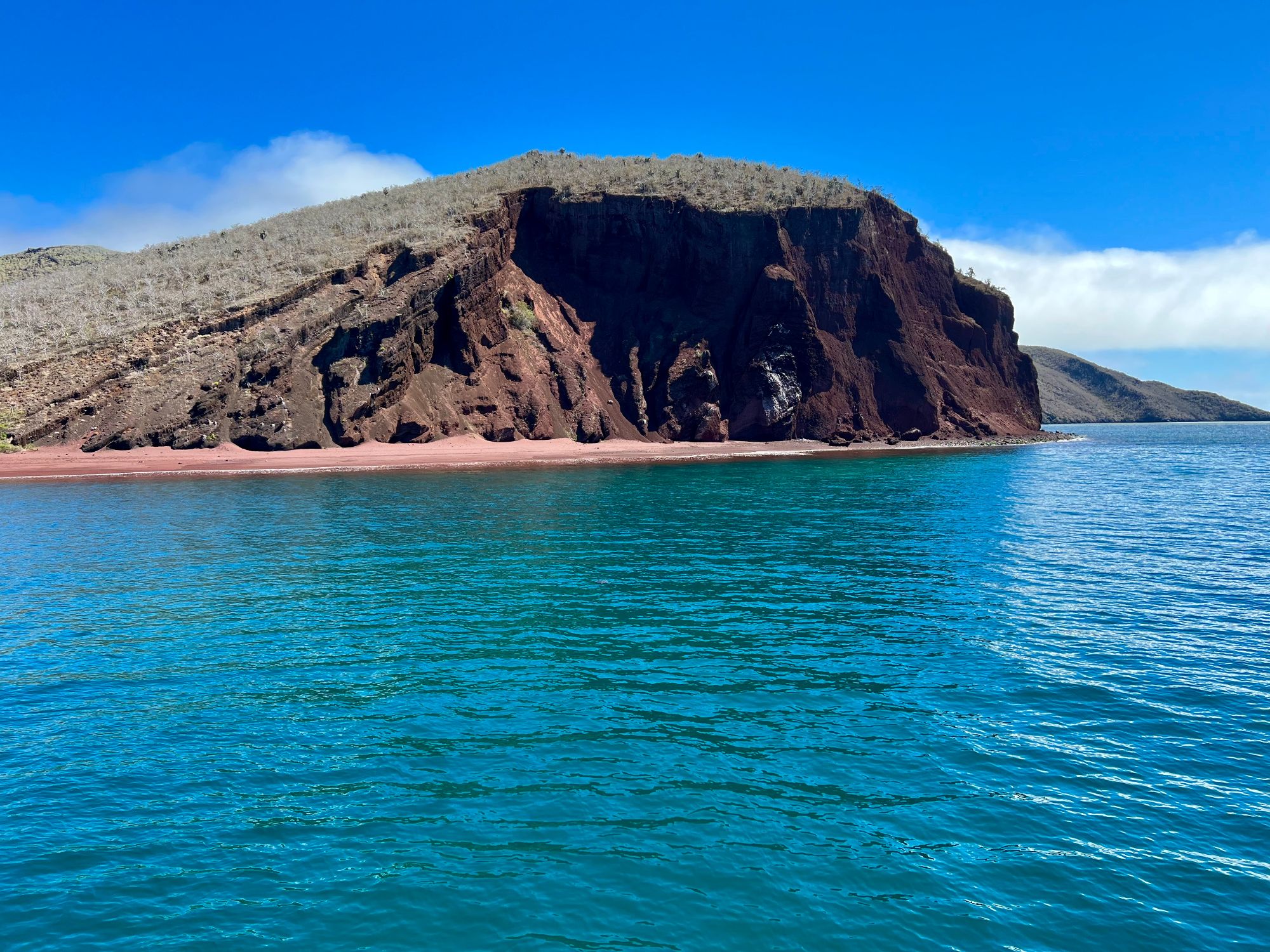
The landscape diversity caught me completely by surprise. In Genovesa, we explored a sunken volcanic caldera teeming with vast seabird colonies. Bartolome and Sullivan Bay offered surreal, moon-like expanses of fresh rippled, dazzled lava. On Rabida Island, we were welcomed by dark red sand beaches, their striking color driven by iron-rich lava deposits. Then on Isabela Island, everything shifted to high altitude, lush cloud forest and the expansive caldera of Sierra Negra volcano.
Wildlife Without Fear
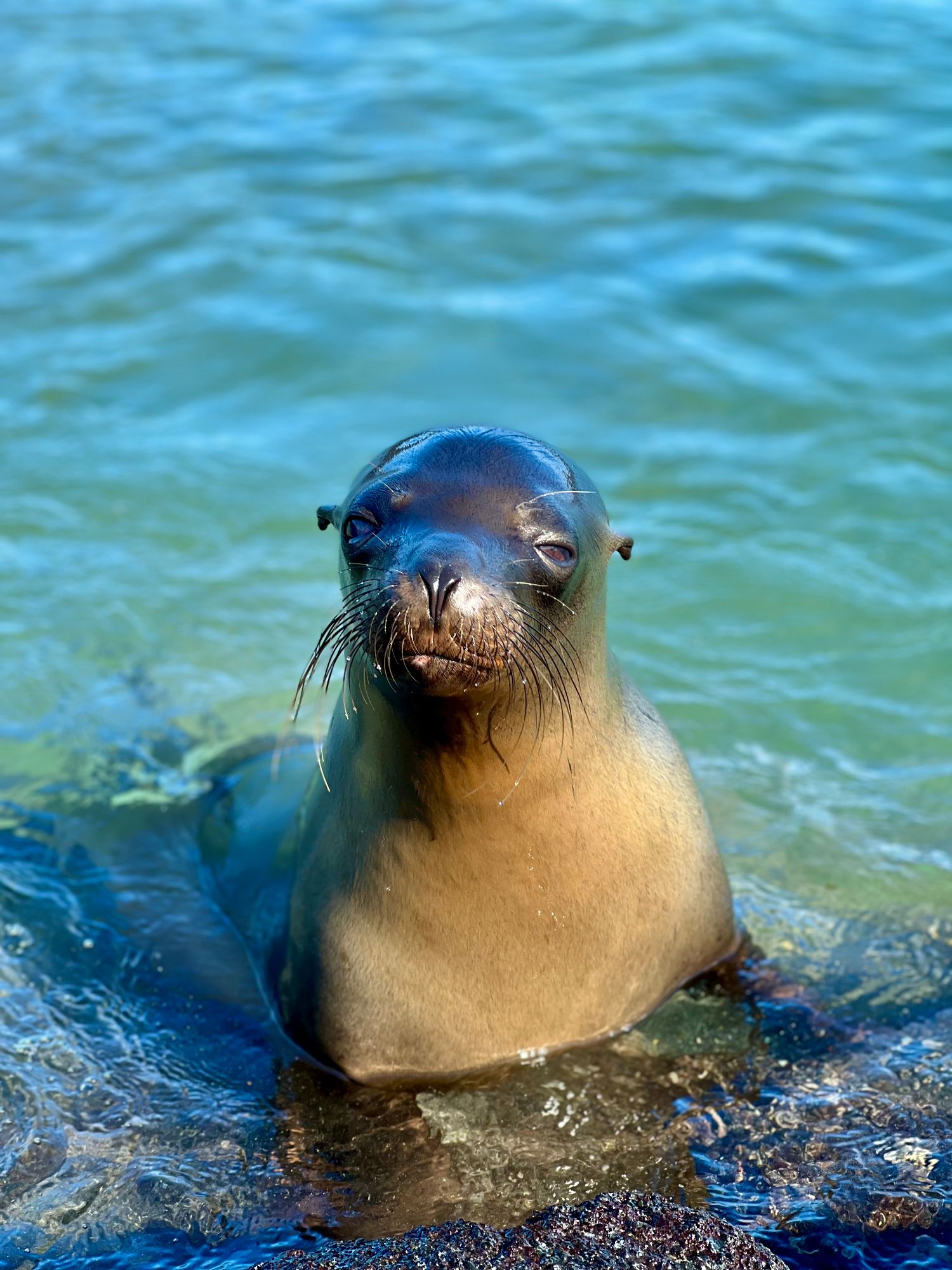
Because human presence is strictly regulated by the Galapagos National Park, the wildlife shows virtually zero fear of humans. This created truly remarkable moments I still think about constantly. Marine iguanas would bask on the paths right at our feet, spitting salt water out of their noses without a care. Sea lion pups would swim up to inspect our snorkel masks with genuine curiosity. Blue and red footed boobies nested alongside foot paths without batting an eye.
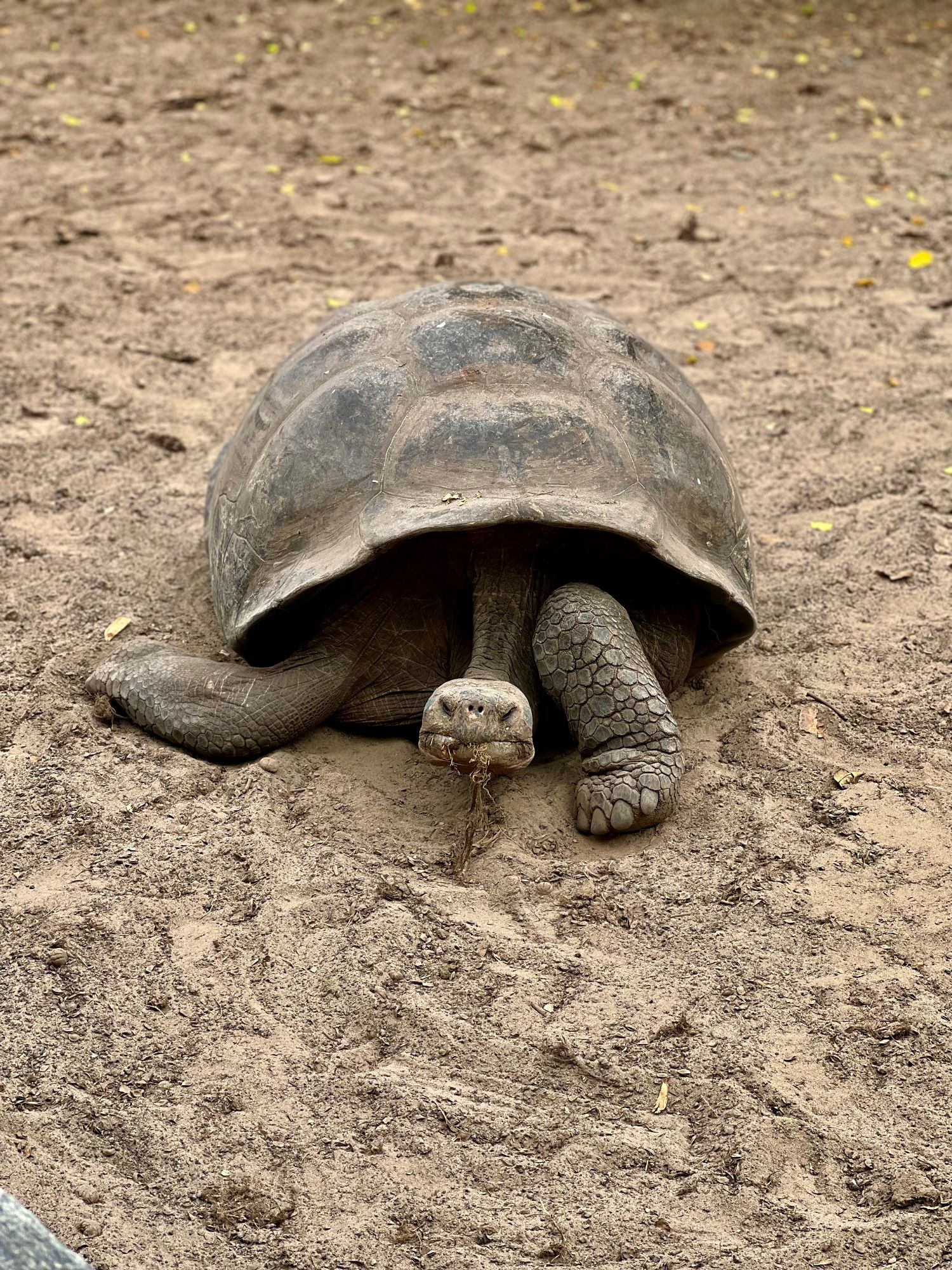
The unrivaled wildlife encounters underwater were equally compelling. I snorkeled alongside flightless cormorants, Galapagos penguins, marine iguanas feeding beneath the surface, giant sea turtles, white tip sharks, jellyfish, sea horses, and playful sea lion pups. Once on land, we even got to interact with one of the oldest giant tortoises in the world. Being completely surrounded by aquatic and terrestrial life, all creatures unfazed by our presence and entirely in their own element, was an experience no amount of research could have prepared me for.
Who This Journey Is Perfect For
This trip is ideal for adventure enthusiasts, scuba divers, and anyone who loves being in the water. If you have an appreciation for marine biology, ecology, or have studied Darwin's papers and research, you'll find this intellectually rewarding on every level. Photographers who enjoy capturing wildlife in their natural element will find endless opportunities here. Small groups wanting a different type of vacation, one that involves challenging activities and expedition style touring, will thrive.
For those considering this journey, I have some practical insights. Look into Copa Airlines and consider adding a stopover in Panama for the coffee regions, as well as time in Quito before or after your Galapagos expedition. Pack your own snorkeling mask for comfort during the two to three sessions each day. Travel with just a carry-on knapsack and small roller bag. And timing matters: I visited in October and found the central and west islands very dry with desert-like heat, but this actually meant we could see more wildlife. If you prefer everything in full bloom during the wet season, aim for December through winter.
This firsthand experience confirmed something I've been sensing with more travelers: there's a genuine shift toward purpose-driven, immersive journeys that leave communities and ecosystems better than we found them. The Galapagos delivers exactly that, and I cannot wait to help clients experience it for themselves.