Maria's Antarctic Journey: Where Glaciers and Wildlife Collide
There are destinations you recommend because you've studied them. Then there are destinations you recommend because they've fundamentally changed how you see the world. Antarctica is the latter.
I'd been planning Antarctic expeditions for clients for years, describing the glaciers, the wildlife, the otherworldly isolation. But something always felt incomplete. How could I truly convey what it means to stand at the end of the world without having been there myself? That question finally pushed me to book my own passage south.
The Reality of Ice and Life
Nothing prepares you for the scale of Antarctica. I've seen impressive landscapes before, but the massive glaciers here exist on a different magnitude entirely. They don't just sit in the distance for you to admire. They surround you, tower over you, make you feel wonderfully small. The ice takes on colors I hadn't expected (blues so deep they seem impossible, whites so pure they almost hurt your eyes).
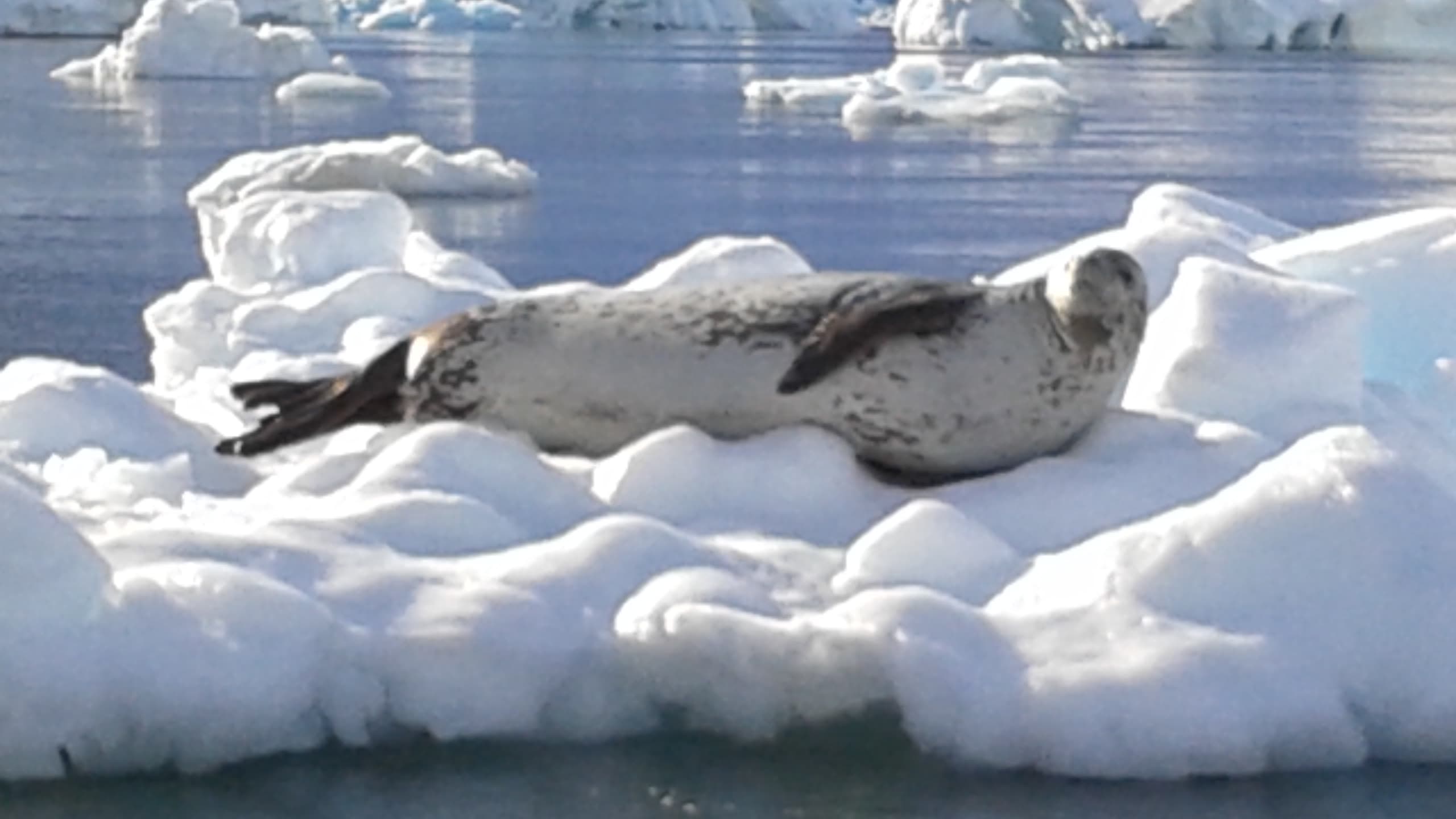
And then there's the wildlife. I knew I'd see penguins. What I didn't anticipate was seeing thousands of them. Entire colonies stretching across rocky shores, their calls creating a constant soundtrack that still echoes in my memory. Whales surfaced near our vessel, their massive bodies breaking through waters that were growing increasingly filled with icebergs as our expedition progressed. Seals lounged on ice floes, unbothered by our presence, existing in a world where humans are merely curious visitors.
Unexpected Lessons from the Ice
What surprised me most were the unexpected landslides. No one mentions these in the brochures. The glaciers are alive, constantly shifting, calving, restructuring. One moment you're admiring a pristine wall of ice, and the next you hear a thunderous crack as tons of frozen water reshape themselves. It's humbling. It's also a reminder that Antarctica operates on its own terms.
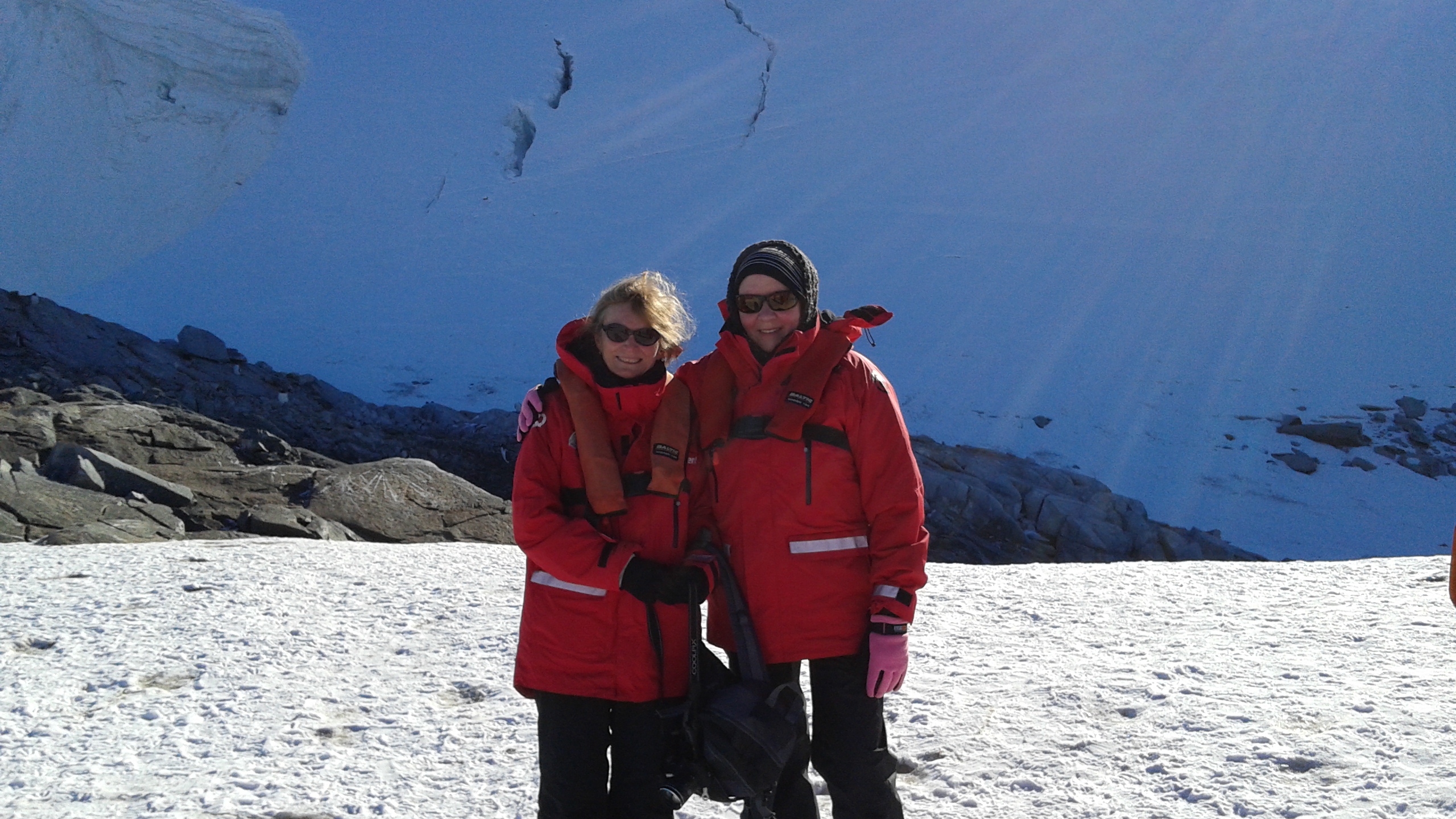
Here's what I now tell every client considering this journey: dress warmer than you think you need to. The cold here isn't like anywhere else. It seeps through layers in ways that catch you off guard. But more importantly, spend time on land. Really be present with the wildlife around you. It's tempting to stay on the ship where it's warm, to observe from a distance. But the magic happens when you're standing among the penguins, hearing the ice crack beneath your boots, feeling the Antarctic wind on your face. That's when it becomes real.
Who This Adventure Is For
This journey is unequivocally for adventure seekers. People who want more than a vacation, they want an expedition. Travelers who don't mind bundling up in multiple layers, who get excited by unpredictable itineraries, who want to witness something that exists nowhere else on Earth. By the end of March, these waters become completely engulfed by icebergs and the continent descends into months of complete darkness. There's a very specific window to experience this, and it requires commitment.
If you need predictability, if you prefer warm weather and creature comforts, Antarctica might not be your place. But if you're the type who gets chills (the good kind) thinking about standing where few humans have stood, surrounded by wildlife that has never learned to fear us, this is your destination.
Having been there myself, I can now plan these expeditions with complete confidence. I know which experiences matter most. I understand the timing of wildlife migrations. I can prepare clients for what they'll feel when they first see that endless white horizon. Antarctica truly sets itself apart from any other destination I've ever visited. And I cannot wait to help the right travelers experience it for themselves.