Jennifer McPherson's Berlin Discovery: History, Beer, and Friday Celebrations
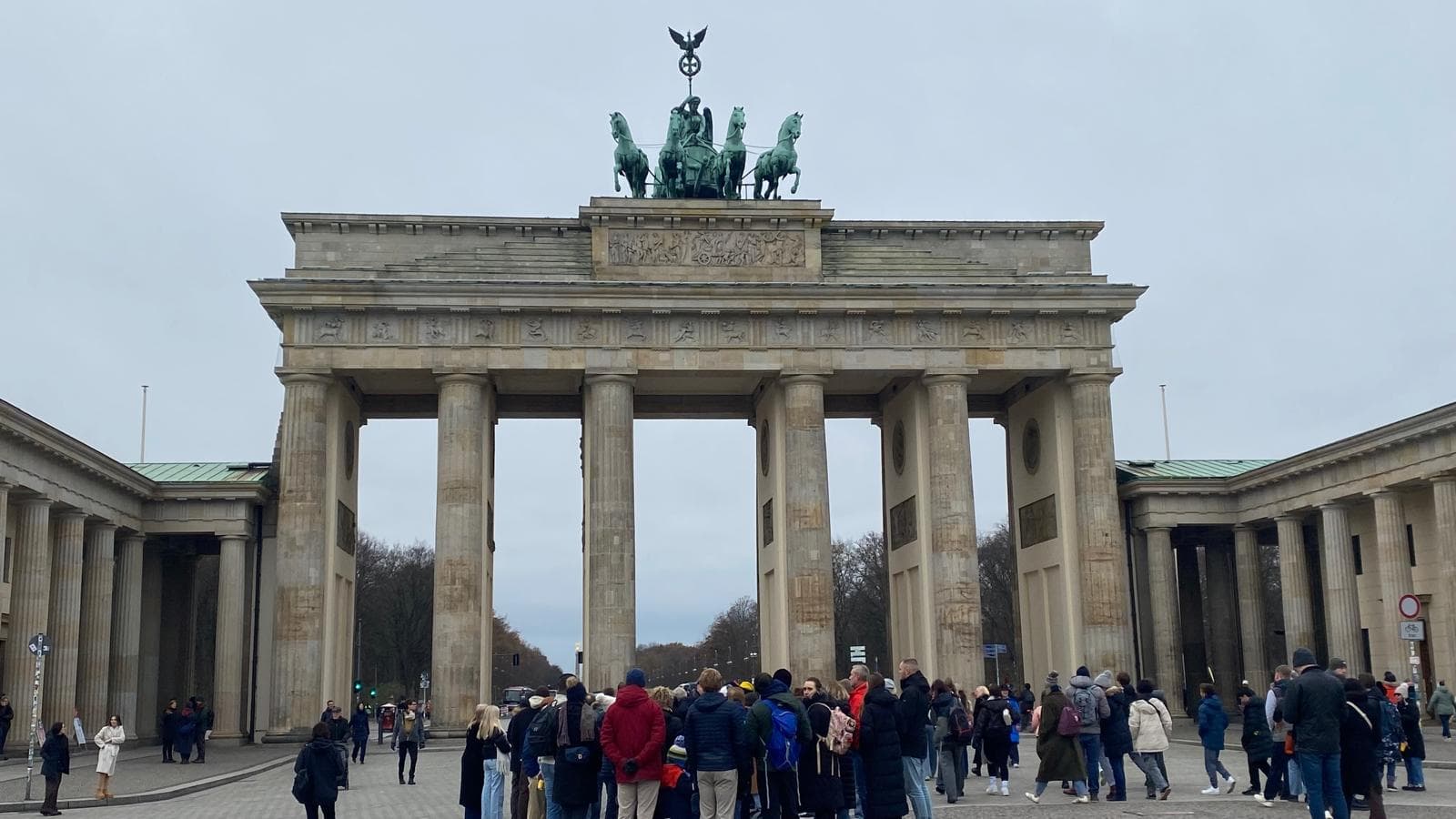
I've sent clients to Germany countless times, recommending the classic Rhine cruises and Munich beer halls. But Berlin? It had always felt like a gap in my expertise. So last December, my partner and I booked flights to experience Berlin's Christmas markets ourselves. What I found changed everything I thought I knew about this city.
Here's the thing about Berlin: it's surprisingly hard to reach. Despite the relatively new Brandenburg Airport, direct flights from North America are scarce. And unlike its German counterparts, Berlin isn't part of the typical river cruise circuit. I'll admit, I initially saw this as a drawback. But standing in a Christmas market surrounded almost entirely by locals, I realized it was actually a gift.
A City That Defies Expectations
Berlin is massive. I mean truly enormous. Walking a single city block felt like traversing a small neighborhood back home. The city sprawls across what was once mostly fields, and that scale gives it a completely different energy than the compact European capitals most travelers picture.
We climbed the Fernsehturm (the TV Tower) for a bird's eye view, and something remarkable happened. From up there, I could still see the division between East and West Berlin, even though the wall has been down for decades. The stark communist architecture of the east contrasted sharply with the traditional timber style homes in the west. Our guide mentioned that Berliners are still figuring out their common culture, pointing to the city council's constant gridlock over conflicting beliefs and values. It made the city feel alive with ongoing transformation.
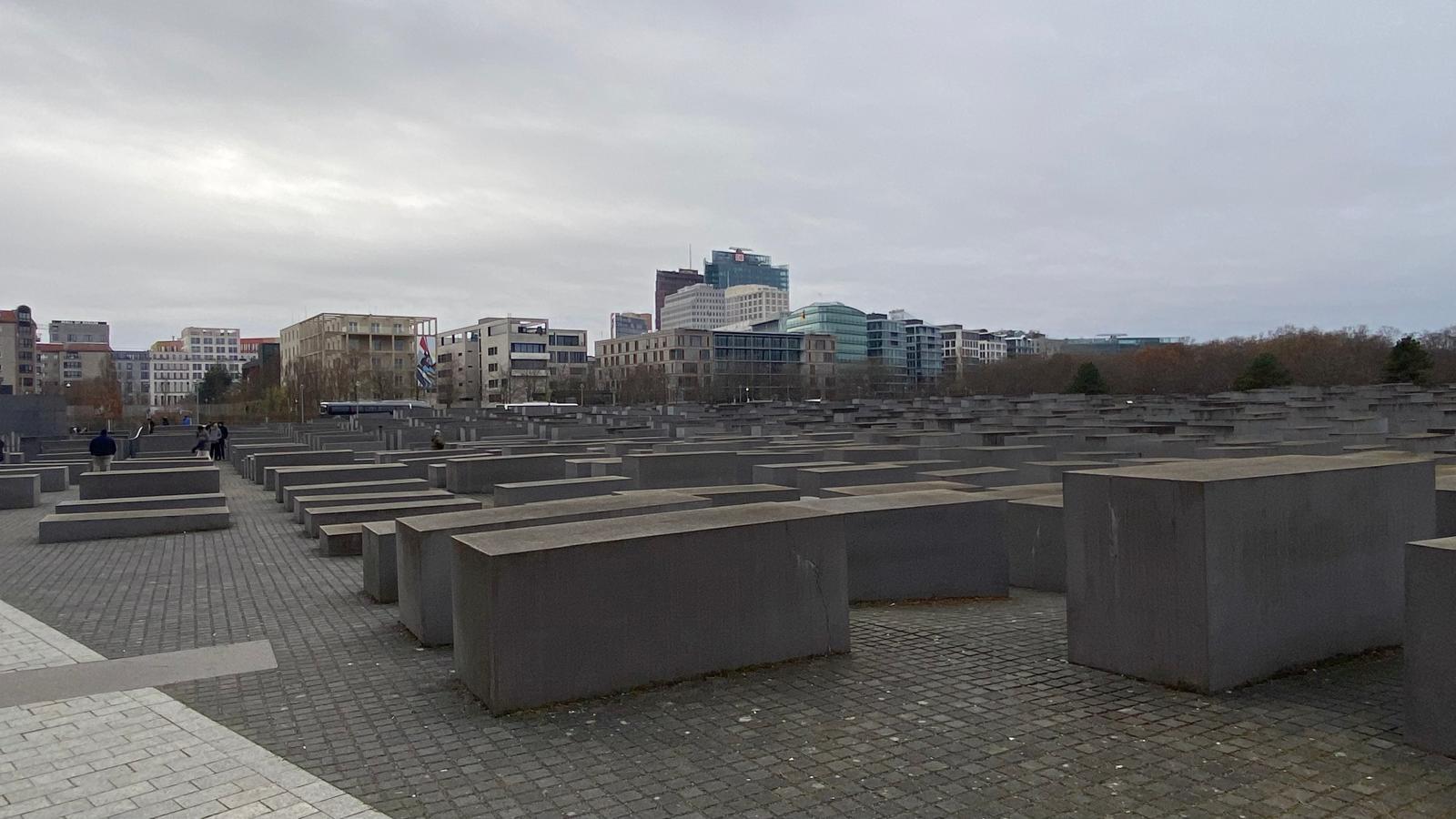
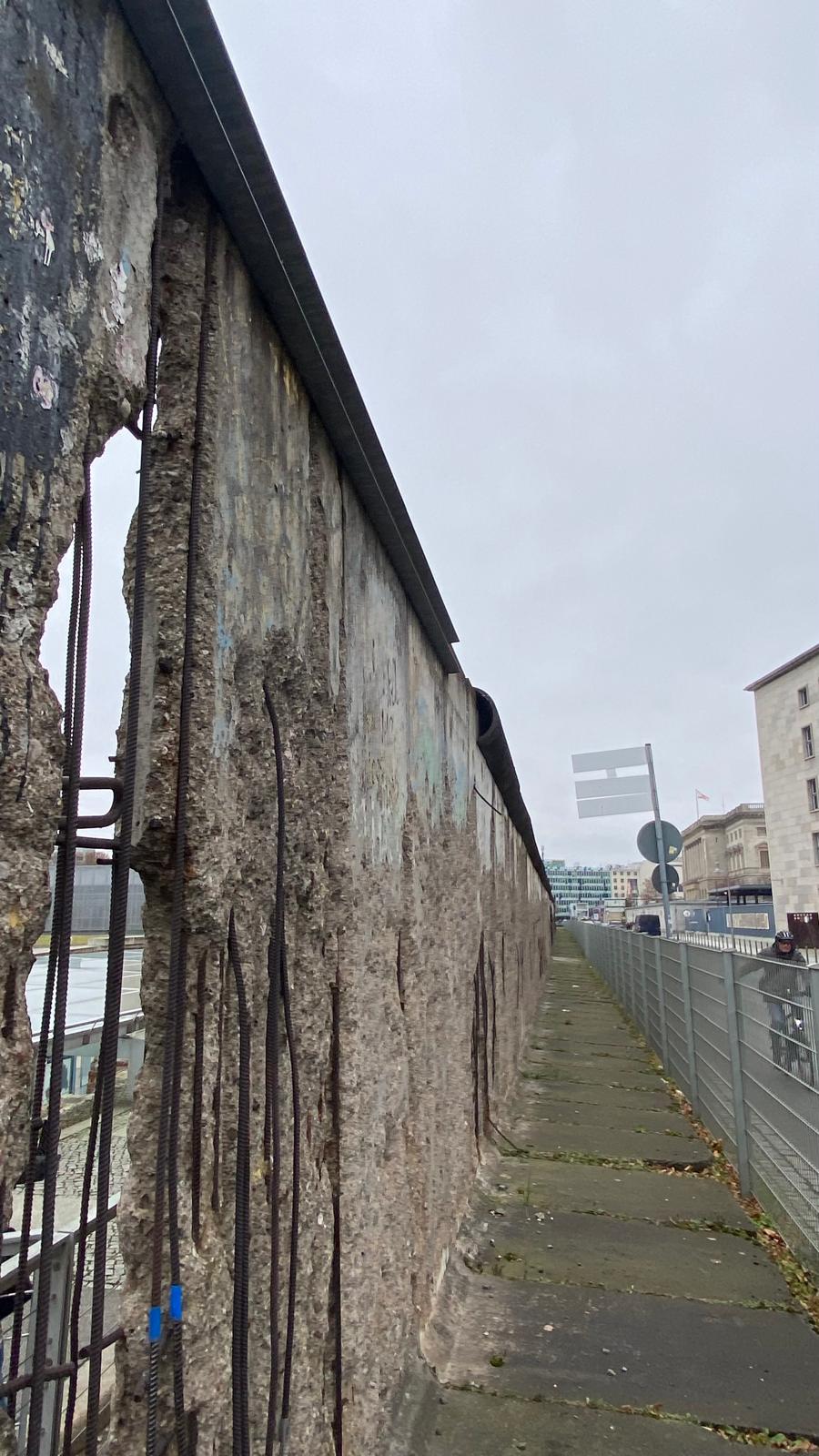
The Holocaust Memorial was profoundly moving in a way I hadn't anticipated. What struck me most was the balance Berliners have struck: honoring victims and liberators while minimizing symbols of hate. This intentionality carried throughout the city. And at the Berlin Wall Memorial on Bernauer Straße, I was surprised by how little of the wall actually remains. It's a must-visit, but go knowing it's more about contemplation than spectacle.
The Moment I'll Never Forget
My favorite memory happened in the most unplanned way. We were standing at a makeshift bar inside one of the food tents at a Christmas market. A group of twentysomethings nearby had ordered yet another bottle of Prosecco, and with limited space, they covertly placed it on our table. We gestured that it was fine. They offered us a glass. I asked what they were celebrating. The young man filling my glass looked at me and said simply, "It's Friday." That spontaneous moment of connection, that joy in the ordinary, captured something essential about Berlin's spirit.
My husband, a devoted Munich beer fan, was genuinely surprised by how exceptional Berlin's beer was, and how fiercely proud locals were of it. It was a reminder that every region in Germany has its own story to tell.
Who Berlin Is Really For
Let me be direct: if you don't love history, skip Berlin. This city rewards curious minds who want to understand how events from Roman times through the Cold War shaped modern Europe. Did you know Julius Caesar ruled over Germania (a term he coined) before becoming emperor of Rome? The layers of history here go far deeper than World War II.
For history enthusiasts, for travelers who appreciate cities still in the process of defining themselves, for those who find joy in authentic local moments over tourist spectacles, Berlin is extraordinary. I now understand that "hard to get to" is often a very good sign. It means fewer crowds, more genuine interactions, and experiences you simply cannot replicate in more accessible destinations.

I cannot wait to send the right clients here. And for those looking for their next adventure with me, I'm already planning an Italy Food and Wine group trip for June 2027, comparing Tuscany and Emilia-Romagna to Campania and the Amalfi Coast. Because the best trips are the ones we experience together.