David Petlin Discovers Japan's Welcoming Soul and Affordable Eats
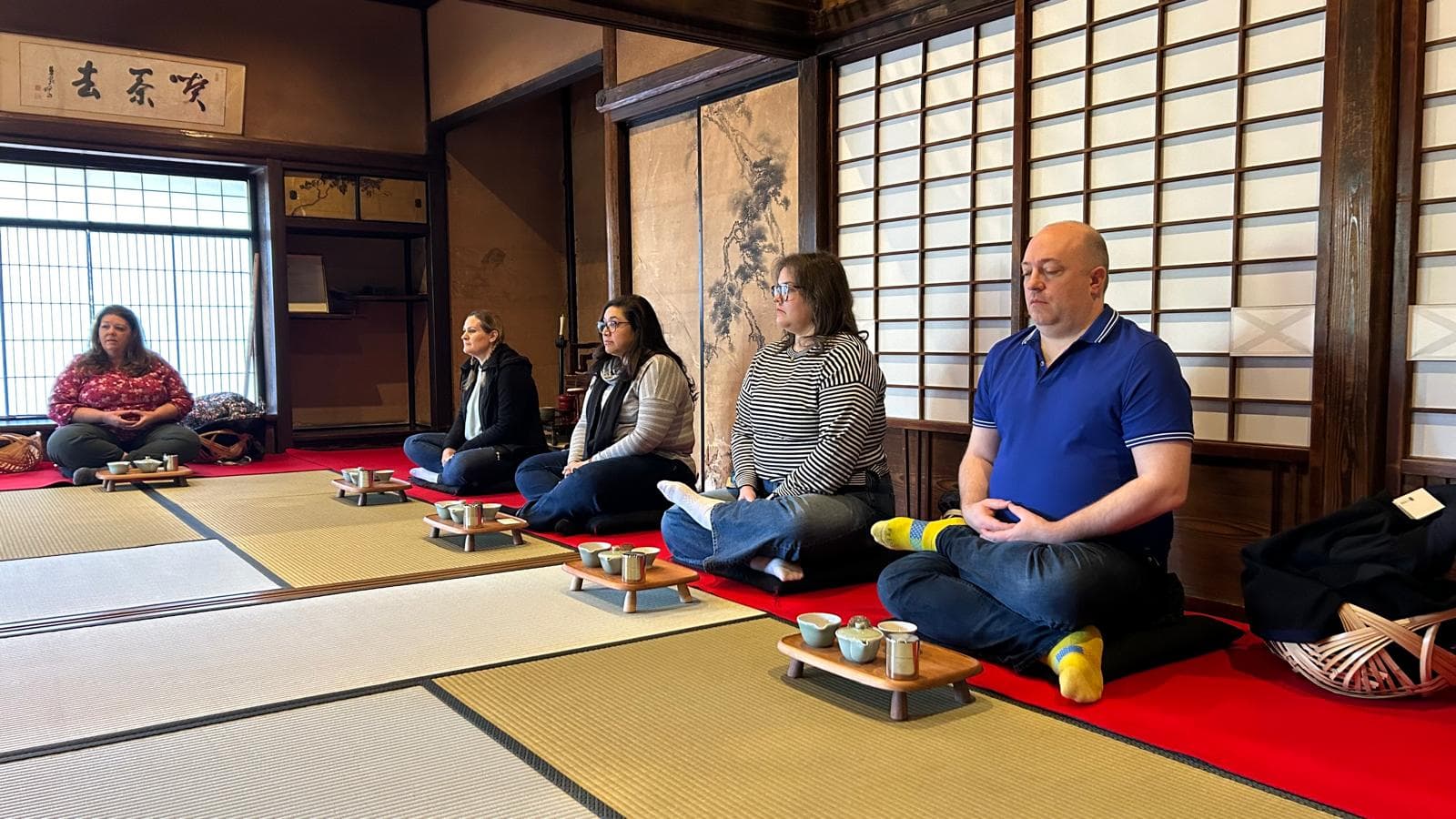
I'll be honest: before this trip, I never sold Japan. It wasn't a destination I felt comfortable recommending because I hadn't experienced it firsthand. That changed in February 2025 when I joined a fam trip with Celebrity Cruises and JTNO to see Japan by land, exploring what clients could do before or after an ocean voyage. We visited Tokyo, Yokohama, Kyoto, and Kobe, taking the bullet train between cities and touring the cruise ports where so many of my clients would board their ships.
What I discovered completely shifted my perspective on this destination. I had always assumed Japan was expensive and intimidating for American travelers. I was wrong on both counts.
Easier Than You'd Ever Expect
The biggest surprise was how accessible everything felt. Signs were in both Japanese and English. Restaurant menus, tours, transportation: we never hit a language barrier. The people were incredibly hospitable. I speak very, very little Japanese, but when I tried to introduce myself or respond in Japanese, locals genuinely lit up. They were excited that somebody from the US wanted to engage with their language and culture. And if there was ever a moment of confusion? Google Translate became the ultimate backup.
Everything was immaculately clean, which sounds simple but really stands out. The streets, the towns, the bathrooms. Here's the crazy part though: there are no trash cans anywhere. You learn quickly to pack a small trash bag in your day bag and carry your wrappers and bottles back to the hotel. It's one of my go-to tips for every client heading to Japan now.
Food Culture That Won't Break the Bank
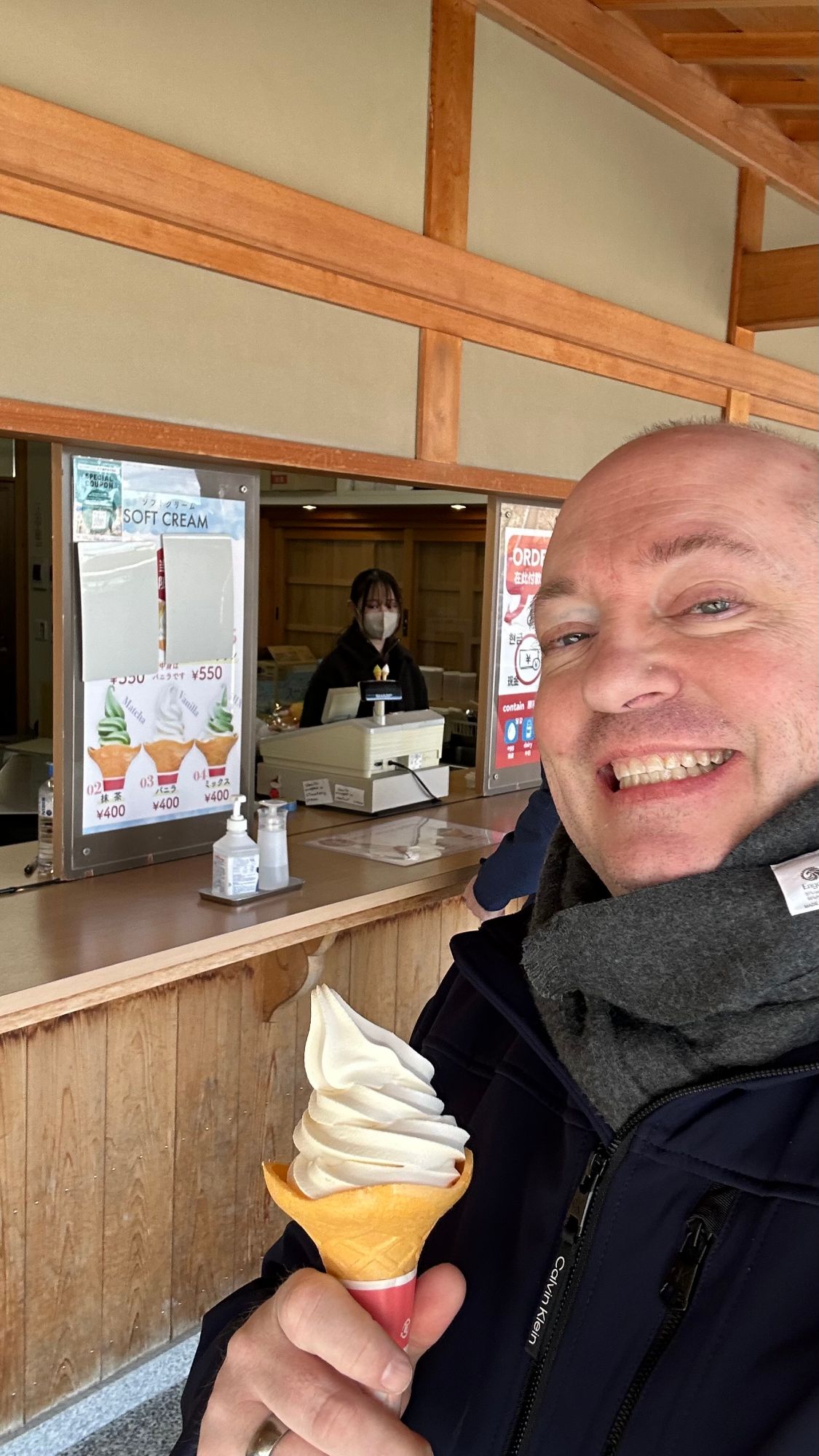
I went in expecting good food but was genuinely surprised by how affordable it was. Nishiki Market in Kyoto became a highlight. You walk through this famous food hall with maybe a hundred different vendors making fresh sushi, grilled fish, grilled steak right in front of you, and it's just a couple bucks each. Nothing like the premium prices you'd pay at a food truck park back home.
One cultural nuance that caught me off guard: you can't walk and eat. When you buy food at these market stalls, you eat it right there in front of the vendor. No strolling around with your snack like you would with a pretzel in the US. It's different, but once you understand it, you settle into the rhythm.
Experiences That Made It Special
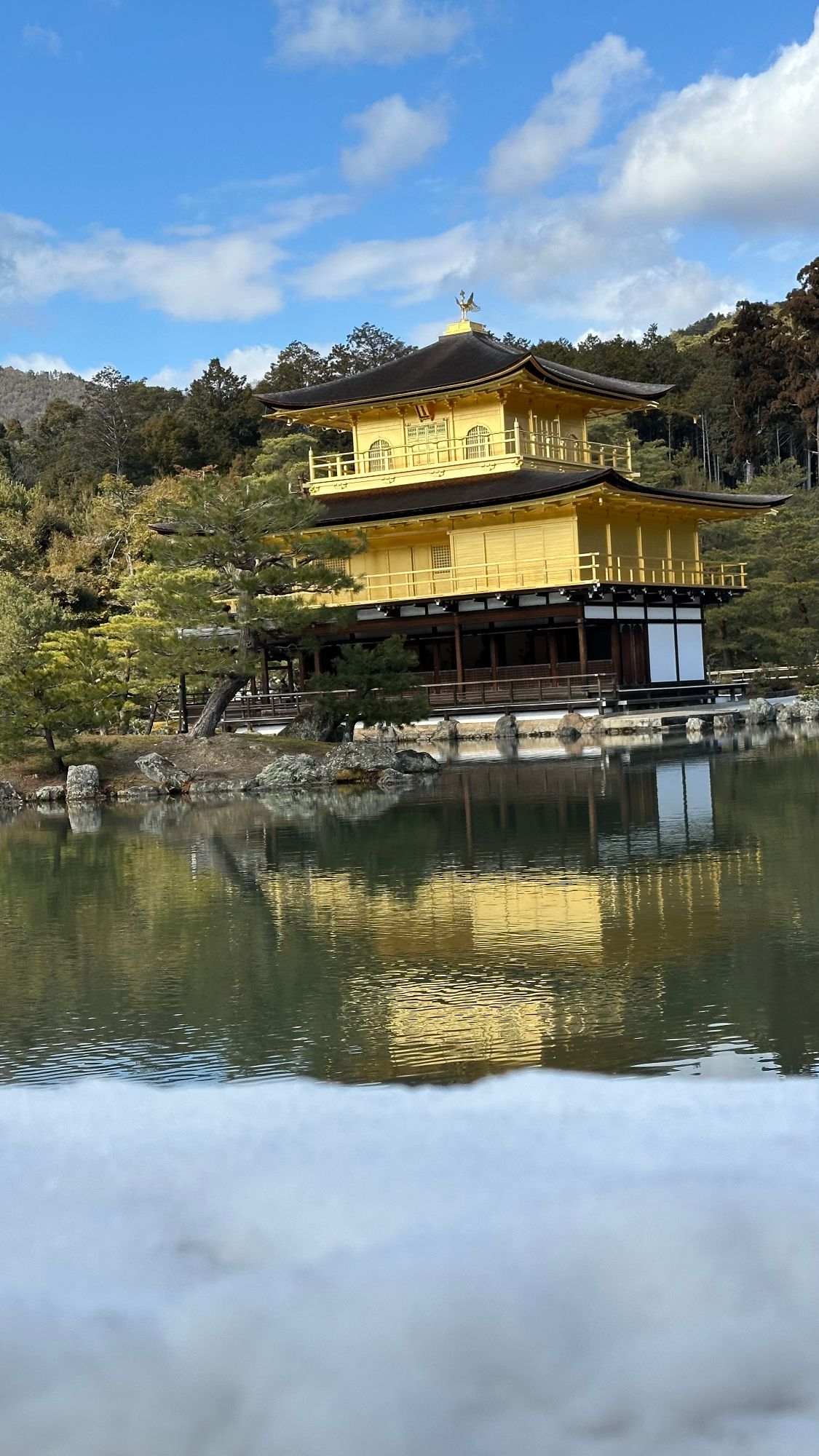
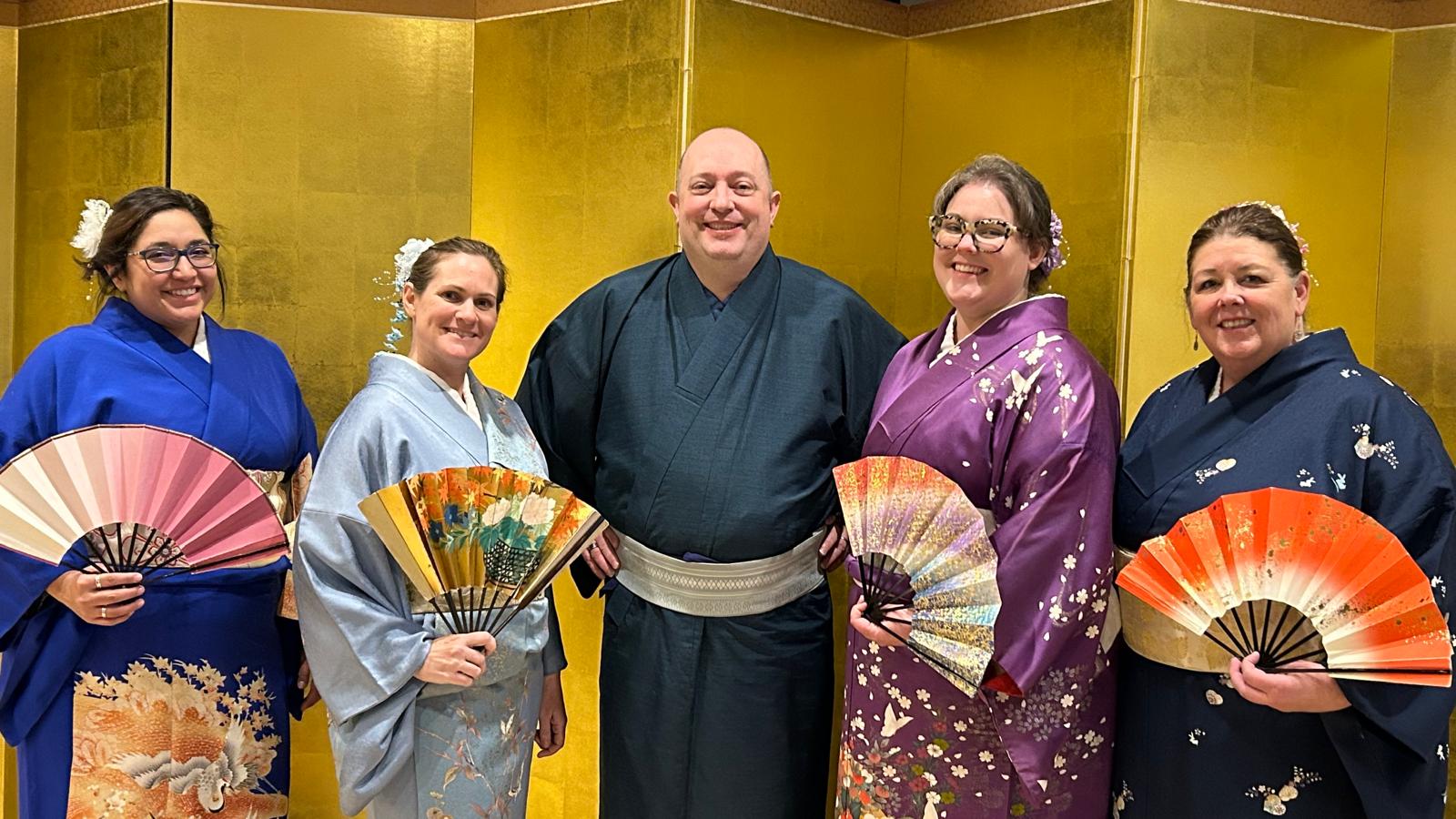
We did two things in Kyoto that I now recommend to every client. First, a kimono ceremony where everyone in our group got dressed head-to-toe in vintage kimonos. They helped us pick our style, the guys got samurai swords for photos, the ladies had parasols, and we did a photo shoot in a beautiful Japanese garden. It felt like stepping into another era.
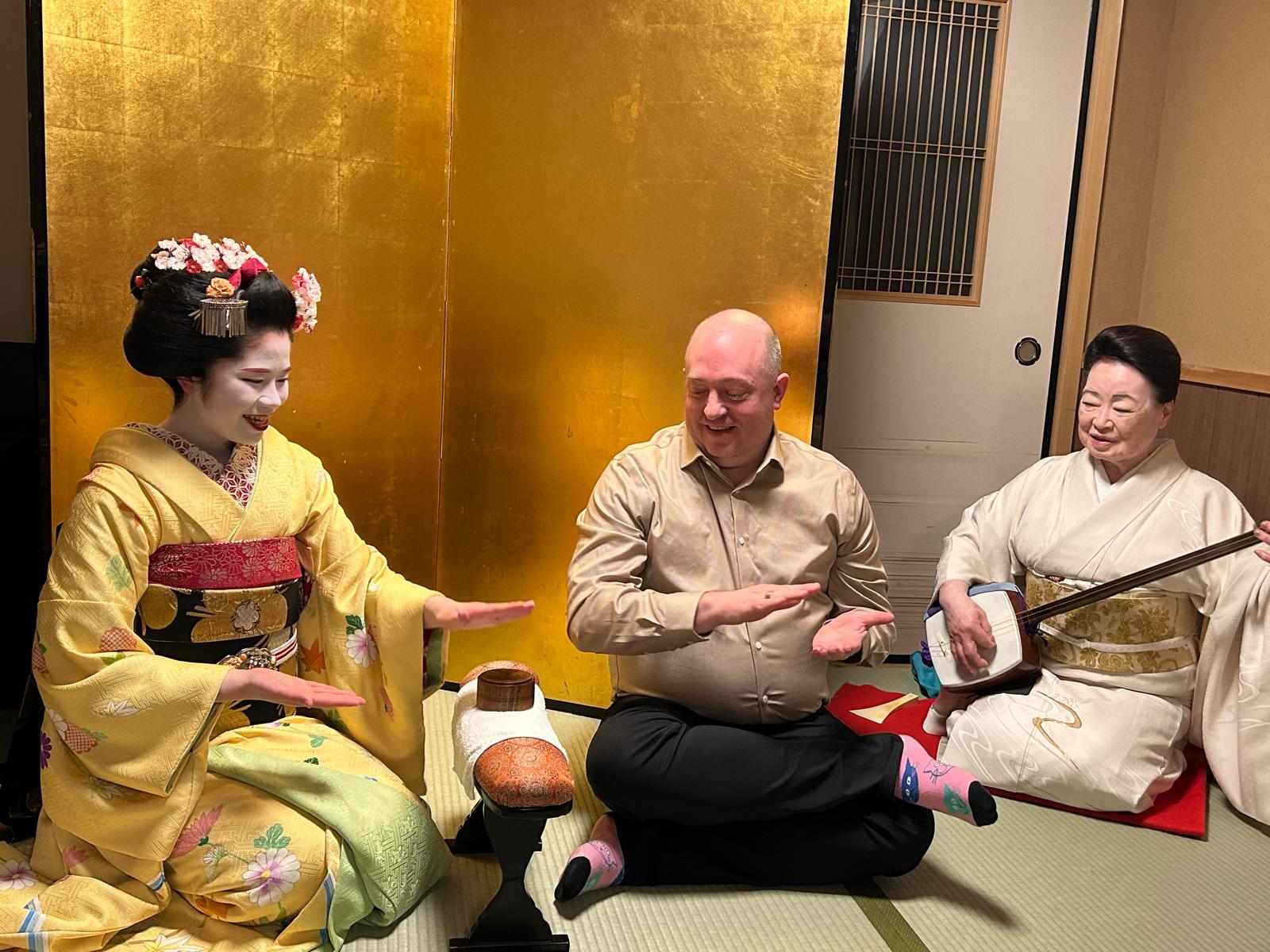
The second was a geisha experience: dinner with a maiko (a geisha in training) and an elder geisha overseeing everything. We learned about the culture, played traditional geisha games, listened to traditional instruments. This isn't something you can do on the fly. It's a fading art form with only certain destinations in Japan where you can have this experience. Our group felt genuinely privileged to be there.
One more insider tip: when you take the bullet train from Tokyo to Kyoto, book seats on the right-hand side of the train as you travel south. Mount Fuji will be right outside your window. I got amazing photos that way.
Who This Trip Is Really For
Japan is fantastic for couples or friends from their 20s to 70s who are adventurous with food and want to explore independently. If you're good at researching trains and finding those food stalls without needing a guide the whole time, you can do Japan very affordably while staying at elevated four-and-a-half to five-star hotels that are well priced.
Families with kids may find land trips more challenging because hotel rooms are small and accommodating two adults with two children often means booking multiple rooms. Those with mobility challenges might prefer just the cruise portion since there's significant walking and stairs between train stations.
But here's what I really want people to understand: if you're booking a cruise to Japan, don't skip the land portion. Spending two to five extra days in Tokyo before boarding or doing overnights in Kyoto makes the trip so much richer. Too many cruisers think ten days at sea is plenty. They're missing out on experiences that I now know how to build into their journey. That firsthand knowledge? It's changed everything about how I sell this destination.