Theresa Bobrowsky's Antarctic Journey: Where Ice Calves and Penguins Chatter
I almost missed Antarctica entirely. For years, the Drake Passage loomed in my imagination as an insurmountable obstacle, a stretch of notoriously rough water that kept me safely on land. When my husband was invited to speak aboard a Ponant expedition, I finally had no more excuses. I needed to understand this place myself, to feel what my clients would feel, to know what they would need before they ever left home.
What I discovered changed everything I thought I knew about expedition travel.
The Build-Up to the White Continent
Our journey began in Ushuaia, where we explored Tierra del Fuego National Park while waiting for the ship. There, we met a young man who had just completed a months-long journey on the Pan American Highway. These chance encounters, the collision of different adventures at the end of the world, set the tone for what was to come. Then came the Drake Passage itself. Lucky guests get what sailors call the "Drake Lake," where you might as well be in a swimming pool. Others experience the "Drake Shake," rough but survivable. Our crossing fell somewhere in between, demanding I hold onto railings and secure everything in my stateroom.
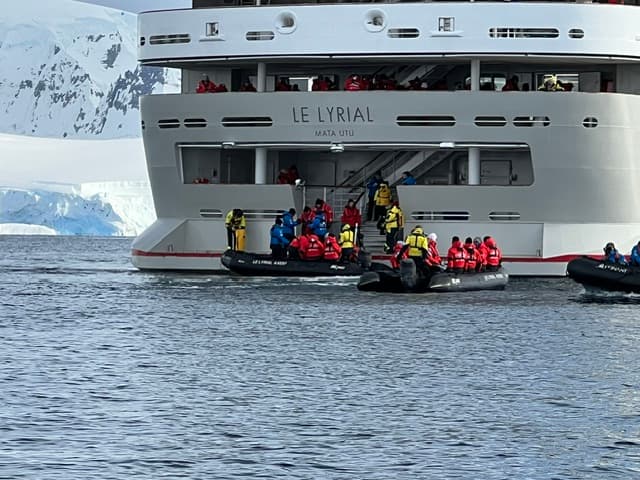
As we drew closer to the continent, the world transformed gradually. First, more consistent marine life activity. Then more birds. Finally, the ice came into sharper focus. The expedition team prepared us meticulously, explaining how to leave no trace, what we would see, how to safely board the Zodiacs. All of this built toward that first moment stepping off the ship and into the inflatable boat.
Stepping Where Explorers Once Walked
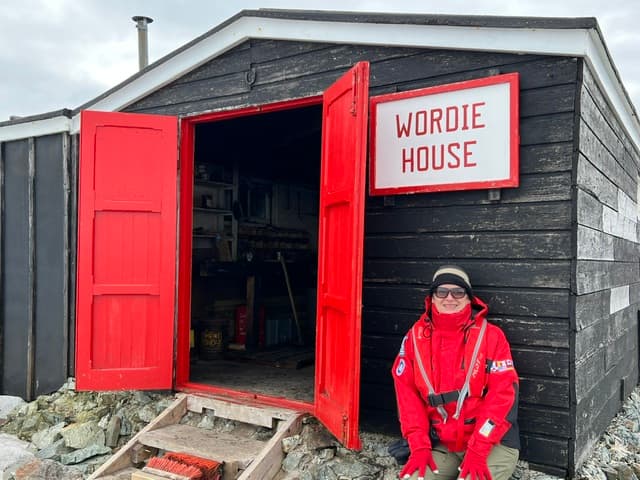
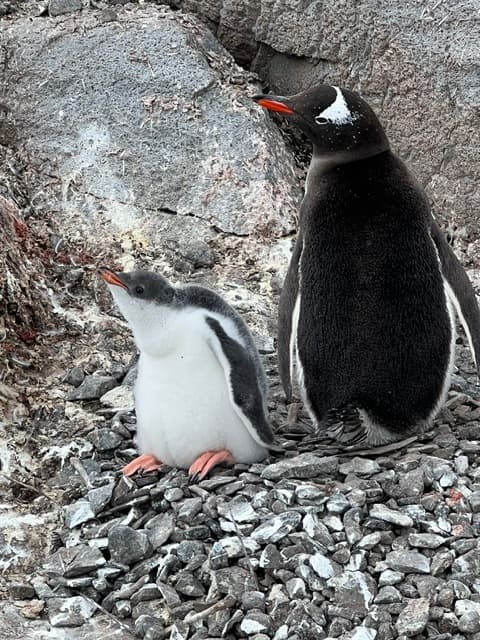
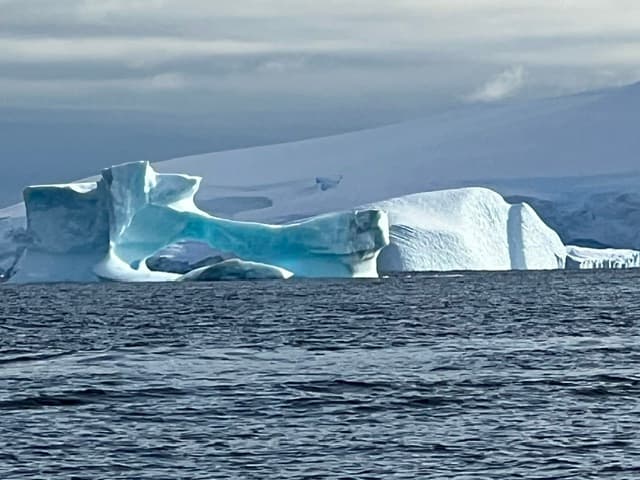
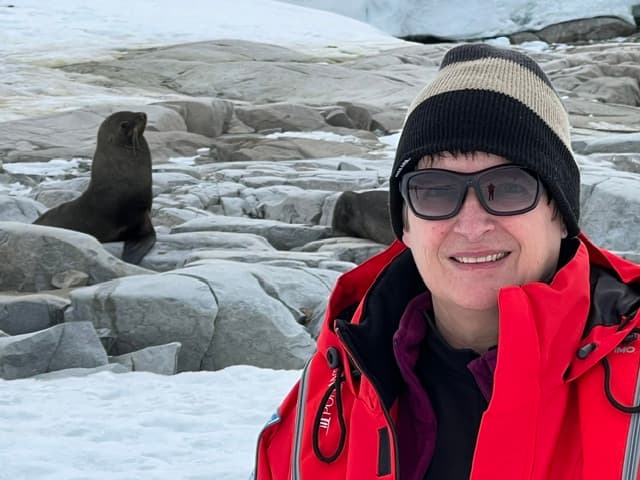
Within a few landings, something shifted inside me. You start wondering if you are walking where Shackleton himself once traversed. The sounds struck me most powerfully. You would think Antarctica would be silent, and it is in terms of urban noise. But between whales breaching and diving, penguins chattering endlessly, birds calling, seals barking, and the constant crackling and calving of massive ice, my ears encountered sounds completely foreign to anything I had experienced before.
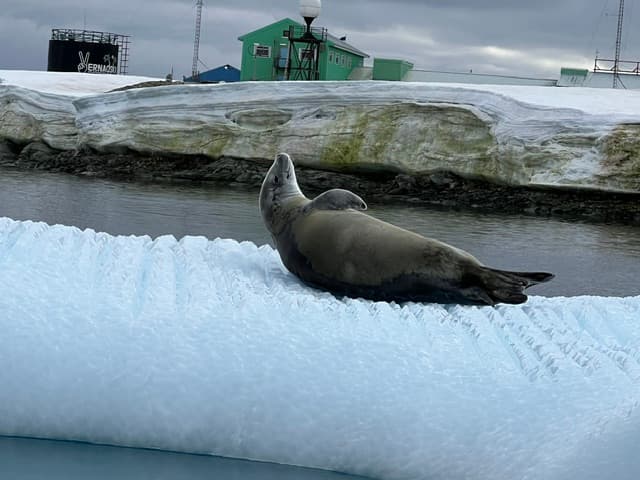
One moment I will never forget involved a small vessel that had strategically positioned itself to block our ship's pathway. The captain was wintering over and had decided to negotiate for supplies. The result? An exchange of baguettes and pastries for passage. We also made a fresh fruit and vegetable drop at Vernadsky Research Station. These interactions reminded me that even in the most remote place on Earth, human connection finds a way.
What surprised me most was the psychological impact of the black and white environment. I had never realized how important color was to my sense of well-being. While most passengers seemed unaffected, I found the monochromatic landscape slightly unnerving at times. The ship itself became my balance point, a return to warmth and color between landings. I have since met other travelers who experienced the same response.
The Lesson That Changed How I Advise
Despite all my training and my husband's previous Antarctic stories, gaps remained until I was actually there. The biggest revelation was clothing. You absolutely must have proper layers that wick moisture away from your skin. Merino wool against your body is essential, not optional. Waterproof pants are non-negotiable because many landings are wet. The cruise lines provide parkas, but what you wear underneath determines your comfort entirely.
Our expedition team achieved something remarkable. We were scheduled for twelve possible landings, contingent on weather and sea conditions. We made all twelve. This was utter perfection from the Captain and Expedition Manager, and it taught me how much the leadership matters on these voyages.
Who Should Go, and Who Should Prepare Carefully
This trip is perfect for travelers who love wildlife, consider educational enrichment essential, remain genuinely curious about the world, and can stay active without being athletes. Photographers will find endless subjects. Solo travelers are welcome, with some sailings offering reduced supplements. The ideal Antarctica traveler embraces flexibility, understanding that daily plans exist only in generalities.
Those with mobility challenges affecting Zodiac boarding, or severe motion sickness without a management plan, should consider carefully. Emergency evacuation insurance is mandatory, not optional.
I conquered my fear of the Drake Passage and found it manageable on a modern, purpose-built vessel with a skilled crew. Now when I plan Antarctic voyages for clients, I understand every detail: when to see penguins at different life stages, why the Weddell Sea matters for Emperor Penguin sightings, how to match cruise lines to traveler preferences. I know because I was there, standing where the ice calves and the penguins chatter, wondering if my footprints overlapped with history.