Autumn Fiske's First Hand Experience in North India
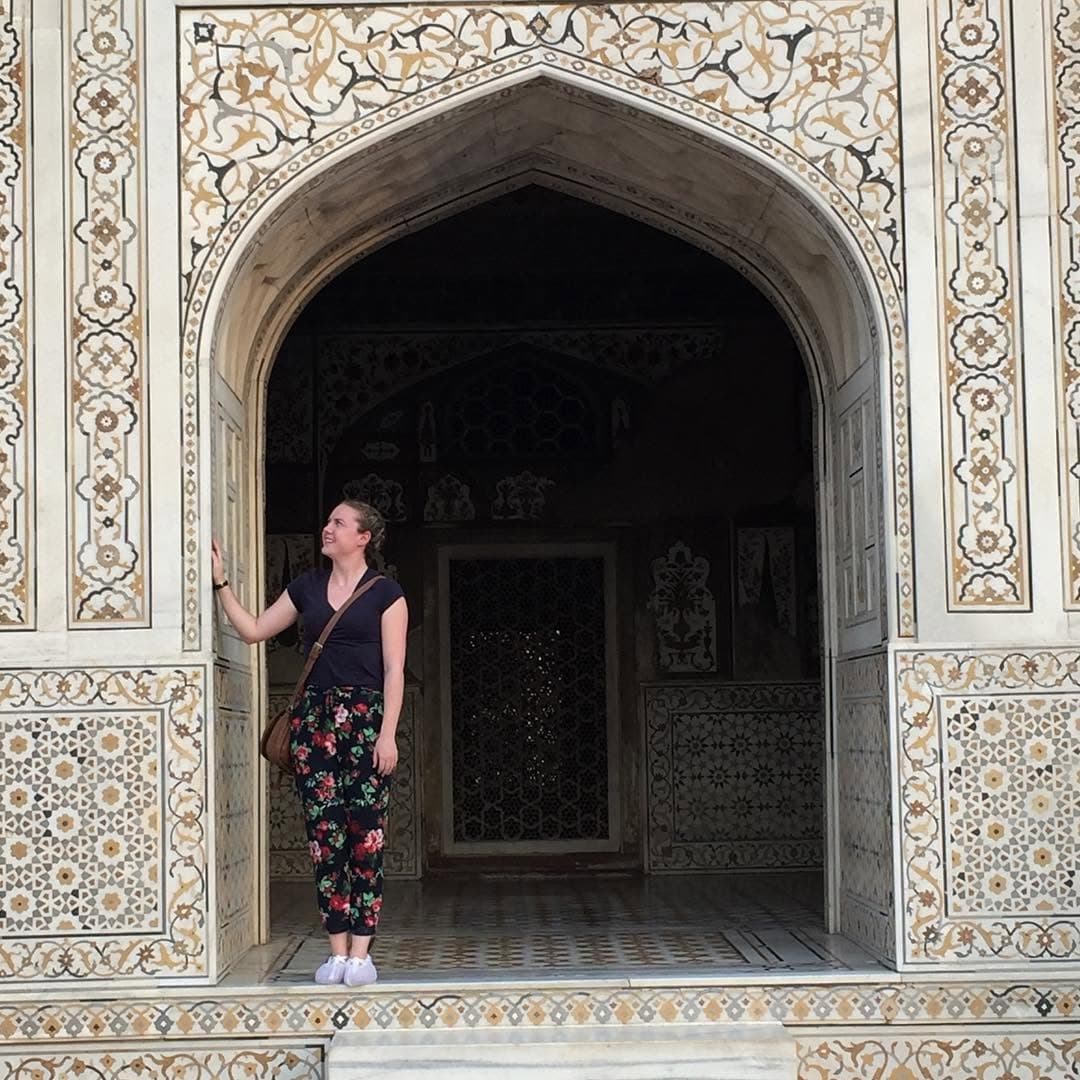
A couple of years after becoming a travel advisor, I applied for a G Adventures FAM trip to India. When I found out I would be going, I was thrilled. This wasn't just another destination to check off a list. It was an opportunity to get my feet wet in one of the world's most complex and fascinating countries. The eight day National Geographic Journeys: North India Highlights itinerary promised to immerse me in a region where centuries of religions and cultures have blended together. I needed to experience this myself to truly understand what my clients would encounter.
For centuries, northern India has been a melting pot of religions and cultures, and nowhere is this legacy more apparent than in the region's incredible architecture. But what I keep thinking about, what I tell everyone, is the bustling streets of Old Delhi. The traffic in general was a revelation. Dozens of people crammed into tuktuks, rice bags piled impossibly high on vehicles, and then all traffic stopping when a cow passes through. I was completely fascinated by the chaos, which was entirely normal for locals but a genuine surprise for us agents from Canada. I could have watched the traffic for hours. Each scene tells a different story.
One insight that stays with me is understanding that the Taj Mahal changes color as the sun rises. Getting up very early to witness this transformation is absolutely worth it. You avoid the big crowds and see something most visitors miss entirely. The soft light shifting across that iconic white marble is a moment of pure wonder that photographs simply cannot capture.
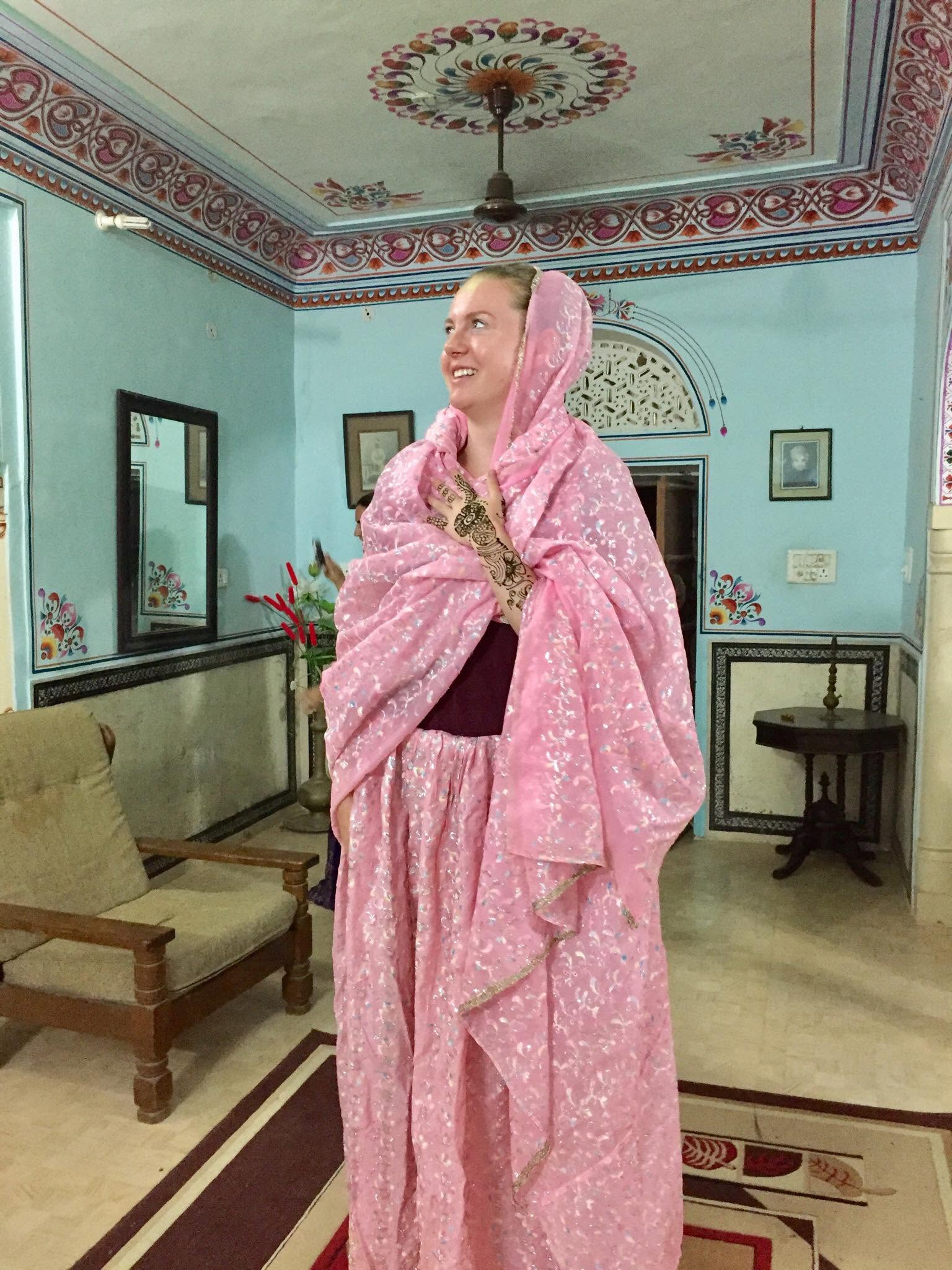
India is a country that is very different from anything you will have experienced before. Although this means it is not the easiest place to travel, this is also what makes it so special. Pollution, poverty, and the crowds can result in initial culture shock, but I've come to see these as part of an exciting new challenge. During my time there, I came to love this large and wonderfully different country. But I also learned to expect some difficulties along the way. In India, there are very different attitudes to timekeeping, public cleanliness, privacy, and service. Trains will sometimes be late, plumbing can be temperamental, and power will often just vanish. Optimistic menus turn out to have only one dish available, and everyone, just everyone, will want to know your name.
A variety of hotel styles and guesthouses are used throughout India, and these can vary in terms of service, efficiency, and cleanliness. In many instances, they might not be like what you're used to back home. Power cuts are a regular occurrence in many places, especially throughout North and Central India. Although a number of hotels have generators, there may be times when these won't work. I also recommend locking your room door, as staff will sometimes enter without reason.
India is a vibrant, deeply historic destination that rewards curious explorers, but it is also an intense, sensory heavy environment. Travelers fascinated by ancient temples, royal palaces, and world wonders like the Taj Mahal will absolutely love it. Those eager to taste authentic regional cuisines and complex curries will find paradise here. But those who have never left their home country might find the cultural shock, noise, and navigation overwhelming. If you are able to travel with a lot of patience and a healthy sense of humor, I know that you, like all of us who have been, will be captivated by what India has to offer.
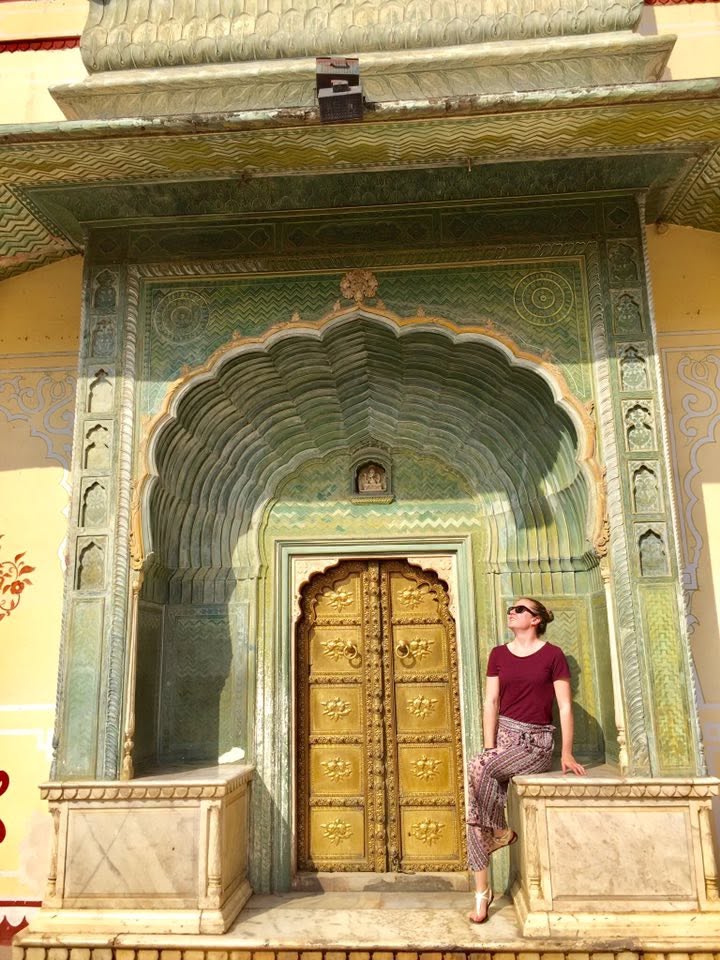
Since my return, I confidently sell and recommend India because I understand what my clients will face. In early 2026, the government of India indicated that all non-Indian nationals entering India by air, land, or sea must complete an e-Arrival Card online before arrival and register within three days. When clients book their travel to India through me, I provide all of the information and documentation needed, including the visa application and e-arrival card. My first hand experience means I can prepare travelers for embracing the difference in cultures rather than being overwhelmed by it. I'm already planning to go back to explore the south and head onward to Sri Lanka and the Maldives. India has a way of calling you back.