Amanda Klimak's Arctic Expedition: Where Walruses Steal the Show
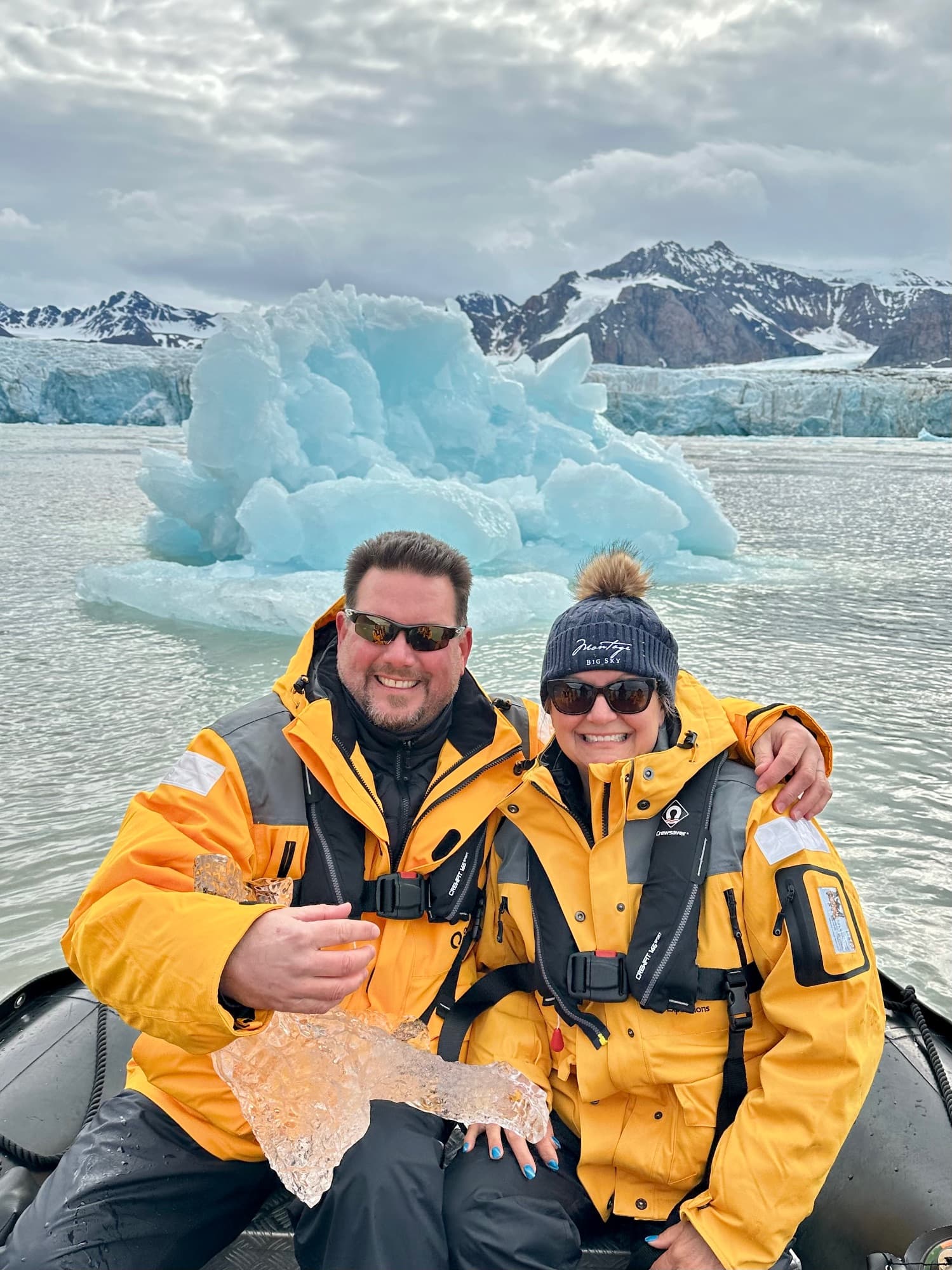
I've traveled to Antarctica, but the Arctic had always called to me for one reason: walruses. These magnificent creatures don't exist in the Southern Hemisphere, and I needed to see them in the wild. When the opportunity came to sail with Quark Expeditions during the summer months, I knew this was my chance to finally experience the far north for myself.
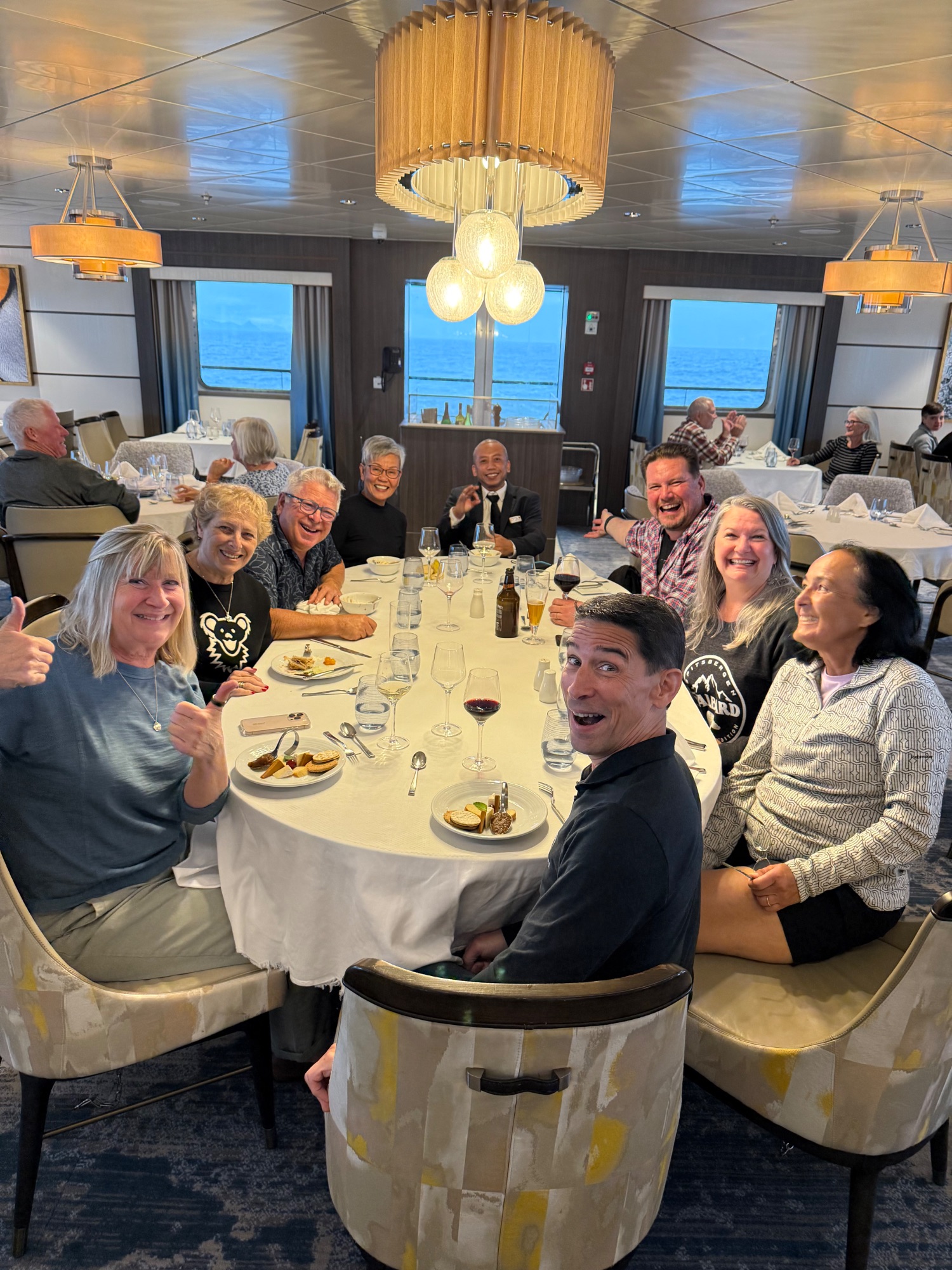
Our journey began in Helsinki, Finland, where we boarded a charter flight to Svalbard. From the moment we stepped onto the ship, I felt that familiar expedition energy. The vessel itself was beautiful with comfortable public spaces, and the naturalists on board were excellent. The food, considering we were in one of the most remote regions on Earth, was genuinely impressive.
Wildlife That Takes Your Breath Away
The walruses did not disappoint. Seeing them on the beach in their colony was everything I had hoped for, and more. These animals can weigh 1,000 to 2,000 pounds, and the sheer size of them up close is overwhelming. But here's what surprised me most: when they slip into the water and start bobbing and swimming, they become almost adorable. There's something so endearing about watching these massive creatures move through their element with such ease.
What I hadn't even considered before the trip was the possibility of seeing beluga whales. We encountered entire pods of them, these incredible creatures with their distinctive marshmallow-shaped heads, just bobbing in the water and swimming alongside us. We spotted polar bears too, though always from a respectful distance. And sailing nearly to the North Pole itself, standing before a vast sheet of ice stretching endlessly in every direction, was a moment of pure wonder that felt completely different from my Antarctic experiences.
A History I Never Knew
The wildlife was spectacular, but the history is what truly changed my perspective. I had no idea about the extent of whaling in this region, or how many whales once filled these waters before the whaling trade devastated them. Our naturalists would explain that the bays and inlets we were passing through, some of them eerily quiet, used to be filled with hundreds of whales. We visited ruins of former whaling communities that were once literal cities, places where people lived year-round in unimaginably harsh conditions. It was eye-opening and sobering to witness the human impact on this environment so directly.
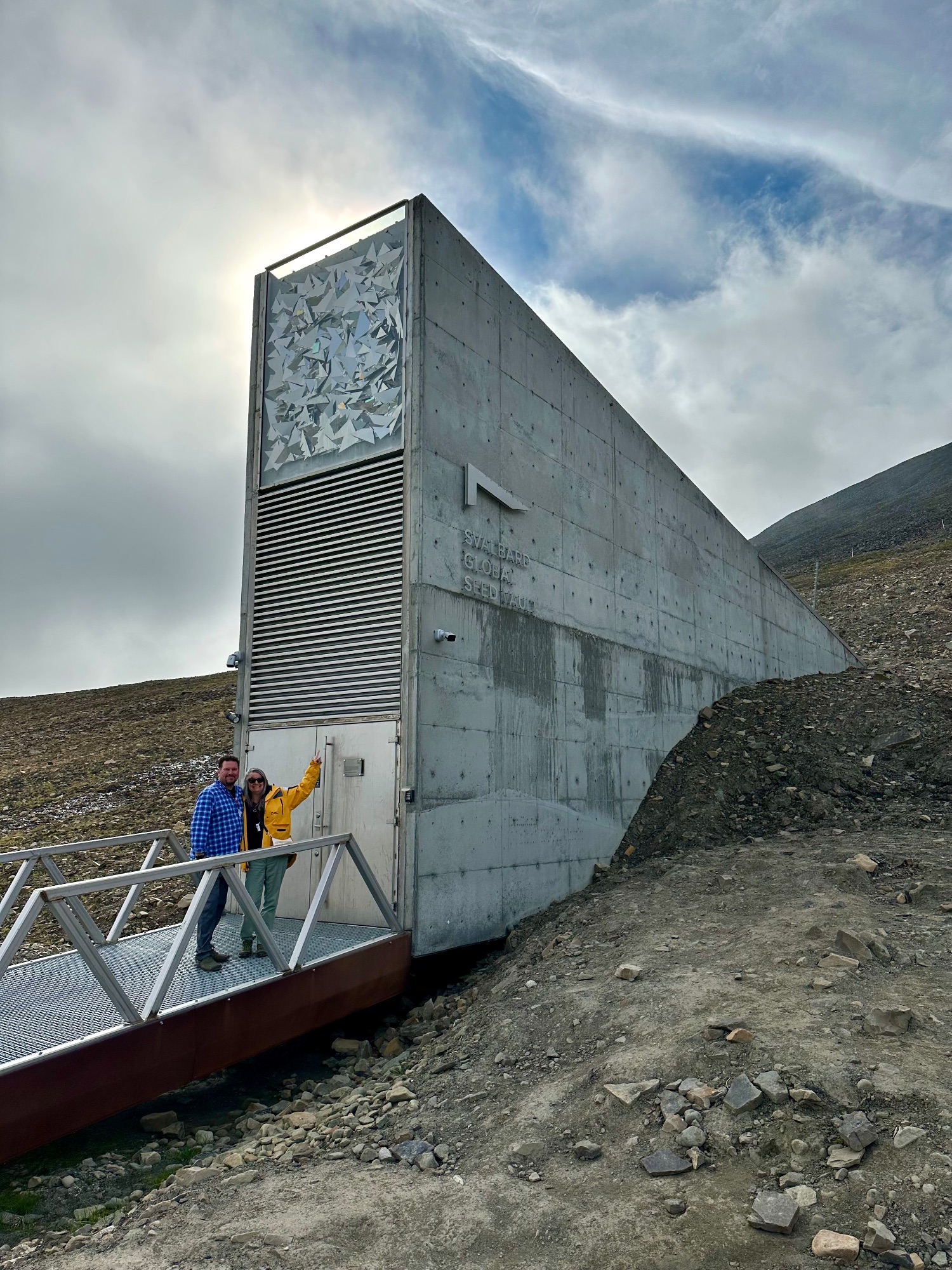
We also got to visit the Seed Vault, where the world stores seeds from across the entire planet as a safeguard for the future. Learning about the Inuit communities and seeing how people live today in Svalbard and throughout the archipelago was fascinating. One detail that really struck me: local residents must carry rifles whenever they walk around because a polar bear encounter can happen at any moment.
Who Should Experience This
This trip is perfect for curious minds. Anyone passionate about the environment, climate, wildlife, or simply wanting to understand our planet better would thrive here. You don't need to be a super athlete or extreme adventurer. Each day offered options, from short hikes to longer treks to simply staying on the beach. The key requirement is being able to climb in and out of a zodiac comfortably. For those with mobility challenges who still want to experience the Arctic, they could stay aboard and still see incredible wildlife from the ship.
Multi-generational families could make this work beautifully. A grandparent who prefers to stay on the ship can still participate meaningfully while the rest of the family explores on land. Children over eight or nine who are curious and can follow instructions would absolutely love this experience.
Having now sailed to both poles on different expedition lines, I understand the nuances that matter when matching clients to the right voyage. Layers are essential when packing. The summer sun can be surprisingly warm on land, and I found myself stripping off my parka and fleece just to hike comfortably. These are casual cruises, so leave the dinner jackets at home. And working with a supplier that handles your transportation into Svalbard makes all the difference in starting your journey smoothly.
I came for the walruses and left with so much more. This is a trip I would absolutely do again, and I cannot wait to help my clients experience it for themselves.