Aaron Devine Found Italy's True Rhythm in Central Italy
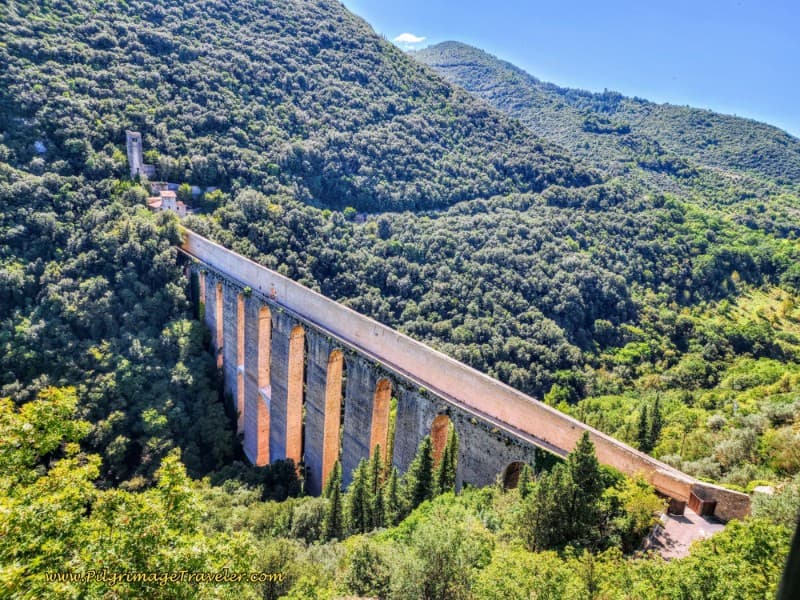
Italy had been calling to me for years. Not the postcard version, but the real thing. I needed to understand what it actually takes to navigate a multi-stop itinerary through a country where the language, the pace, and the expectations are completely different from home. As someone who advises travelers on complex journeys, I knew the only way to truly guide clients was to experience the nuances myself.
So I booked everything on my own. Flights, hotels, transfers between cities. Rome, Spoleto, Florence, Assisi. A sweep through Central Italy that would test my planning skills and reward me with something far deeper than I expected.
Standing in History
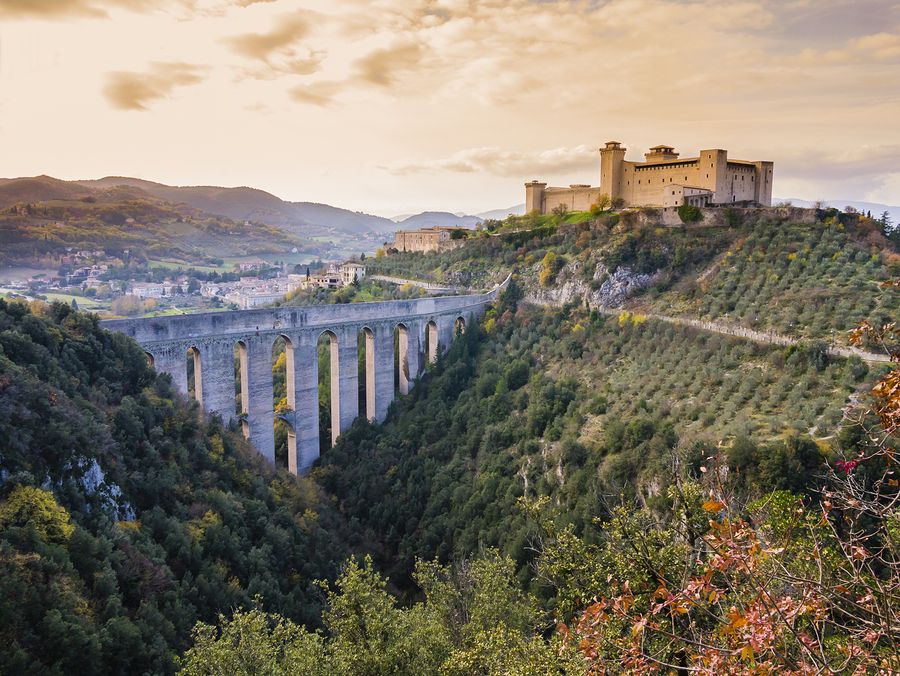
The moment that continues to stand the test of time in my memory happened in Spoleto. I found myself walking the pedestrian cobbled streets, completely free of vehicles, and it hit me: this place was built so many hundreds of years ago that it's older than the entire country of Canada. That kind of history doesn't just impress you intellectually. It humbles you. You feel the weight of centuries under your feet, and suddenly your own timeline seems wonderfully small.
What surprised me most was how wrong I'd been about Italian food. Everything I thought I knew from Italian restaurants in Canada didn't line up with the truth. The food in Italy is much more fresh and delicious. Simple ingredients prepared perfectly, without the heavy sauces or oversized portions we've come to associate with Italian cuisine in North America. It was a revelation I hadn't expected, and one I now share with every client heading that direction.
A Different Pace of Life
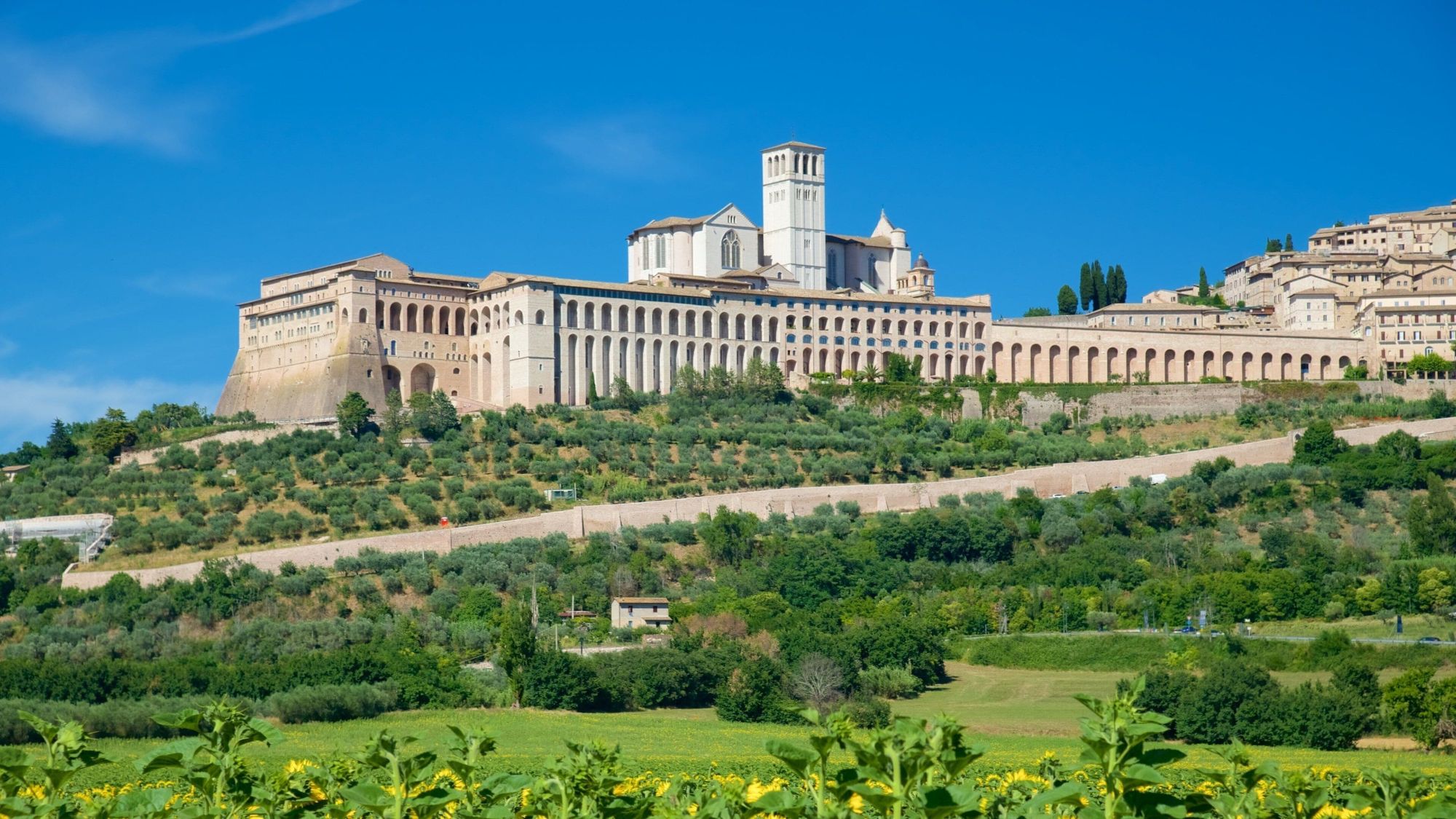
The language barrier was real, of course, but it was the pace of life that truly caught me off guard. Shops closing in the middle of the afternoon. People enjoying a work-life balance that felt almost foreign. At first, I had to resist the urge to be frustrated. Why isn't this place open? Why is everyone moving so slowly? But once I leaned into it, I understood. This isn't inefficiency. This is intentional living.
That experience changed how I advise clients. To be forewarned is to be forearmed. Knowing that things operate differently allows travelers to embrace the rhythm rather than fight against it. I can prepare clients for the charm of an afternoon riposo, help them plan their days around it, and ensure their journey feels smooth rather than jarring.
Who Should Go
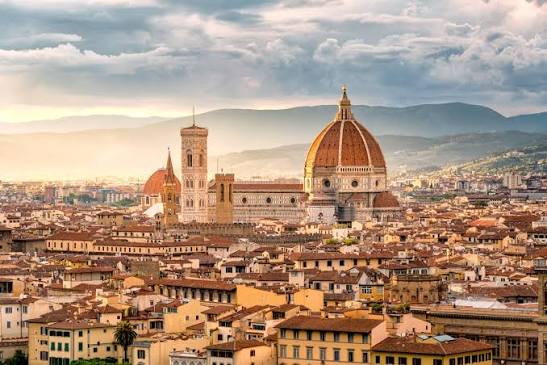
Central Italy rewards a certain kind of traveler. Individuals who are a bit more experienced in life, who are genuinely looking for culture and want to absorb a place rather than check boxes. If you're seeking tourist attractions and a quick, adventurous few days, you might be better served elsewhere. But if you want to slow down, to feel history seeping through ancient stones, to taste food at its most honest, this is your destination.
Having navigated the flights, the transfers, the language challenges, and the cultural adjustments myself, I now carry that practical knowledge into every conversation with clients. I understand what it takes to get to these dream destinations because I've done it. And there's something special about being able to tell someone not just where to go, but exactly what to expect when they get there. Central Italy isn't just a place I visited. It became part of how I think about travel itself, and I can't wait to help others discover that same feeling.